Understanding Government Shutdowns: Causes, Consequences, and Conservative Solutions
Explore the complexities behind government shutdowns, their political causes, economic impacts, and how conservative policy approaches offer a way forward.
Additional reporting by Oliver Brown, Theo Ramirez
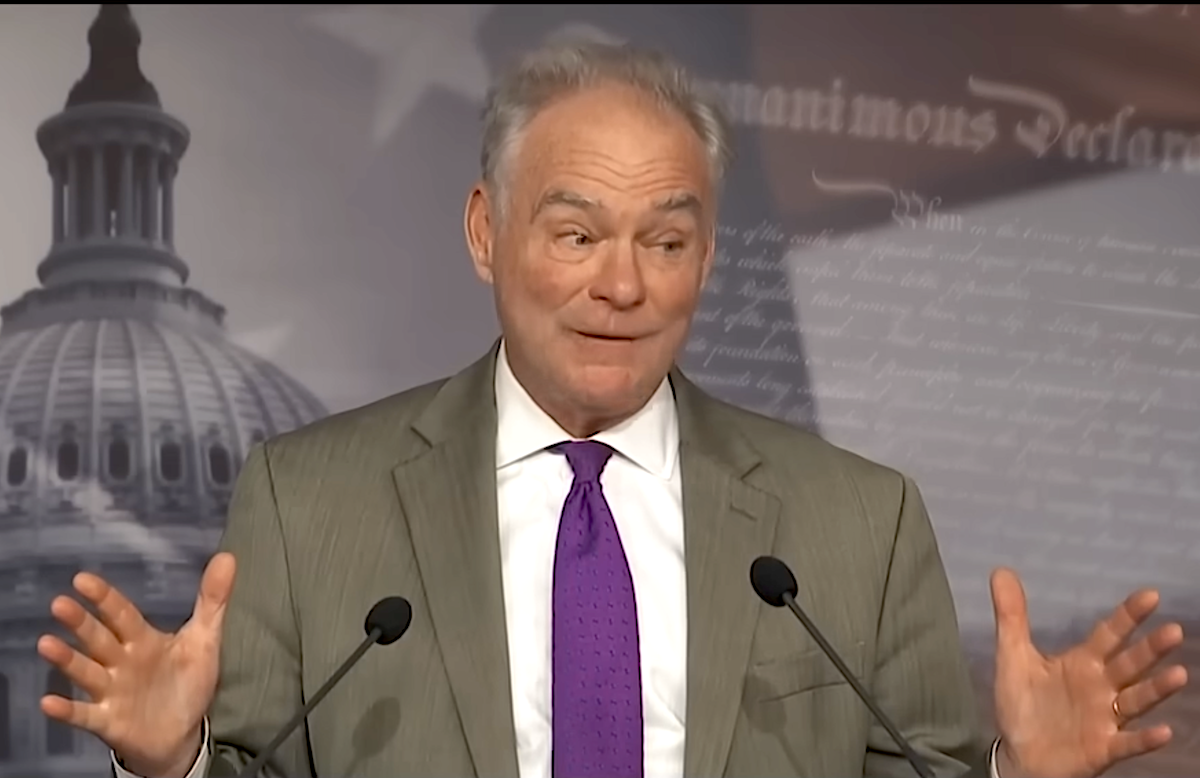
Government shutdowns have become a recurring hardship in American politics, showcasing the intense partisan gridlock that grips Capitol Hill. When Congress fails to pass appropriations bills authorizing spending for federal agencies, many government operations halt, leaving employees furloughed and citizens deprived of services. Though shutdowns are often portrayed as mere budget standoffs, they reveal deeper conflicts over federal priorities, the scope of government, and political power.
Understanding government shutdowns is essential for appreciating the consequences of legislative deadlock and the importance of negotiating fiscal responsibility. As conservatives continue advocating for a limited, efficient government, analyzing shutdowns sheds light on the challenges faced by lawmakers and taxpayers alike.
How Government Shutdowns Occur and Their Political Dynamics
"Government shutdowns expose political failure and threaten American prosperity, demanding conservative reforms for fiscal responsibility and smaller government."
A government shutdown occurs when Congress does not pass the necessary appropriations legislation to fund federal agencies beyond the start of a fiscal year. According to the Antideficiency Act, federal agencies cannot spend money without appropriations, resulting in a partial or full cessation of operations except for essential services such as national defense and emergency response. This legal framework creates a hard stop whenever budget agreements falter.
Root causes of government shutdowns often extend beyond mere failure to budget timely. They are the consequence of deep-seated political disputes over budget priorities and the role of the federal government. Conservative lawmakers routinely push for spending restraint, advocating reduced government scope and reforms aimed at curbing entitlement growth. Meanwhile, more liberal factions emphasize protecting and expanding social programs even at increased cost, breeding conflict that frequently erupts during annual appropriations negotiations.
Examining historical shutdowns reveals a pattern of escalating political brinkmanship. The 2026 shutdowns, for example, stemmed largely from disagreements over immigration enforcement funding and federal reform proposals. Senate Democrats were notably involved in blocking funding bills, as detailed when Senate Democrats blocked government funding amid healthcare debates. These disputes underscore how budget processes have become battlegrounds for broader ideological contests.
This political dynamic reflects a new norm where shutdown threats are leveraged as tools to extract concessions or stall opposing agendas. Unfortunately, this strategy often places the country’s functioning government at risk, exposing citizens and federal workers to the consequences of partisan impasse.
Economic and Social Impacts of Shutdowns on the Nation
The consequences of government shutdowns extend far beyond the halls of Congress. When government operations halt, hundreds of thousands of federal employees and contractors face furloughs without pay. This sudden financial disruption hurts families, curtails consumer spending, and sows uncertainty among millions who rely on government services or contracts for their livelihood.
Public programs suffer as well. Services critical to daily life, including processing of social security claims, tax filings, and maintenance of public lands, come to a standstill. In 2026, for instance, the Supplemental Nutrition Assistance Program (SNAP) faced cuts that affected thousands, including vulnerable noncitizens, as reported when SNAP benefits were cut amid the shutdown. The ripple effects strain state and local agencies dependent on federal support, adding fiscal pressure to regional governments.
Economic markets also react negatively to shutdown uncertainty. Businesses tied to government contracts or reliant on federal operations often face projects delayed or canceled, constraining growth and job creation. Investor confidence dips as shutdown scenarios raise questions about political stability and fiscal discipline, factors critical to attracting long-term capital investment. This added volatility can depress markets and slow economic momentum nationwide.
Although some argue shutdowns are necessary to enforce fiscal accountability and curb unchecked spending growth, the economic and social costs underscore a troubling tradeoff. Protracted impasses threaten both economic stability and public trust in government reliability.
Congressional Failures and Political Strategy Behind Shutdowns
Government shutdowns often reflect strategic calculations rather than unavoidable deadlocks. In recent years, Democratic leadership has occasionally used the threat of shutdown to push policy priorities, at the expense of timely budget approval. Senate Majority Leader Schumer, for instance, has repeatedly threatened a shutdown over legislation concerning election laws and voter eligibility, demonstrating a willingness to hold government operations hostage to advance partisan goals, as covered in Schumer threatening shutdown over voter eligibility.
Republicans have generally responded by standing firm on spending restraint, emphasizing taxpayer protection and necessary reforms. They resist funding expansions perceived as bailing out unsustainable entitlement programs or adopting costly health care measures without structural improvements, a position seen when Republicans stood firm amid Democratic demands. This persistent resistance aligns with core conservative principles of limited government and fiscal responsibility.
However, the political picture is rarely monolithic. Breakdowns within parties influence shutdown dynamics, as shown when some Senate Democrats broke ranks to reopen the government during the 2025 shutdown (Democrats breaking ranks). Such defections reveal that public pressure and internal party debates complicate shutdown negotiations beyond simple partisan standoffs.
The repeated failures of Congress to pass timely budgets reflect deeper dysfunction: an unwillingness to engage in serious, transparent negotiation over government spending priorities. Instead, shutdown brinkmanship replaces responsible governance with political theater, eroding public confidence and compromising national wellbeing.
Conservative Policy Responses and The Path Forward
Conservative policymakers propose concrete reforms to break the cycle of shutdowns by promoting greater fiscal discipline and government efficiency. One leading suggestion is adopting a balanced budget amendment or statutory limits on discretionary spending. These mechanisms aim to restrain deficit growth and compel Congress to prioritize responsible budget preparation.
Improving the appropriations process itself is also vital. Rather than relying on endless short-term continuing resolutions that create uncertainty and frequent crises, a streamlined process producing timely, clean funding bills would reduce opportunities for political brinkmanship. Conservatives stress that this reform could foster better governance and predictability.
Beyond budgeting, many conservatives advocate reducing government size by privatizing or restructuring inefficient services. Privatizing air traffic control, for example, has been championed as a solution to the system’s chronic problems and inefficiencies, a move argued for at length in privatization of air traffic control. Such reforms shrink dependency on federal funding cycles and improve service quality.
Additionally, conservatives consistently push against efforts to expand entitlement spending without reform, viewing such initiatives as drivers of long-term fiscal instability. Their opposition to extending costly health insurance subsidies without structural changes illustrates the preference for sustainable policy solutions over temporary fixes, as outlined in GOP should fix health care.
By focusing on smaller government, accountability, and fiscal responsibility, conservatives offer a credible framework to reduce shutdown frequency and restore trust in government operations.
The Broader Political Context and Implications for Democracy
Government shutdowns are symptomatic of Washington’s broader political dysfunction, signaling a crisis not just of budgeting but of democratic governance itself. When ideological rigidity triumphs over practical compromise, public services suffer and trust in institutions deteriorates.
Shutdowns weaponized for partisan gain corrode the fundamental purpose of government—to serve its citizens effectively. Members of Congress willing to prioritize partisan agendas over funding essential services provoke justified conservative backlash, as detailed in Democrats demand concessions amid shutdown.
Repeated shutdowns also amplify voter cynicism and political disengagement, damaging the democratic process by eroding faith in government responsiveness. Conservatives stress the urgent need for legislative and electoral reforms that promote accountability and discourage destructive brinkmanship.
Preventing future shutdowns will require bipartisan commitment to fiscal prudence and a shared respect for the taxpayer’s interest. Only a mutual understanding of government’s proper role, coupled with a willingness to compromise, can restore stable governance and protect the nation’s prosperity.
Conclusion: Learning from Shutdowns to Protect American Prosperity
Far from isolated budgetary mishaps, government shutdowns are tangible evidence of political failure that jeopardize national security, economic health, and public confidence. Conservatives correctly identify these events as warnings that leadership must prioritize responsible spending and limited government.
A thorough understanding of shutdown mechanics, consequences, and political strategies empowers voters and policymakers to demand better. Embracing conservative solutions—emphasizing fiscal discipline, streamlined government, and accountability—presents the most promising path to avoid cyclical shutdown crises.
As shutdown threats linger as a persistent risk, Congress must elevate governance above partisan spectacle. The American people deserve a government that consistently functions in their interest—not one repeatedly held hostage to political brinkmanship.
Frequently asked questions
What triggers a government shutdown?
A shutdown occurs when Congress fails to pass laws funding federal agencies, forcing the government to suspend non-essential operations.
Which government services stop during a shutdown?
Non-essential services typically pause, including many administrative functions, while critical services like national security continue.
How do shutdowns affect federal employees?
Many are furloughed without pay during a shutdown, affecting their financial stability until funding resumes.
Why do government shutdowns keep happening?
Partisan disagreements over spending priorities and political brinkmanship often prevent timely budget agreements.
Can shutdowns be prevented?
Yes, through disciplined budgeting, timely appropriations, and reforms promoting fiscal responsibility.
What role do conservatives play in shutdown debates?
Conservatives stress spending limits, government efficiency, and resisting expansions that drive deficits.
Timeline of our coverage
- 2026-08-08 — Senate Fails to Pass SAVE America Act, Adjourns Until September
- 2026-02-03 — Schumer Threatens Government Shutdown Over Voter Eligibility Legislation
- 2025-11-18 — It's Past Time To Privatize Disaster-Plagued Air Traffic Control
- 2025-11-11 — Senate Democrats Break Ranks to Reopen Government Amid Shutdown
- 2025-11-05 — Government Shutdown Linked to Democrats' Political Strategy Missteps
- 2025-11-05 — Democrats Advocate for Extended Health Insurance Subsidies Amid Government Shutdown
- 2025-11-05 — Government Shutdown: Republicans Stand Firm Amid Democratic Demands
- 2025-11-04 — Health Insurance Companies Spend Big On CA Redistricting Fight
- 2025-10-31 — SNAP Benefits Cut Amid Government Shutdown, Noncitizens Affected
- 2025-10-31 — Visitors to D.C. Can Explore Open Attractions Amid Government Shutdown
- 2025-10-29 — Federal Shutdown Empowers Trump to Reshape Government
- 2025-10-28 — Obamacare’s ‘Free’ Preventive Care Is A Total Failure
- 2025-10-24 — Think Tank Claims on Obamacare Subsidies Under Scrutiny
- 2025-10-16 — Dems Push For Extension Of Biden Covid Credits
- 2025-10-15 — Democrats Highlight Nonprofit's Role Amid Government Shutdown
- 2025-10-13 — Vice President Vance Critiques ABC's Stephanopoulos During Live Interview
- 2025-10-13 — Brennan Highlights Trump’s Role in Israel Peace Talks Amid Criticism of Biden
- 2025-10-10 — Democrats Are Giving Up On Democracy
- 2025-10-09 — Senate Democrats Block Government Funding Amid Controversy Over Healthcare for Illegal Immigrants
- 2025-10-09 — Current Congressional Spending Levels Reflect Bipartisan Compromise, Say Republicans
The Bottom Line
- Government shutdowns disrupt essential services and impact millions of Americans' daily lives.
- They reveal the deep partisan divisions and legislative dysfunction in Washington.
- Shutdowns carry significant economic costs, harming markets and job stability.
- Understanding shutdown causes helps voters demand fiscal responsibility from lawmakers.

Sources
- Continuing Appropriations, Agriculture, Legislative Branch, Military Construction and Veterans Affairs, and Extensions Act, 2026
- House Resolution 1438: Providing for consideration of the bill (H.R. 8800) to authorize appropriations for fiscal year 2027
- Congress.gov
- Theguardian.com: House Bill Prevents Government Shutdown
- Aljazeera.com: Us House Passes Funding Bill To Avert Government Shutdown Ahead Of Midterms (Sep 01, 2026)
- Apnews.com: A3df725f4bc4ffb39d02a234ea0e5cd3