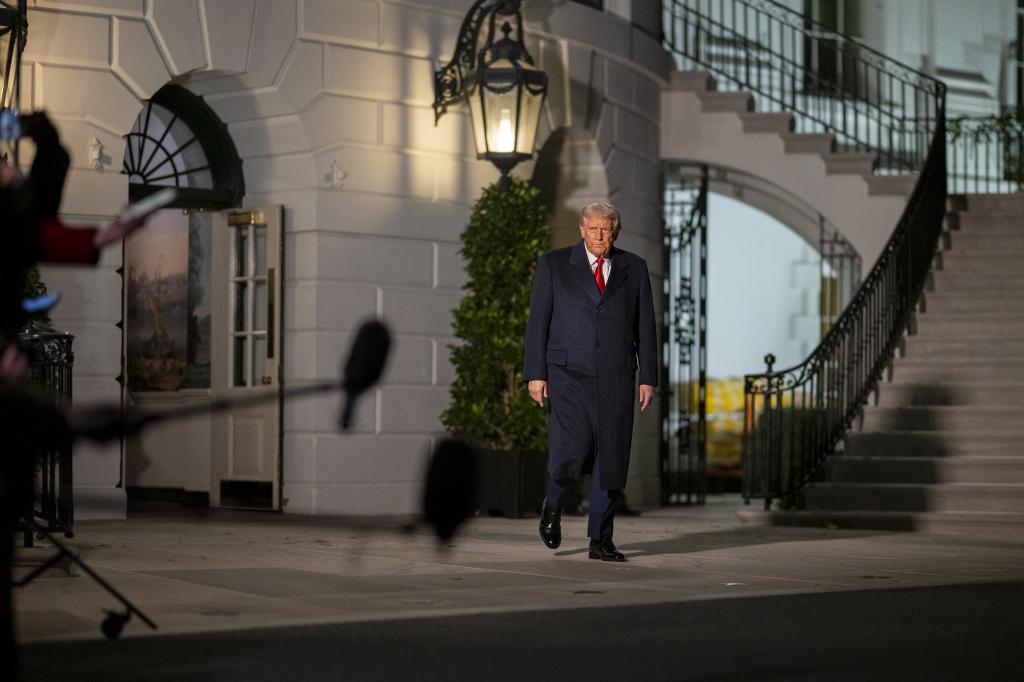
The ongoing federal government shutdown, which began on October 1, has provided President Donald Trump with an opportunity to implement significant changes to the federal workforce. As the shutdown persists, Trump is leveraging his authority to streamline government operations, focusing on reducing what he describes as wasteful spending and bureaucratic inefficiencies.
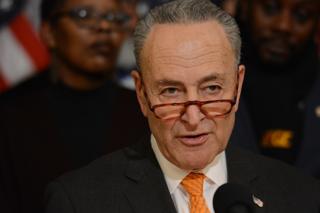
Senate Majority Leader Chuck Schumer has been vocal in his opposition to the shutdown, stating, "A shutdown gives Trump and his minions keys to the city and the country … complete freedom as to what parts of the government to fund and what parts not." Schumer's concerns appear to be materializing as Trump utilizes this situation to advance his agenda of reducing the size of the federal government.
"A shutdown gives Trump and his minions keys to the city and the country … complete freedom as to what parts of the government to fund and what parts not."
— Chuck Schumer, Senate Majority Leader
Since the start of the shutdown, Trump has initiated layoffs, including 1,300 positions at the Internal Revenue Service (IRS), an agency that has seen significant expansion under President Joe Biden. White House Office of Management and Budget Director Russell Vought confirmed these layoffs, indicating a broader strategy to cut federal jobs during the shutdown.
The federal government employs over 2.4 million workers, primarily concentrated in the Washington, D.C., area. These employees typically receive nearly double the compensation of their private-sector counterparts, contributing to a perception of a bloated bureaucracy. The cost of federal jobs to taxpayers is approximately $384 billion annually, with many of the wealthiest counties in the U.S. located in the D.C. region.
In recent years, the federal workforce has grown by more than 200,000 jobs, while public trust in the government remains near an all-time low. Trump, who campaigned as a political outsider, has made it a priority to "drain the swamp" by shifting power away from unelected bureaucrats.
Since returning to office in January, Trump has revisited strategies from his first term, including converting career bureaucrat positions into political appointee roles. This shift allows for greater accountability and flexibility within the federal workforce. Additionally, the Department of Government Efficiency (DOGE) has offered buyouts to federal employees, resulting in over 100,000 acceptances, further reducing the size of the government.
As the shutdown continues, Trump is keeping essential government functions operational while closing down less critical areas. This approach aligns with his goal of reshaping the federal government and reducing its footprint.
The current situation presents a dilemma for Democrats: either reopen the government or allow Trump to continue implementing his vision for a leaner federal workforce. With over 7 million job openings in the private sector, many displaced federal employees may find opportunities outside government, potentially strengthening the economy.
As the shutdown drags on, the political implications for Democrats could be significant. If they continue to prioritize bureaucratic interests over the needs of the American people, they risk facing voter backlash in the upcoming elections.
Liesel Crocker, a senior research fellow at the Foundation for Government Accountability, highlights the potential consequences of the shutdown, stating that Democrats may find themselves on the receiving end of voter dissatisfaction if they do not act to resolve the impasse.