The Pro-Life Movement’s Legal Landscape: Abortion Battles and State Sovereignty
Explore how the pro-life movement has shaped abortion laws, court battles, and medication abortion policies in the evolving U.S. landscape post-Roe.
Additional reporting by April Clark, Alex Monroe

The pro-life movement in the United States represents a significant and enduring force in the nation's cultural and political tapestry. Rooted in the conviction that life begins at conception and deserving of legal protection, this movement has profoundly influenced abortion legislation, judicial rulings, and policy debates for decades. While the overturning of Roe v. Wade marked a pivotal legal turning point, the struggle over abortion remains fiercely contested as states carve divergent paths, each claiming the mantle of protecting life in ways consistent with their constituents’ values.
In recent years, the fight for unborn children’s rights has escalated in legal complexity and societal impact. Post-Dobbs, the authority to regulate abortion has decentralized to the states, fostering an environment where pro-life advocates and opponents vigorously advance their agendas on multiple fronts. This dynamic process reveals much about federalism, the role of the judiciary, and the enduring ideological rifts that define America’s abortion debate.
The Legal Reordering: From Roe to State Sovereignty
"Protecting unborn life requires unwavering commitment to state sovereignty, robust legal defenses, and proactive political action."
The 2022 Supreme Court decision in Dobbs v. Jackson Women's Health Organization decisively overturned the nearly 50-year precedent of Roe v. Wade. By returning the power to regulate abortion to individual states, Dobbs catalyzed a seismic shift in the cultural and legal landscapes surrounding unborn life. Previously, Roe had mandated a federal constitutional right to abortion, limiting states' ability to impose significant restrictions. Dobbs has therefore empowered state legislatures to impose bans or protections reflecting local electorates’ beliefs, often aligning with pro-life principles in many states.
Since the ruling, approximately 14 states have enacted total abortion bans with very limited exceptions, affecting nearly 18 million women of reproductive age. These laws typically prohibit abortion except in cases such as rape, incest, or to save the mother’s life. Such restrictions underscore the pro-life movement’s success in returning legislative discretion to states, a key conservative ideal focused on state sovereignty against federal overreach.
Still, the legal landscape is anything but uniform. While many states have embraced robust pro-life legislation, others continue to uphold or even expand abortion access, generating a patchwork reality. This fragmentation presents ongoing constitutional and political challenges as federal courts and advocacy groups contest state laws. The pro-life movement navigates a complex matrix of litigation, legislation, and grassroots advocacy to ensure the preservation and expansion of life-affirming protections.
Medication Abortion: The New Frontline in Abortion Policy
A major development reshaping the abortion debate is the increasing use of medication abortion, primarily involving the drug mifepristone. As of 2023, medication abortions accounted for 64% of all clinician-provided abortions, rising from 53% in 2020. This method's convenience and accessibility have shifted strategies for both advocates and opponents of abortion rights, intensifying regulatory and legal battles over the abortion pill.
The Food and Drug Administration’s 2021 policy permitting telehealth prescriptions and mail delivery of abortion medicines transformed access, especially for women in restrictive states or rural areas. In 2023, these regulations were made permanent, further challenging state-imposed restrictions on abortion. However, federal courts have since imposed limits, blocking remote prescribing and mail delivery of mifepristone in some jurisdictions, reflecting the continuing judicial tug-of-war over abortion pill accessibility.
These developments have propelled the pro-life movement to focus sharply on regulating medication abortion, pressing for policies that scrutinize and limit its use. The resignation of FDA Commissioner Marty Makary amidst pressure concerning abortion drug oversight highlights the political intensity surrounding this issue. Pro-life advocates argue that medication abortion poses health risks and circumvents state bans, calling for stricter controls to protect women and unborn children alike.
Judicial Battles and Pro-Life Legal Strategy
The judiciary plays a decisive role in shaping abortion policy and protecting pro-life interests. The post-Dobbs era has seen an upsurge in litigation both defending state bans and challenging federal actions perceived as expanding abortion access. For instance, conservative courts have frequently issued rulings favoring pro-life positions, such as upholding donor privacy for pro-life organizations, as the Supreme Court did in a recent case safeguarding these groups’ confidentiality. This protection is crucial for grassroots mobilization and fundraising efforts in the movement’s broader campaign.
Conversely, the pro-life legal front is not without hurdles. Federal courts have intervened to restrict state-level abortion bans or limitations on medication abortion, prompting continuous appeals and legal maneuvering. Groups opposing pro-life restrictions often leverage aggressive lawfare tactics, which pro-life advocates have sought to counter in courts, including Supreme Court filings against perceived political and procedural overreach done under opposition pressure (taking its fight to SCOTUS).
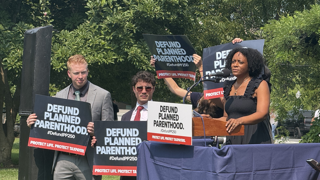
Pro-life legal efforts also face challenges concerning federal funding cases, particularly surrounding Planned Parenthood. The resumption of federal funding for Planned Parenthood triggered renewed protests from pro-life organizations, who criticize taxpayer dollars supporting abortive services. Past attempts to defund the group have been met with legal obstacles, including appellate court decisions that temporarily block defunding measures (appeals court unblocked defunding plans). This complex environment demands persistent legal strategy and political pressure to curb abortion industry influence.
Political Mobilization and Impact on Elections
The pro-life movement’s influence extends well beyond the courtroom. It remains a potent political force, particularly within conservative circles. Leading organizations plan to invest tens of millions of dollars in upcoming election cycles to support pro-life candidates and policies nationwide—a strategy aligned with broader goals to reinforce state bans and prevent federal encroachment (pro-life group spending $80M).
This mobilization reflects the movement’s belief that lasting change occurs not just through courts but through the election of officials committed to protecting unborn life. The movement has also focused on efforts to establish and expand pro-life sanctuary cities, local jurisdictions that refuse to cooperate with or enforce abortion services, thereby safeguarding lives at the municipal level (pro-life sanctuary cities). Such grassroots initiatives build momentum in communities, influencing statewide and national electoral outcomes.
However, the stakes remain high as pro-life advocates face electoral challenges. Democratic victories in key states, such as Virginia, have led to concerns about the erosion of pro-life protections for unborn children and vulnerable populations, notably adolescent girls (Dem sweep in Virginia endangers children). The movement maintains vigilance to counteract these trends and preserve family, faith, and life values.
Balancing Women's Health and Pro-Life Advocacy
Opponents of the pro-life movement criticize many abortion restrictions as threats to women’s health and autonomy. They argue that limits on abortion and medication abortion can endanger women, particularly in cases of health complications or financial hardship. Some continue to call for expanded public funding and access, as seen in certain states proposing taxpayer-supported abortion up to birth (Pennsylvania bills on abortion funding).
Pro-life advocates respond by emphasizing alternatives to abortion, such as enhanced support for mothers, adoption services, and healthcare improvements that address women's well-being without ending unborn lives. Moreover, they raise concerns about the safety and ethics of medication abortion, highlighting reports of harm and abuse linked to lack of medical oversight (inaction on abortion pill risk).
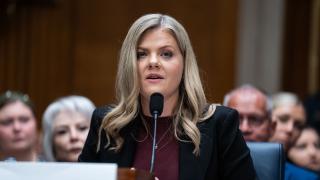
In a notable development, conservative appointees to the FDA have pledged greater transparency and scientific rigor in examining abortion pill studies, reflecting a broader effort to safeguard women’s health while promoting a pro-life agenda (Trump FDA nominee transparency pledge). This illustrates the movement’s dual focus on protecting unborn life and ensuring women receive safe, informed care with full disclosure and regulatory oversight.
The Road Ahead: Pro-Life Challenges and Prospects
The pro-life movement stands at a critical juncture, facing an evolving abortion landscape marked by shifting laws, medical technologies, and political forces. Its victories in returning regulatory power to states and advancing life-affirming policies demonstrate the potency of conservative organizing and judicial strategy. Nevertheless, constant vigilance remains essential as legal and political opposition continues to challenge pro-life advances through lawsuits, funding battles, and electoral contests.
Furthermore, the rise of medication abortion as a prominent method demands new regulatory frameworks and public awareness campaigns to counteract unrestricted access that undermines state bans. The movement’s ability to shape FDA policy, legislative agendas, and public opinion will be crucial in maintaining its gains and expanding protections.
Engagement at local, state, and federal levels will persist, as will efforts to empower families, faith-based organizations, and advocates. As judicial decisions and political tides shift, the pro-life movement’s core commitment—to defend innocent human life from conception onward—remains its unwavering guiding principle. For many conservatives, this cause intertwines with broader themes of liberty, constitutional order, and moral accountability.
Amid these enduring battles, thoughtful discourse acknowledging the complexities of women’s health and ethical concerns strengthens the movement’s credibility and resilience. While opposing views emphasize choice and bodily autonomy, the pro-life message prioritizes the sanctity of all human life and the protection of vulnerable lives through policy and culture. This balance shapes how conservatives continue to engage an issue that remains deeply personal and nationally consequential.
Frequently asked questions
What was the significance of the Dobbs decision for the pro-life movement?
The Dobbs ruling overturned Roe v. Wade and returned abortion regulation authority to the states, allowing pro-life advocates to push state-level abortion bans and protections.
How has medication abortion changed the abortion landscape?
Medication abortion, mainly involving mifepristone, now accounts for the majority of abortions, which has shifted legal battles toward regulating abortion pills and telehealth access.
What are pro-life sanctuary cities?
They are municipalities that refuse to cooperate with abortion providers or officials facilitating abortion, thereby providing local protections against abortion in communities.
How do federal courts influence abortion laws in the post-Dobbs era?
Federal courts often hear challenges to state abortion laws and FDA policies, sometimes blocking or allowing restrictions, making judicial decisions a critical battleground for abortion rights and restrictions.
What role does political funding play in advancing pro-life goals?
Pro-life groups invest heavily in elections to support candidates who back restrictive abortion laws, aiming to influence policy-making and maintain legislative pro-life momentum.
Why is donor privacy important to pro-life organizations?
Protecting donor privacy shields supporters from harassment and intimidation, enabling pro-life groups to fundraise and operate effectively without fear of retaliatory actions.
Timeline of our coverage
- 2026-09-25 — Trump FDA Nominee Pledges Transparency on Abortion Pill Study at Senate Hearing
- 2026-07-21 — Planned Parenthood Regains Federal Funding After Congressional Ban Expires
- 2026-07-20 — Pro-Life Groups Protest Resumed Federal Funding for Planned Parenthood
- 2026-05-13 — FDA Commissioner Marty Makary Resigns Amid Pro-Life Pressure on Abortion Drug Policies
- 2026-04-29 — Supreme Court Rules in Favor of Pro-Life Center's Donor Privacy
- 2026-04-14 — Justice Department Fires Prosecutors Linked to FACE Act Enforcement Against Pro-Life Advocates
- 2026-01-23 — Vice President Vance Reaffirms Commitment to Pro-Life Movement at March For Life
- 2025-12-23 — Young Conservatives Prioritize Affordability and Immigration at AmericaFest
- 2025-11-21 — Pro-Life Center Takes Its Fight Against Dem Lawfare To SCOTUS
- 2025-11-18 — Leading Pro-Life Group To Spend $80 Million In 2026 Midterms
- 2025-11-10 — Dem Sweep In VA Endangers Millions Of Unborn, School-Age Girls
- 2025-10-28 — Inaction On Abortion Pill Puts Women At Risk Of Harm, Abuse
- 2025-10-21 — PA Bills Could Allow Public Funding Of Abortion Up To Birth
- 2025-10-21 — Trump’s Desire For More Babies Is Good. His IVF Plan Is Not
- 2025-10-03 — Pro-Life Sanctuary Cities Are Saving Lives
- 2025-09-12 — Appeals Court Unblocks Plans To Defund Planned Parenthood
The Bottom Line
- The pro-life movement shapes legislation that affects millions of unborn children and their mothers nationwide.
- Its focus on state sovereignty reinforces constitutional limits on federal power and aligns with conservative principles.
- Abortion pill regulation exemplifies the movement’s growing influence over healthcare policy and women’s safety.
- Judicial decisions in pro-life cases set precedents shaping future legal battles over abortion access.
Sources
- U.S. Supreme Court
- Cfr.org: Three Years Overturn Roe V Wade Where Abortion Access Stands
- Axios.com: Abortion Access Telehealth Shield Laws Roe V Wade (May 14, 2024)
- Theatlantic.com: 687519
- Theatlantic.com: 687083
- Time.com: Abortion Medication Access Stakes
- Apnews.com: F4e0d8ef8187fdd1e8db54dd464011b9
- Guttmacher.org: Medication Abortion Accounted 64 All Clinician Provided Us Abortions 2023 Increase 53 2020
- Guttmacher.org: State Policy Trends 2023 First Full Year Roe Fell Tumultuous Year Abortion And Other