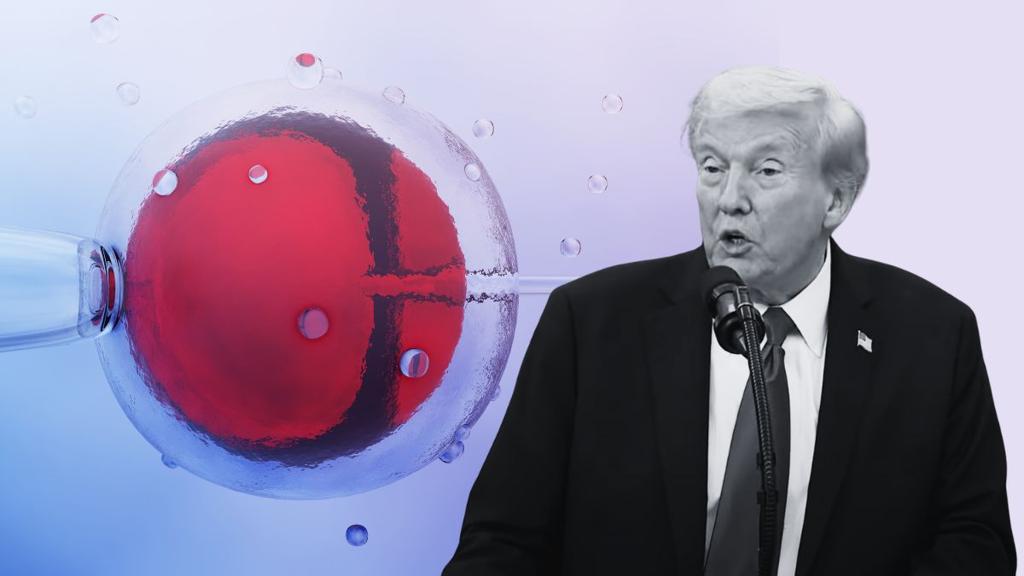
President Donald Trump and his administration are advocating for an increase in the U.S. birth rate, recently announcing new guidance aimed at expanding access to in vitro fertilization (IVF). Trump stated, "We want to make it easier for all couples to have babies, raise children, and start the families they’ve always dreamed about." However, critics argue that the administration's approach to achieving this goal is fundamentally flawed.
The White House's plan includes measures to lower the costs of IVF and other assisted reproductive technologies, as well as introducing a new employer fertility insurance benefit. While the intention behind these initiatives may be to support family growth, some experts contend that they come at a significant ethical cost.
"You can’t get more pro-life than this!"
— Donald Trump, President of the United States
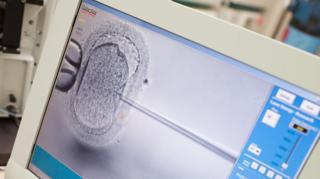
According to various sources, including the Ethics and Public Policy Center, expanding IVF could lead to the destruction of a substantial number of embryos, with estimates suggesting that 93 to 97 percent of test tube babies do not survive to birth. Critics highlight that this practice may result in more unborn lives lost than abortion itself.
The IVF industry, often referred to as "Big Fertility," is accused of prioritizing profit over ethical considerations. The industry provides access to parenthood for a wide range of individuals, regardless of their relationship status or sexual orientation, which some argue undermines the natural rights of children and leads to a commodification of human life.
While Trump's current policy is seen as a shift from his earlier proposals, which included taxpayer-funded IVF, it still raises concerns among pro-life advocates. In August 2025, the administration paused its plans to subsidize IVF, aligning more closely with pro-life principles. However, the promotion of IVF continues, leading to questions about the administration's commitment to addressing the root causes of infertility.
Ryan Anderson, a fellow at the Ethics and Public Policy Center, remarked, "Trump’s IVF Policy Could Be Worse, But It’s Still Bad," indicating that while there may be improvements, significant issues remain. Patrick Brown, another EPPC fellow, noted that the guidance still presents challenges for pro-lifers, as it may inadvertently support practices that could lead to eugenics and the instrumentalization of human life.
In response to concerns from pro-life conservatives regarding the ethical implications of IVF, Trump asserted that his plan is "very pro-life," claiming, "You can’t get more pro-life than this!" However, critics argue that the administration's focus on increasing birth rates through IVF does not adequately address the moral dilemmas associated with the procedure.
While the desire for more American babies is commendable, the approach taken by the administration raises significant ethical questions. The focus on reducing drug prices and increasing access to IVF overlooks the broader implications of endorsing unregulated reproductive technologies. Critics emphasize that the emotional and physical toll of IVF on individuals and families is often ignored in the discussion.
As the debate continues, it is clear that the U.S. faces complex challenges regarding fertility and family building. While the need for more babies is recognized, the methods proposed by the Trump administration may not align with the values held by many pro-life advocates. The conversation surrounding IVF and its implications for human life remains a contentious issue, requiring careful consideration and dialogue.