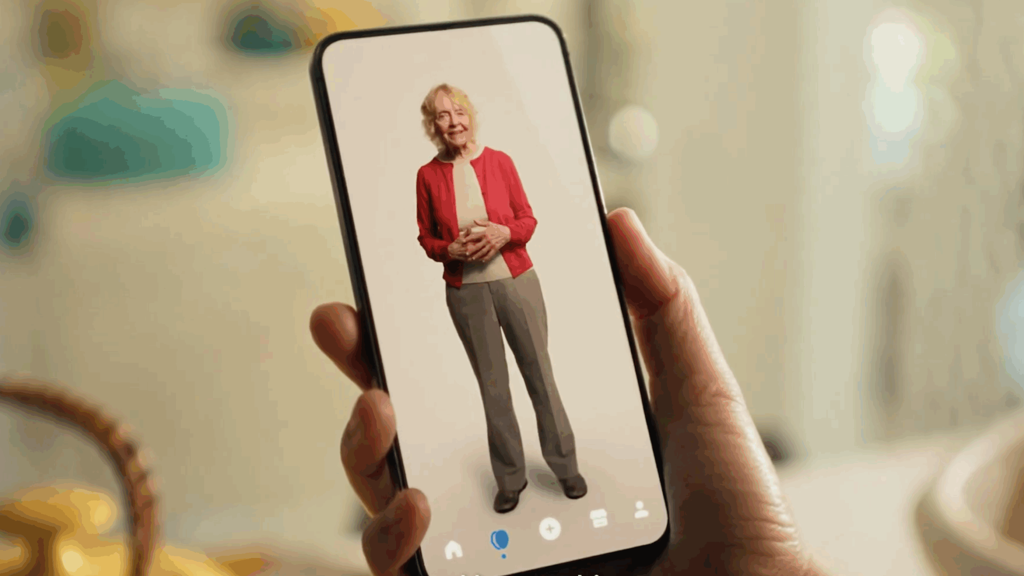
In a recent advertisement that has garnered over 40 million views on social media, former Disney star Calum Worthy promotes his company 2wai's app, which allows users to create AI avatars of deceased loved ones. The ad features a pregnant woman interacting with an AI version of her mother, raising concerns about the implications of such technology on family dynamics and the memory of the deceased.
The ad suggests that these digital avatars can participate in significant life events, prompting discussions about the ethical ramifications of using AI to replace human connections. Critics argue that the concept reduces the essence of loved ones to mere digital representations, stripping away their individuality and legacy. "The ad’s suggestion that lost loved ones can be rendered obsolete in minutes by soulless video game characters is repulsive and deeply disrespectful to the memories of the dead," said Elle Purnell, the assignment editor at The Federalist.
The technology taps into a broader trend of assisted reproductive technologies (ART), including in vitro fertilization (IVF) and surrogacy, which are often marketed as solutions for couples struggling with fertility. However, these practices have raised ethical questions regarding their impact on traditional family structures. A 2015 study indicated that the availability of IVF may lead women to delay childbirth, with more first-time mothers in the U.S. now over the age of 30 than under 25.
Despite the promise of ART, the success rates of IVF are not as high as often claimed. According to estimates, approximately 93% of embryos created through IVF do not result in live births. Critics highlight that the growing surrogacy industry also presents vulnerabilities, including potential exploitation and ethical concerns surrounding the commodification of childbirth.
The normalization of surrogacy by public figures has further complicated the conversation. Celebrities like Rebel Wilson and Kristen Wiig have brought attention to the practice, which some argue can obscure the complexities and challenges involved in surrogacy arrangements. "Even in cases where a child goes home with both of his genetic parents, he is still ripped away from his birth mother, with whom he’s bonded for nine months," Purnell noted.
The ad for 2wai raises questions about the future of familial relationships. If digital avatars become commonplace, how will families navigate their legacies? Purnell argues that the process of creating and raising children is inherently physical and emotional, emphasizing the importance of genuine human connections. "If you wouldn’t outsource your mother’s role in your child’s life, why would you intentionally outsource major elements of yours?" she asked.
As technology continues to evolve, the intersection of AI and family life presents both opportunities and challenges. The desire to overcome physical limitations through technology may lead to unintended consequences, including a diminished value placed on human life and relationships. The implications of these advancements will likely continue to spark debate among ethicists, parents, and society at large.