Political Assassination in America: Consequences and Calls for Accountability
Explore the deep implications of political assassination in the U.S., focusing on causes, consequences, and urgent calls for stronger responses.
Additional reporting by Liam Walker, Theo Ramirez
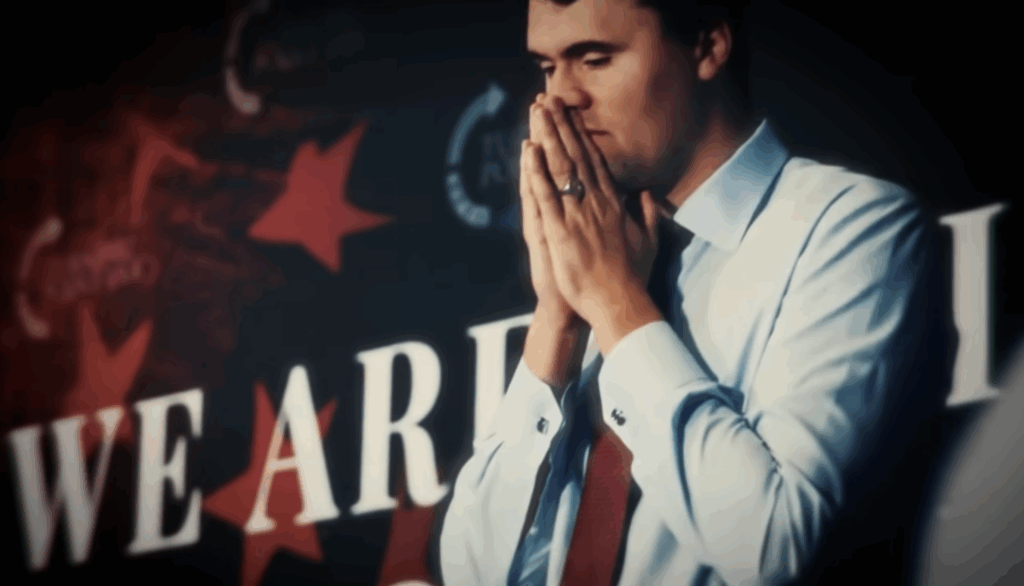
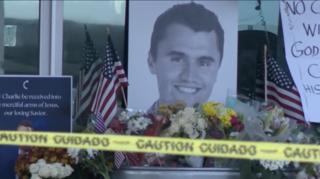
Assassination—the targeted killing of a public figure—is a dark stain on democratic societies that threatens the very foundations of political discourse and public safety. In recent times, the brutal assassination of a conservative leader has shone a stark light on the vulnerabilities and rising violence in American politics. Beyond the immediate tragedy lies a broader conversation about security, political culture, and the role of accountability in preventing such acts of politically motivated terror.
The assassination of a prominent figure during a public event highlights not only a personal loss but a profound challenge facing free societies: protecting speech and life while confronting escalating political hatred. This explainer dives deep into the anatomy of political assassination, its consequences on public life, and the urgent need for structured, principled responses grounded in law and justice.
Anatomy Of Political Assassination And Its Methods
"Political assassination is the ultimate symptom of growing ideological violence demanding accountability and decisive deterrence."
Political assassination historically involves the targeted elimination of leaders or influential figures to destabilize or influence power structures. Its methods have evolved from rudimentary weapons to sophisticated tactics. The recent shooting carried out by a sniper from a rooftop during a public speech is a grim reminder of how modern technology and planning can facilitate deadly precision attacks.
In the case at hand, the attacker wielded a high-powered rifle, attacking from a concealed, elevated position. This type of method maximizes impact but also creates challenges for preventive security measures, particularly in open public venues like university auditoriums or political rallies. The shooter surrendered quickly, enabling law enforcement to bring the perpetrator to justice—something that is vital to deterring future horrors.
Understanding these methods is key to developing security protocols tailored to public events where political figures speak, balancing protection without eroding civil liberties. The anticipation and prevention of such tactics require cooperation between organizers, law enforcement, and intelligence agencies, ensuring that events remain safe without becoming fortresses disconnected from the public.
Political Assassination’s Impact On Society And Democracy
The assassination of a political figure grips the nation not only with grief but also with anxiety over the future of civic engagement and political debate. A violent attack intended to silence dissent or manipulate political narratives strikes at the heart of democratic society. When public figures are violently removed, it sends chilling signals about the safety and freedom allowed in public discourse.
As the Utah Governor solemnly described, a "political assassination" is more than a crime against an individual; it is an affront to the democratic process itself. The ripple effects include heightened polarization, mistrust in institutions, and the potential for retaliatory violence. It can cause chilling effects where speakers and audiences alike may fear engagement, ultimately diminishing the robustness of political exchange.
The political fallout can be manipulated by opponents and partisans alike, often deepening divisions. Some factions may exploit such acts either by downplaying motivations or by trying to associate political groups wrongly, as seen in conflicting media narratives surrounding recent incidents. This necessitates a careful, fact-based approach by media and leaders alike to frame these tragedies accurately without inflaming tensions.
Security Failures And Accountability At Public Events
The case has also raised serious questions about security arrangements, as the family of the slain leader has filed a wrongful death notice against university officials. Such legal actions spotlight potential lapses in protective measures at public venues hosting high-profile figures. While logistical challenges exist in securing open events, accountability is essential to prevent negligence that could invite further tragedies.
Universities and other institutions must reconcile the need for open free speech venues with ever-increasing security demands. Adequate risk assessments, surveillance, and emergency response plans become indispensable. Lessons learned from prior incidents must inform policy changes and practices to ensure that adequate preventive systems are in place. Moreover, public transparency about security protocols strengthens trust and clarifies procedures against misinformation.
Security failures do not exist in isolation but are often symptomatic of broader systemic under-preparation in event management or law enforcement coordination. The community must demand thorough investigations and reforms so future speakers and attendees can engage safely. Multiple factions bearing political responsibility—from local officials to campus administrators—must be held to account where lapses occur without justification.
Political And Cultural Roots Of Violence
Political assassination is the extreme endpoint of a growing culture of political hatred and violence. The escalating rhetoric and normalization of violence within certain ideological factions have been documented and warned against for years. Conservative voices have repeatedly highlighted how unchecked left-wing extremism and radical ideologies can drive individuals toward violent actions, as reflected in the motivations of recent perpetrators who espoused divisive ideologies.
The media’s inconsistent coverage and portrayal of such events exacerbate tensions. For example, some major outlets have downplayed motives or misrepresented facts surrounding assassinations, contributing to public confusion and partisan distortion. Conservative analysis exposes the failure of a consistently rigorous focus on left-wing political violence that endangers opponents, an issue underreported in mainstream narratives.
Furthermore, academic and cultural institutions must be scrutinized when they appear to condone or even celebrate political violence. The role of ideologically driven environments, including certain teacher and activist groups, fostering hostility toward opposing viewpoints has prompted calls to stop sending kids to schools where teachers celebrate murder. These cultural considerations are integral to addressing the broader ecosystem in which political violence incubates.
Path Forward: Creating Consequences To Deter Political Violence
Preventing future political assassinations requires more than condemnation; it calls for concrete consequences and policy reforms aimed at accountability. Conservative advocates emphasize the need for stringent consequences for those who enable or perpetuate political violence, ranging from legal accountability to political ostracism. Legislative efforts that target funding or facilitating extremist groups are critical, as seen in growing calls for Congress to end funding enabling political violence.
Moreover, law enforcement must be empowered to act decisively before plots unfold. Intelligence gathering focused on domestic ideological violence must improve, with bipartisan support to avoid politicization. Public safety depends on staying ahead of threats rather than responding post facto. Prosecutorial zeal, as illustrated by the pursuit of the death penalty in cases of political assassination, must also reinforce deterrence.
Civil society organizations and media outlets bear responsibility to shift discourse toward accountability and truthful narratives. Leaders must reject generic condemnations that lack follow-through and instead pursue unified action that sends a clear message: political violence will meet resolute opposition. Encouraging courage and resilience among political figures and their audiences is the antidote to a culture of fear.
The recent assassination underscores the high stakes for America’s political future and demands vigilance and resolve from all corners to uphold safety, freedom, and justice.
Conservative Perspectives Versus Opposition Narratives
Conservative commentators and community leaders frame political assassination as a direct consequence of a permissive environment created by left-wing extremism and leniency. They argue that stronger cultural norms, political will, and law enforcement action have been undermined by a media and political class that often excuses or downplays leftist-related violence. This perspective insists on holding perpetrators and their ideological enablers to the highest standard of accountability.
Opposing views often frame such violence as isolated incidents or respond with broad, non-specific condemnations lacking concrete measures. The conservative critique highlights that generic denunciations, without tangible consequences, enable an escalation cycle. The contention lies in defining whether political violence is an aberration or an outcome of systemic ideological hostility that must be confronted directly.
Debates following the assassination have also touched on media ethics, with conservative outlets exposing instances where major media fabricated or distorted information concerning perpetrators or victims, calling for accountability within the press and corporate media structures, such as calls to fire reporters who misrepresented facts. These media failures worsen polarization and undermine trust in factual discourse.
The Role Of Public And Political Action
Public outrage and political action serve as catalysts for policy and cultural change in the aftermath of political assassination. High-profile fundraisers and community gatherings convened by local political groups are important to rally solidarity, as seen with a recent Democratic party fundraiser responding to politically motivated violence. However, such events also risk being politicized if not rooted in sincere calls for peace and justice.
Families of victims play a pivotal role in driving accountability, pursuing legal action against institutions that may bear responsibility, like universities or security agencies. Their courage highlights the human cost behind political debates and pressures authorities toward reform.
Additionally, voters and elected officials must prioritize law and order policies that adequately address the root causes of political violence while affirming constitutional liberties. Legislative frameworks designed to restrict weapons used in assassinations, tighten event security standards, and counter radicalization pathways remain key focus areas.
Ultimately, democracy’s resilience depends on citizens and leaders confronting hate-driven violence not with mere words but with meaningful actions and reforms.
Political assassination is a symptom of deeper societal fractures demanding urgent redress beyond simple grief. By recognizing the methods, confronting ideological violence openly, enforcing accountability, and fostering principled public discourse, America can work to protect its democratic ideals and citizens’ safety.
This comprehensive view, grounded in conservative analysis and evidence, underscores the necessity for a vigilant, justice-centered response to political violence in contemporary America.
Frequently asked questions
What defines a political assassination?
A political assassination involves the targeted killing of a political figure to disrupt, intimidate, or influence political processes.
How was the recent assassination carried out?
The assassin used a high-powered rifle from a concealed rooftop location to fatally shoot the victim during a public speech.
What legal actions are being taken against the assassin?
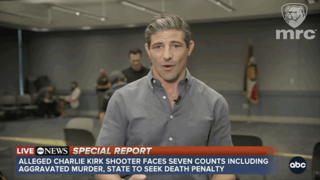
The suspect faces aggravated murder charges, and prosecutors have announced their intention to seek the death penalty.
Why is security responsibility important at public events?
Effective security reduces risk by deterring attacks and responding quickly, ensuring the safety of speakers and attendees.
How does political culture contribute to such violence?
Hostile ideological rhetoric and tolerance for violent extremes foster environments where political violence may emerge.
What role does media coverage play after a political assassination?
Media framing shapes public perception; accurate and responsible reporting is essential to avoid misinformation and polarization.
Are there calls for policy changes after this event?
Yes, calls include stronger security measures, accountability for enabling violence, and reforms addressing radicalization.
How does this impact freedom of speech events?
It raises concerns about balancing safety with openness, requiring improved security without suppressing political discourse.
Timeline of our coverage
- 2025-10-14 — Local Dem Party To Host 'Solidarity' Fundraiser With Jay Jones
- 2025-10-09 — Parents of Charlie Kirk's Assassin Face Consequences of Their Son's Actions
- 2025-10-06 — Man Arrested For Explosives At Judiciary Mass
- 2025-10-06 — Debate Erupts Over Charlie Kirk's Legacy Following His Death
- 2025-09-30 — It’s OK To Be Angry Over Charlie Kirk’s Murder
- 2025-09-25 — Axios, NYT Blame GOP For Noticing 'Anti-ICE' Shooter's Motives
- 2025-09-18 — Leftists Are Angrier About Kimmel's Firing Than Kirk's Assassination
- 2025-09-18 — Stop Sending Kids To Schools Where Teachers Celebrate Murder
- 2025-09-17 — ABC Reporter Fabricates Text To Make Kirk Assassin Look Better
- 2025-09-17 — Calls Grow For ABC To Fire Kimmel For Lie About Kirk Assassination
- 2025-09-16 — Antifa Is Responsible For Charlie Kirk's Assassination
- 2025-09-16 — Generic Condemnations Of Violence Won't Stop The Left Escalating It
- 2025-09-16 — Firing Cheerleaders Of Murder Is Accountability, Not Cancel Culture
- 2025-09-15 — Reaction to Charlie Kirk's Death Sparks Debate on Political Violence
- 2025-09-15 — If You're Not Focused On Fighting Left-Wing Violence, Step Aside
- 2025-09-15 — Reflections on Charlie Kirk's Impact and Legacy
- 2025-09-12 — Congress Must End Leftist Funding Enabling Kirk Assassination
- 2025-09-12 — Charlie Kirk Assassinated at Utah Valley University
- 2025-09-12 — The Leftists That Love Luigi Mangione Now Laugh At Charlie Kirk
- 2025-09-11 — Charlie Kirk Assassination Proves The Left Needs To Fear Its Rules
The Bottom Line
- Political assassination threatens democratic stability and free speech.
- Understanding methods of attack informs better security protocols.
- Accountability for security failures is necessary to protect public events.
- The cultural roots of violence must be addressed to prevent escalation.