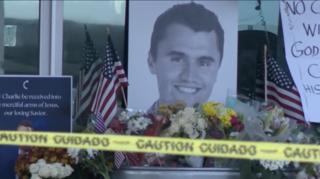
On September 10, conservative political figure Charlie Kirk was assassinated, with allegations pointing to Antifa involvement. Following the arrest of the 22-year-old suspect, discussions about the shooter's motives intensified, particularly after conservative commentator Steven Crowder shared what he claimed was an ATF document. This document reportedly indicated that the spent cartridge and unspent rounds were engraved with phrases reflecting transgender and anti-fascist ideologies.
Explainer Free Speech Battles: Courts, Censorship, and Cultural Conflicts
Mainstream media outlets, including CNN, characterized these engravings as a "range of phrases related to cultural issues." (U.S. DOJ) However, it was later revealed that some phrases included messages like "Hey Fascist! Catch!" and lyrics from the anti-fascist song "Bella Ciao." Andy Ngo, a journalist known for covering Antifa, noted that similar phrases had appeared in the manifesto of a previous attacker associated with anti-fascist movements.
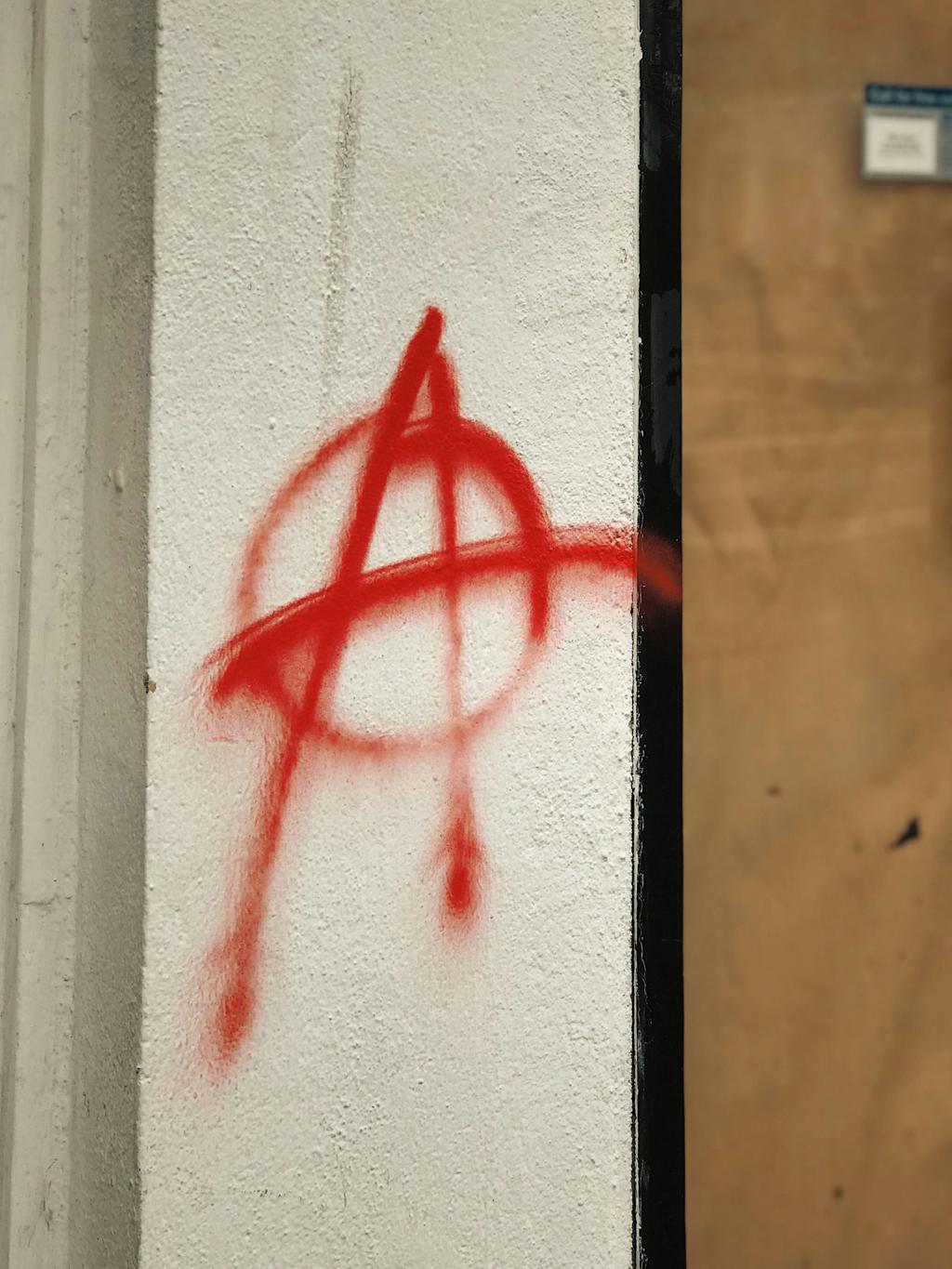
The references to anti-fascism have led to claims from some media and political figures that the attack was not ideologically motivated by Antifa. Despite this, various social media accounts linked to Antifa have celebrated the shooting, suggesting that the shooter was aligned with their ideology. A Pittsburgh-based anarchist account mocked claims that the shooter was a far-right extremist and shared more lyrics from "Bella Ciao" (U.S. DOJ) in response to the assassination.
Utah Governor Spencer Cox remarked that investigators found the shooter to be "deeply indoctrinated with leftist ideology." (U.S. DOJ) This incident has sparked a wider discussion about the nature of anti-fascism and its implications for political discourse in the United States.
Kirk was known for his willingness to engage in political discussions across the spectrum, which some argue makes him a target for those who oppose open dialogue. The assassination has raised concerns about the increasing use of violence in political disagreements and the rejection of civil discourse by some factions.
Kyle Shideler, a senior analyst for Homeland Security at the Center for Security Policy, emphasized that the shooter’s actions align with the anti-fascist ideology that seeks to silence opposing views through violence. He argued that the true enemy of Antifa has historically not been fascists but rather moderate political voices.
As investigations continue, questions remain about the shooter’s affiliations and whether he was an official member of an Antifa group. However, many observers believe that his actions reflect the broader anti-fascist movement's tactics and ideology.