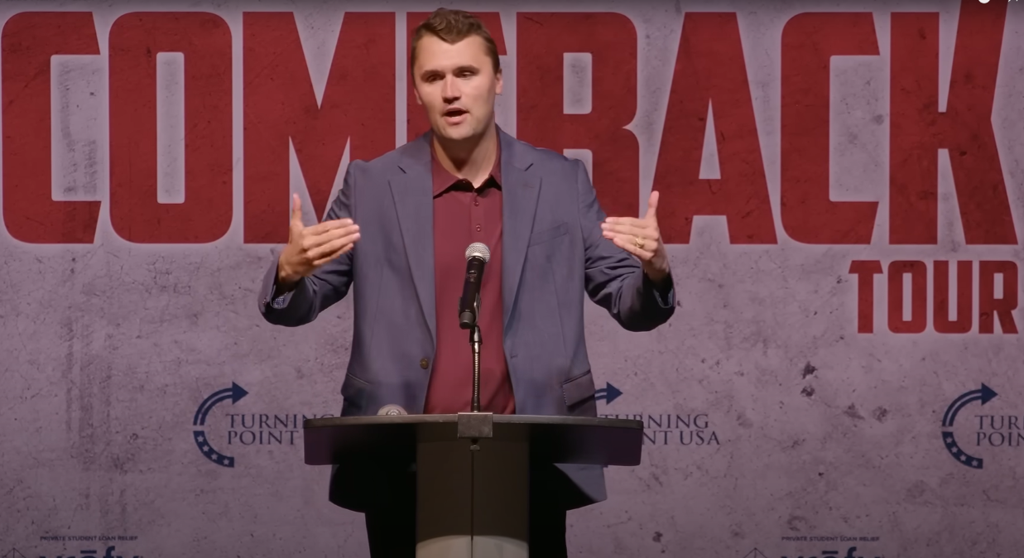
The assassination of conservative activist Charlie Kirk is being described as a terrorist attack aimed at undermining the conservative movement. Authorities have arrested Tyler Robinson, a suspect in the shooting, which some believe was motivated by radical leftist rhetoric.
Explainer Understanding the Transgender Discourse: Rights, Policies, and Challenges
Conservative commentator Mike Cernovich has called for a congressional investigation into the funding sources of far-left extremism, suggesting that financial backing plays a significant role in radicalizing individuals. Cernovich's comments follow a pattern of provocative leftist ideologies that he claims manipulate vulnerable minds.
Cernovich specifically urged Congress to scrutinize the financial records of influential donors, including George Soros and Bill Gates, who are associated with funding left-leaning organizations. He highlighted the Southern Poverty Law Center (SPLC), which has faced criticism for labeling Turning Point USA, the organization founded by Kirk, as connected to white supremacy. SPLC reported receiving $339 million in funding in 2023.
Critics argue that organizations like the SPLC contribute to a hostile environment for conservatives, with some alleging that they incite violence against figures like Kirk. In a recent incident, House Democrats reportedly shouted down a request for a moment of prayer for Kirk, prompting backlash from Republican lawmakers.
Mollie Hemingway, Editor-in-Chief of The Federalist, has testified before Congress about the role of censorship groups in shaping media narratives. She claimed that entities like the Global Disinformation Index and NewsGuard favor left-wing media while suppressing conservative voices. Hemingway also noted that NewsGuard has received federal funding, raising concerns about taxpayer dollars being used to support biased censorship.
Utah Governor Spencer Cox mentioned that bullet casings found at the scene of Kirk's assassination bore inscriptions related to anti-fascist sentiments, raising questions about the motivations behind the attack. Critics have pointed to media comparisons of former President Donald Trump to historical figures like Hitler as potentially inciting violence.
The ongoing debate centers around the influence of wealthy donors on political discourse and the potential consequences of radicalization. Some argue that the current political climate, fueled by significant financial contributions to leftist causes, creates a volatile environment that could lead to further acts of violence.
Beth Brelje, an elections correspondent for The Federalist, emphasizes the need for transparency in funding sources and accountability for organizations that may contribute to political violence. She argues that identifying and mapping the network of financial support for radical ideologies is crucial to addressing the underlying issues that lead to such incidents.
As the investigation into Kirk's assassination unfolds, the focus on funding and its role in shaping political narratives continues to be a contentious topic in American politics.