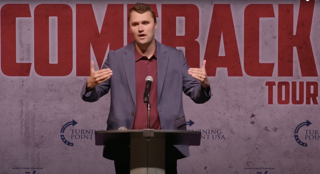
Conservative activist Charlie Kirk was fatally shot on September 13, 2025, during a campus event in Utah, prompting a polarized response from various political factions. While some individuals celebrated his death, others expressed condolences and condemned political violence.
Explainer Understanding the Transgender Discourse: Rights, Policies, and Challenges
Kirk, a prominent figure in conservative circles, was known for his outspoken views and activism. His assassination has reignited discussions about the climate of political discourse in the United States, particularly regarding the rhetoric used by public figures.
In the aftermath of the shooting, reactions varied widely. Some left-leaning commentators criticized the celebration of Kirk's death, emphasizing the need for unity and dialogue. Others, however, pointed to the inflammatory language often used by Kirk and his supporters as contributing factors to the current political climate.
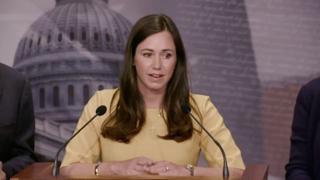
Senator Dick Durbin (D-IL) stated, "We must come together to denounce violence in all its forms, regardless of political affiliation." (Commons Wikimedia) Similarly, Senator Richard Blumenthal (D-CT) remarked, "This tragedy underscores the urgent need for a national conversation about political rhetoric and its consequences."
Conversely, some conservative voices argued that the left's rhetoric has fostered an environment where political violence is normalized. Critics of the left pointed to instances where they believe inflammatory language has been used against conservatives, including Kirk. They argue that this creates a dangerous atmosphere that can lead to real-world violence.
In a recent survey conducted by Rutgers in April, 56% of respondents who identified as left-leaning indicated that they believed the murder of former President Donald Trump could be justified under certain circumstances. This statistic has raised alarms among conservatives, who see it as indicative of a broader trend of radicalization.
The debate has also touched on the role of social media and educational institutions in shaping political views. Some conservatives have called for a reevaluation of how political discourse is conducted in schools and online platforms, suggesting that these environments may contribute to radicalization.
Elle Purnell, an editor at The Federalist, emphasized the need for accountability, stating, "We need to address the organizations that fund violent actions and the platforms that allow threats to proliferate." (Commons Wikimedia)
As the nation grapples with the implications of Kirk's assassination, the conversation surrounding political violence, rhetoric, and accountability continues to evolve. Many are calling for a more civil discourse that prioritizes understanding over division, while others remain concerned about the potential for further violence in a polarized political landscape.