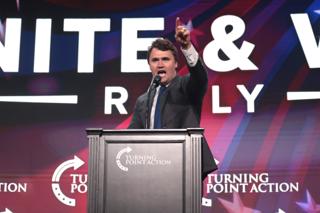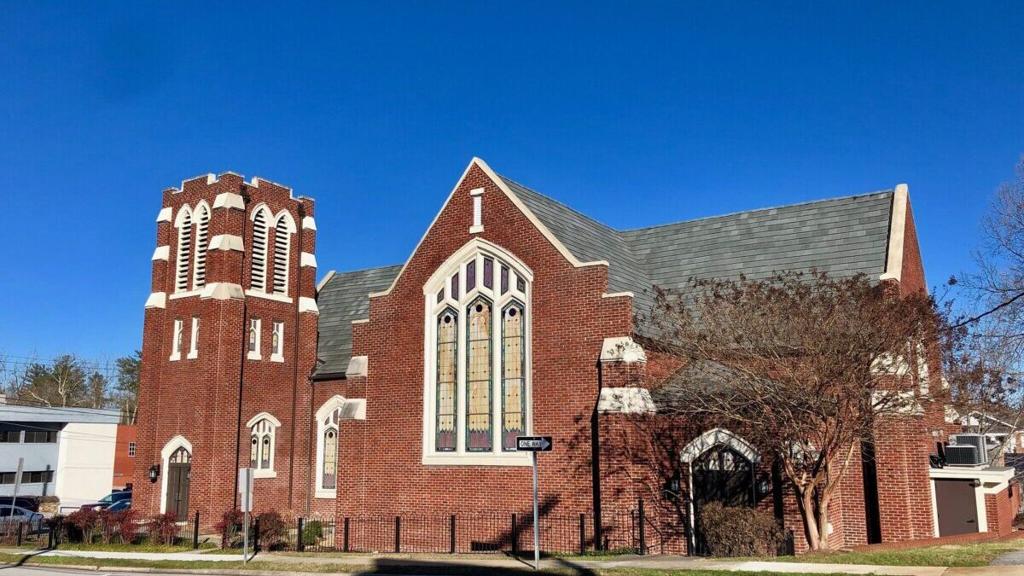
Charlie Kirk, a prominent conservative activist, was fatally shot on September 20, 2025, while speaking at Utah Valley University. His death has ignited discussions about the perceived vulnerabilities of the American church in the face of rising political violence and cultural conflicts.
Explainer Christianity and Sports: Navigating Faith in Public Life
Kirk, 31, was known for his outspoken defense of conservative values and his Christian faith. His assassination has been described by some supporters as a martyrdom, highlighting the dangers faced by those who publicly advocate for their beliefs. "Kirk was a threat to the enemy — the real enemy," (Itunes Apple) said Drew White, a former U.S. Senate staffer and policy advisor. "His death reveals the complacency of the American church."
In a YouGov survey released on the same day as Kirk's death, 26% of self-identified liberals under 45 indicated that they believe political violence is sometimes justified. This statistic has raised alarms among conservatives who argue that such sentiments reflect a broader trend of intolerance and aggression from the political left.
Critics of the church's response to societal issues argue that it has failed to prepare its congregants for the challenges they face. White noted that many church leaders have been reluctant to engage with contentious topics, labeling them as "political issues" (Itunes Apple) rather than essential matters of faith.
"Life, marriage, and the sanctity of being made in God's image should not be considered political issues," (Itunes Apple) White stated. "The church has diluted its mission and abandoned the battlefield to the forces of darkness."
Supporters of Kirk's legacy assert that his commitment to his faith and conservative principles will inspire many to deepen their beliefs. Some have expressed that his tragic death has prompted them to reevaluate their own faith journeys. "Kirk's murder has profoundly impacted many who never even knew him," (Itunes Apple) White added.
The response from church leaders has been mixed. While some have called for a renewed commitment to addressing societal issues from a biblical perspective, others remain cautious about the potential for political engagement to overshadow spiritual missions.
As discussions continue, the question remains: how will the American church respond to the challenges posed by a polarized political landscape? Kirk's death may serve as a catalyst for change, urging church leaders and congregants alike to take a more active role in defending their beliefs in the public square.
The ongoing debate highlights a growing divide within the church regarding its role in contemporary society. Many are calling for a reassessment of priorities, urging leaders to engage more fully with the cultural issues that affect their communities.
In the wake of Kirk's assassination, the future of the American church's influence in the political arena hangs in the balance, as both supporters and critics grapple with the implications of his legacy.