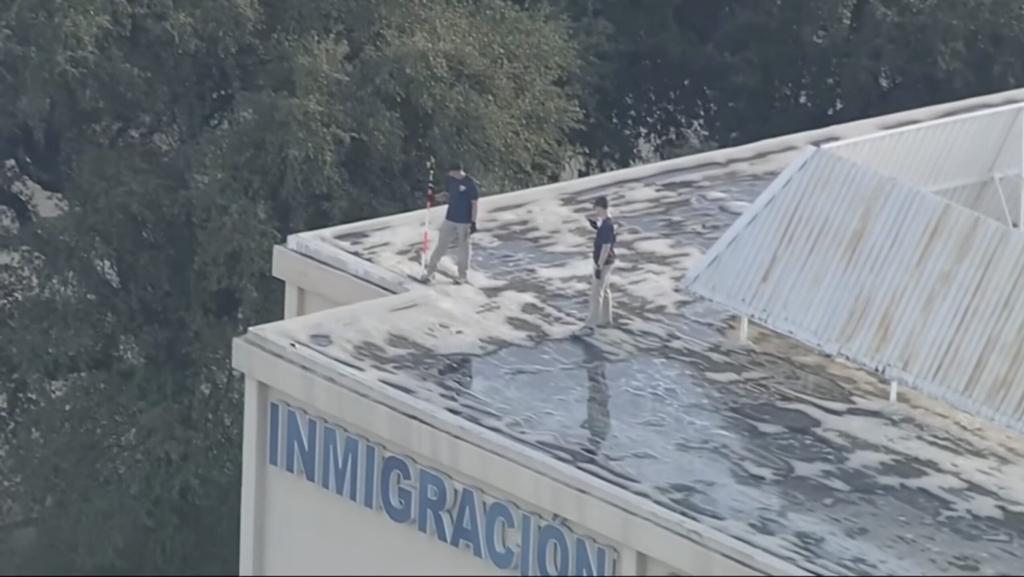
In the aftermath of Wednesday’s shooting at a Dallas immigration facility, some media outlets are focusing on Republican reactions to the incident rather than the violence itself. Authorities identified the shooter as 29-year-old Joshua Jahn, who opened fire on an ICE transportation vehicle, resulting in the death of one detainee and injuries to two others. Jahn died from a self-inflicted gunshot wound, with authorities discovering additional rounds inscribed with the message 'ANTI-ICE.'
Explainer Understanding ICE: Enforcement, Operations, and the Immigration Debate
Despite the clear evidence of Jahn's motives, members of the media, including The New York Times and Axios, have questioned the significance of these findings. Jesse McKinley of The New York Times suggested that the shooter’s motives remain unclear, criticizing President Donald Trump and Vice President J.D. Vance for highlighting the left-wing ideology behind the attack. McKinley noted that while Jahn had voted in a Democratic primary in 2020, he showed little interest in politics.
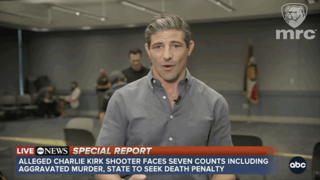
McKinley wrote, "The messages written on bullets found at the scene of the crime led to a great deal of conjecture after the fact, with numerous assumptions being made about what could be derived about the shooter’s motivation." (Dhs Issues Statement Targeted Attack Dallas Ice Facility — dhs.gov) He compared Jahn's case to that of Charlie Kirk’s assassin, suggesting that both incidents lacked a clear motive despite the inscriptions found on the ammunition.
Axios’ Josephine Walker echoed this sentiment, stating that Republicans who attribute the shooting to anti-law enforcement rhetoric are engaging in a 'partisan blame game.' Walker criticized the quick responses from Trump administration officials and other conservative figures, arguing that they rushed to assign blame before local police confirmed a motive or identified the victims.
The framing of these reactions as premature or opportunistic has drawn criticism from some observers, who argue that acknowledging the ideological motivations behind such violence is a legitimate concern. By focusing on the responses from Republicans, media outlets may be deflecting attention from the rhetoric and ideology that have contributed to these violent incidents.
Brianna Lyman, an elections correspondent at The Federalist, highlighted the media's tendency to downplay the implications of leftist ideology in violent acts. Lyman argues that the real issue is not the acknowledgment of motives but rather the growing threat posed by such ideologies.
The discourse surrounding the Dallas shooting reflects a broader debate about political violence and the narratives that emerge in its wake. As the investigation continues, the motivations behind such acts remain a critical area of discussion, particularly in the context of increasing polarization in American politics.