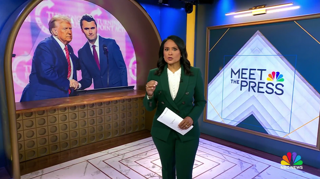
In the aftermath of the assassination of conservative activist Charlie Kirk, several incidents of violence have been reported, raising concerns about left-wing extremism. Critics argue that mainstream media have downplayed these events, suggesting a narrative that misrepresents the motivations of the perpetrators.
In a two-week span following Kirk's death, three notable incidents occurred: an attempted firebombing of a Fox News van, a shooting at an ABC News affiliate, and a shooting at an Immigration and Customs Enforcement (ICE) facility in Dallas, Texas. These incidents have sparked a debate about the portrayal of political violence in the media.
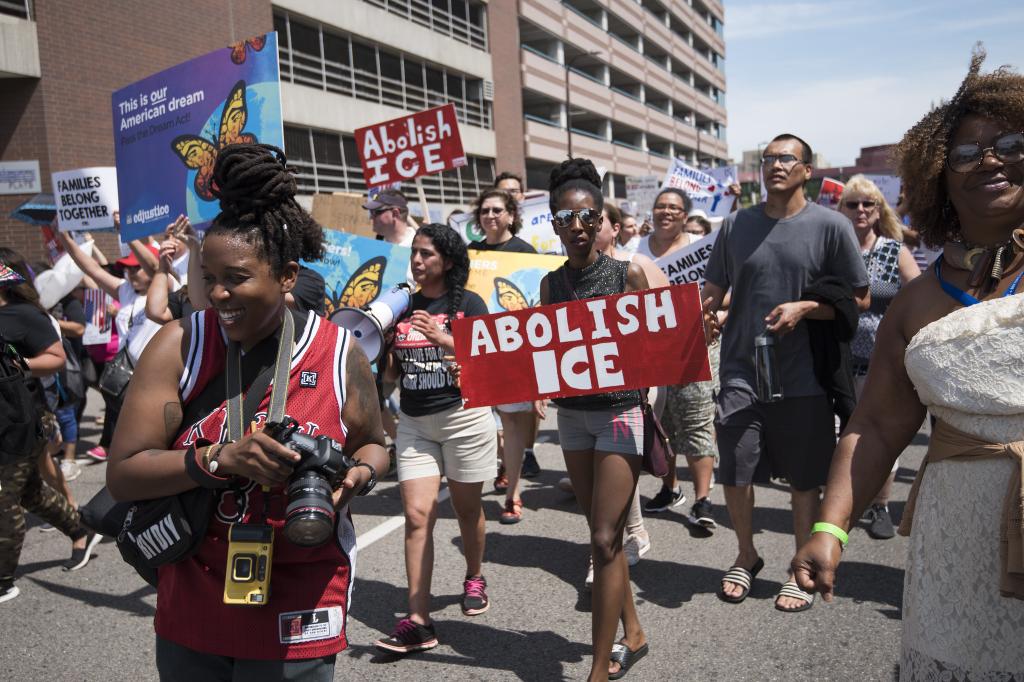
On September 24, an individual opened fire at the Dallas ICE facility, resulting in one death and multiple injuries. The Department of Homeland Security reported that the shooter had anti-ICE sentiments, as evidenced by inscriptions on the bullet casings. FBI Director Kash Patel condemned the attack, stating that such politically motivated violence against law enforcement is not isolated and must be addressed.
The media response to the ICE shooting has been scrutinized. Some commentators have suggested that the shooter’s motivations are unclear, with a CNN analyst questioning whether the attack was anti-ICE or anti-migrant. However, Patel emphasized the clear anti-ICE messaging associated with the shooter.
Former FBI official Christopher O’Leary noted the unusual nature of left-wing messaging on bullet casings, comparing it to tactics used by right-wing extremists. This comparison has raised eyebrows among analysts, who argue that it reflects a broader trend of political violence that is often overlooked.
Homeland Security Secretary Kristi Noem criticized the rhetoric surrounding ICE, stating that inflammatory language from politicians and media figures has real-world consequences. She highlighted the need for a more responsible discourse regarding law enforcement to prevent further violence.
The incidents have prompted calls for greater accountability from both political leaders and media outlets. Critics argue that incendiary comments from elected officials contribute to a climate of violence against law enforcement. Notable figures have made comparisons between ICE and historical oppressive regimes, which some believe incites aggression against agents.
As violence continues to escalate, the Department of Homeland Security reported a significant increase in assaults against ICE agents, with a 500 percent rise noted by mid-2023. This trend has raised alarms about the safety of law enforcement personnel and the implications of political rhetoric.
Sean Davis, CEO of The Federalist, called for a serious response to left-wing terrorism, urging the government to dismantle networks that support such violence. He emphasized the urgency of addressing the issue before more lives are lost.
Breccan F. Thies, the White House correspondent for The Federalist, has covered these developments extensively, highlighting the need for a balanced and factual discussion on political violence in America.