Obamacare Explained: Impact, Challenges, and Policy Debates Shaping U.S. Healthcare
A comprehensive guide to Obamacare’s intent, evolution, and the ongoing political battles over its future and subsidy policies.
Additional reporting by Samira Brooks, Alex Monroe
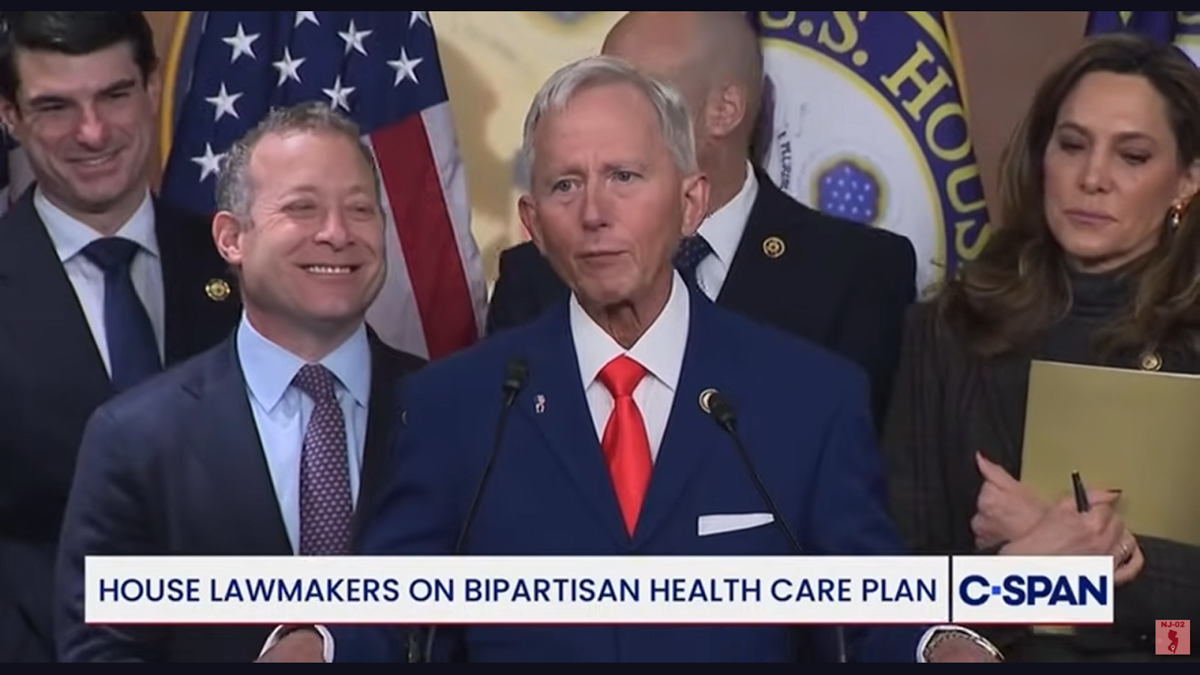
The Affordable Care Act (ACA), commonly known as Obamacare, remains one of the most significant and contentious healthcare reforms in recent American history. Enacted in March 2010, the law aimed to expand insurance coverage, control rising healthcare costs, and improve the overall functioning of the healthcare system in the United States. More than a decade later, Obamacare continues to influence the national conversation about healthcare policy and government spending, making it critical to understand its mechanisms and the political struggles surrounding it.
Despite achieving milestones in coverage expansion, the ACA faces continuous scrutiny from conservatives who question its sustainability, costs, and federal overreach. The program's complexity and evolving implementation challenge Republicans and Democrats alike as they grapple with the best approach to health care reform. This explainer will delve into the origins and structure of the ACA, its successes and shortcomings, the ongoing subsidy debates, and the conservative perspective on moving beyond Obamacare toward targeted solutions.
The Foundation of Obamacare and Its Core Components
"Obamacare’s growing costs and complexity demand principled reforms—resisting subsidy bailouts is key to restoring market-driven healthcare solutions."
The ACA was signed into law on March 23, 2010, by President Barack Obama, introducing ambitious reforms designed to address long-standing gaps in American healthcare coverage. At its core, Obamacare created health insurance marketplaces—online exchanges where individuals could shop for government-regulated health plans—and established subsidies to make these plans affordable for low- and moderate-income Americans. It also mandated that individuals obtain insurance or face penalties, though this mandate has since been repealed at the federal level.
A major pillar was the expansion of Medicaid eligibility to cover more low-income Americans in states that chose to participate. The law also imposed consumer protections like prohibiting insurance companies from denying coverage due to pre-existing conditions or capping annual benefits. These shifts have collectively contributed to an historic reduction in the uninsured rate, with over 40 million enrolled in ACA-related coverage as of early 2023.
However, the ACA’s complexity introduced challenges. The rollout of the federal exchange HealthCare.gov experienced significant technical issues initially, and the establishment of new bureaucratic layers raised questions about federal authority. Still, the law represented a landmark change in how Americans access health insurance and set a precedent for subsidies and market regulation. Its requirements and protections fundamentally reshaped the insurance landscape—forcing insurers to cover a wider range of patients, but also prompting some market exits and premium hikes due to new regulatory burdens.
The Persistent Political Battle Over Funding and Subsidies
Subsidies are central to Obamacare’s promise of affordable health insurance, yet they remain a hot-button issue. These taxpayer-funded assistance programs reduce premium costs for millions, but conservatives have long argued that these payments foster dependency while inflating prices by limiting market incentives for efficiency. The recent surge in subsidies stemming from the COVID-19 emergency response significantly increased affordability temporarily, but this came at a considerable fiscal cost and without addressing underlying structural problems.
Republican lawmakers have pushed back hard on subsidy extensions. For example, proposals to raise premiums on so-called “free” plans from zero to a minimal $1 monthly fee—as reported in our analysis of potential savings—aim to reduce wasteful government spending while keeping coverage accessible. These conservative efforts underscore a broader desire to curb open-ended entitlements without outright repealing the ACA, reflecting a pragmatic approach amid political realities.
Meanwhile, Democrats continue to seek ways to extend enhanced subsidies through tools like discharge petitions in Congress, illustrating a sharp political tug-of-war over the federal government's role in healthcare affordability. This clash isn’t just about costs but reflects the fundamental debate over whether to confront Obamacare’s design flaws or simply maintain subsidies indefinitely. House Republicans’ recent proposals and Democratic countermeasures highlight these partisan divisions.
Obamacare’s Impact on Healthcare Costs and Market Dynamics
Controlling healthcare costs was one of the ACA’s foundational goals, yet its success in this area is mixed at best. While the law expanded coverage to millions, many consumers report increasing premiums and out-of-pocket costs—issues that contradict affordability promises and fuel frustration among enrollees. Insurers have complained about regulatory burdens and narrow profit margins, leading some to reduce participation in marketplaces or withdraw entirely from more volatile states.
Moreover, drug pricing remains a thorny challenge. Despite government efforts, patients often bear high out-of-pocket costs. Our investigative piece on complex drug pricing exposed how pharmaceutical industry tactics undermine affordability efforts, creating skepticism about whether federal programs like Obamacare can adequately control costs without deeper reforms.
From a conservative viewpoint, the ACA’s regulatory framework tends to restrict competition and innovation, locking Americans into a cost spiral subsidized by taxpayers. They argue that true reform requires expanding market competition, transparency, and patient incentives rather than perpetually inflating subsidies. This perspective warns against complacency with the status quo, calling for systematic changes to encourage private-sector solutions and reduce government dependency.
Conservative Critiques and the Case for Alternatives
Conservatives consistently critique Obamacare for expanding federal control over healthcare and perpetuating inefficient entitlement spending. The law’s complex mandates and subsidies, while well-intentioned, have introduced layers of bureaucracy that limit patient choice and stifle market responsiveness. Rising premiums and confusing plan options reinforce concerns that the ACA has failed to deliver affordable, high-quality coverage on a broad scale.
Republicans advocate resisting the urge to bail out Obamacare with endless subsidy expansions. Instead, they propose reforms such as increasing nominal premiums on “free” plans to instill market discipline—as explained in our editorial on why the GOP should fix healthcare. Expanding Health Savings Accounts (HSAs), promoting state-level innovation through block grants, and reducing federal mandates are also common conservative policy prescriptions aimed at restoring choice and accountability.
These reform ideas align with the conservative principle of limiting government overreach while empowering individuals and states to tailor healthcare solutions to local needs. While outright repeal of Obamacare remains politically unlikely, incremental reforms focused on fiscal responsibility and market-based strategies offer a viable path forward consistent with conservative values.
Acknowledging the political difficulties inherent in dismantling such a deeply embedded program, conservatives maintain that pushing back on subsidy renewals and addressing structural flaws is preferable to allowing government-funded entitlements to grow unchecked, which risks unsustainable fiscal burdens.
The Broader Implications and What Lies Ahead
Obamacare’s legislative and political saga underscores the fundamental challenges of health reform in America—striking a balance between expanding access, controlling costs, and preserving market incentives. The ACA’s mixed record illustrates how complex federal policies can produce unintended consequences, such as rising costs despite greater coverage.
In today’s political climate, conservatives face pressure from moderates and Democrats alike to maintain subsidies amid popular demand for affordable care. Yet expanding subsidies without fundamental reforms threatens to entrench a fiscal crisis and decrease market efficiency. Recent analyses highlighting billions lost to fraud within ACA exchanges, covered in our CBO estimates, further complicate the debate by raising concerns about program integrity.
Subsidy extensions are also entangled with wider controversies, including abortion funding issues and government spending limits, making bipartisan compromise elusive. Tracking these political negotiations is crucial for understanding Obamacare’s trajectory and for anticipating how healthcare debates will shape elections and policy in coming years.
For conservatives and taxpayers concerned about long-term sustainability, the choice is clear: Reject short-term subsidy bailouts in favor of principled reforms that restore patient choice, reduce government overreach, and instill fiscal discipline. The status quo fosters inefficiency and dependency, threatening both economic responsibility and the quality of care Americans deserve.
Frequently asked questions
What is the primary goal of Obamacare?
The ACA aims to expand health insurance coverage, improve healthcare affordability, and enhance the quality and efficiency of the healthcare system.
How do Obamacare subsidies work?
Subsidies help lower-income individuals afford insurance premiums on ACA marketplaces by reducing monthly costs based on income and location.
Why do conservatives oppose extending subsidies?
They argue subsidies encourage government dependency, inflate premiums, and create unsustainable fiscal burdens without fixing underlying market problems.
What is Medicaid expansion under the ACA?
It allows states to provide Medicaid coverage to more low-income adults, but participation is voluntary and varies by state.
Has Obamacare lowered healthcare costs overall?
While coverage expanded, many consumers face rising premiums and out-of-pocket expenses, challenging claims of broad cost control.
What are some proposed conservative reforms to Obamacare?
Proposals include capping premiums minimally for 'free' plans, expanding HSAs, increasing market competition, and giving states flexibility to tailor programs.
What impact did repealing the individual mandate penalty have?
Removing the penalty has reduced enrollment incentives, potentially increasing premiums due to risk pool shifts.
Is Obamacare enrollment still growing?
Yes, enrollment has reached record highs recently, supported by subsidies and Medicaid expansion, despite political and administrative challenges.
Timeline of our coverage
- 2026-08-03 — Complex Drug Pricing Under Scrutiny as Patients Face Higher Costs
- 2025-12-05 — House Republicans Propose Extension of Obamacare Subsidies Amid Internal Discontent
- 2025-11-20 — Raising ‘Free’ Obamacare Premiums To $1 Could Save $7B A Year
- 2025-11-18 — House Democrats Pursue Discharge Petition for Obamacare Subsidy Extension
- 2025-11-12 — Why Republicans Should Resist The Urge To Bail Out Obamacare
- 2025-11-05 — Government Shutdown Linked to Democrats' Political Strategy Missteps
- 2025-11-05 — Government Shutdown: Republicans Stand Firm Amid Democratic Demands
- 2025-11-04 — Health Insurance Companies Spend Big On CA Redistricting Fight
- 2025-10-31 — 'Conservative' Pollster Shills For Health Insurance Companies
- 2025-10-30 — Congress Faces Decision on Enhanced Obamacare Subsidies
- 2025-10-28 — Obamacare’s ‘Free’ Preventive Care Is A Total Failure
- 2025-10-24 — Think Tank Claims on Obamacare Subsidies Under Scrutiny
- 2025-10-16 — Dems Push For Extension Of Biden Covid Credits
- 2025-10-14 — CBO Data Shows We Can't Afford To Extend Obamacare Subsidies
- 2025-10-09 — Democrats Demand Concessions Amid Government Shutdown Negotiations
- 2025-10-08 — No, Obamacare Premiums Are Not Doubling
- 2025-10-07 — GOP Should Fix Health Care Rather Than Bailing Out Obamacare
- 2025-09-19 — CBO Estimates Billions Lost to Obamacare Exchange Fraud
- 2025-09-15 — Debate Over Obamacare Subsidies Raises Concerns About Abortion Funding
- 2025-09-08 — Critics Question Politico's Coverage of Obamacare Subsidies Amid Fraud Concerns
The Bottom Line
- Obamacare fundamentally reshaped the U.S. health insurance landscape with lasting effects on coverage and costs.
- Understanding subsidy debates helps clarify the fiscal and political stakes behind ongoing healthcare policy decisions.
- The ACA’s challenges highlight the tension between expanding access and controlling government spending.
- Conservative approaches emphasize market solutions and fiscal restraint, offering alternatives to continued federal subsidies.


Sources
- Full Text of the Affordable Care Act and Reconciliation Act
- Biden-Harris Administration Announces Record-Breaking 16.3 Million People Signed Up for Health Care Coverage in ACA Marketplaces During 2022-2023 Open Enrollment Season
- Cms.gov: Hhs Announces Actions Protect Consumers And Lower Health Care Costs
- Cms.gov: Hhs Make Coverage More Accessible Affordable Millions Americans 2023
- Medicarerights.org: The Affordable Care Act Turns 13 (Mar 23, 2023)
- Techtarget.com: 2023 Affordable Care Act Marketplace Enrollment Breaks Historic Records
- Axios.com: Trump Obamacare Affordable Care Act (Nov 26, 2023)
- Axios.com: Inflation Drive Aca Premiums Up (Apr 04, 2023)