Election Integrity in Pennsylvania: Challenges, Legal Battles, and Reform Imperatives
Explore Pennsylvania's ongoing election integrity challenges, legal cases involving illegal voting, and the critical reforms needed to safeguard fair elections.
Additional reporting by Liam Walker, Oliver Brown

Election integrity remains a foundational pillar for any functioning democracy, and in Pennsylvania, this principle has been tested repeatedly in recent years. The Keystone State, often a decisive battleground in national elections, has faced continuing scrutiny over allegations of voting irregularities and legal challenges that have fueled debates about the legitimacy and security of its electoral system.
The controversies surrounding Pennsylvania's elections encompass a broad spectrum — from cases of illegal voting by noncitizens to administrative failures like missing voters in poll books. For conservatives committed to protecting election transparency and the rule of law, understanding the complexity of these issues and their implications is vital. This explainer dives deep into the core challenges and the corresponding legal and policy responses shaping election integrity in Pennsylvania.
Legal Actions Against Illegal Voting in Pennsylvania
"Protecting election integrity in Pennsylvania is essential to preserving democracy, requiring tough enforcement and smart reforms without compromising lawful voting."
The U.S. Department of Justice has played a significant role in exposing and prosecuting election-related offenses in Pennsylvania. In September 2026, federal authorities charged multiple individuals with illegal voting crimes, including noncitizens unlawfully registering and casting ballots in federal elections. These prosecutions underscore the ongoing risks posed by lax enforcement and the consequences of compromising voter verification standards.
One of the most notable cases involved Cliff Sanon, a Haitian citizen from Philadelphia, accused of submitting fraudulent voter registrations multiple times and voting in the 2022 general election. Additionally, in a separate indictment, a federal grand jury charged Thomas Holtzman and Marisol Guzman of Carlisle, Pennsylvania; Guzman allegedly voted illegally as a noncitizen in the 2024 election, with Holtzman charged with aiding and abetting the offense. Furthermore, Jeffrey Pope of Apollo faced allegations of casting ballots in both Pennsylvania and Alaska during the same presidential election cycle.
These convictions demonstrate federal commitment to prosecuting election crimes and serve as a warning against undermining the legal voting process. Still, they also reveal vulnerabilities in Pennsylvania’s election system, where such illegal participation could occur undetected for years. For example, the Department of Justice's findings were accompanied by a broader investigation into fraudulent voter registrations and illegal ballots cast across the state.
Such prosecutions are crucial in deterring future illegal voting and reinforce the principle that the right to vote must be reserved for eligible American citizens. Yet, they also expose gaps in the registration and verification procedures that election officials must urgently address. In a state where a few thousand votes often decide outcomes, even small-scale fraud carries outsized implications for electoral legitimacy.
These cases and others like them were reported in detail by our coverage of DOJ charges against noncitizens, emphasizing the critical need for vigilance against election fraud that threatens the fairness of every ballot cast.
Administrative Failures and Voter Roll Management
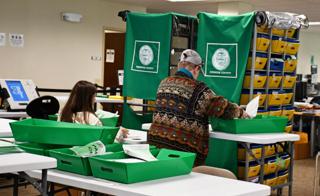
While headline-grabbing prosecutions target criminal actors, Pennsylvania’s election integrity also suffers from administrative failures that could disenfranchise lawful voters and erode confidence. A recent incident in Chester County revealed a staggering flaw: 75,000 registered voters were missing from poll books on election day, preventing their access to polling places and sowing confusion and suspicion.
This episode, chronicled in our reports on the Chester County poll book fiasco and the related piece on voters left out on election day, highlighted systemic weaknesses. The failure to maintain accurate, synchronized voter rolls feeds suspicion among citizens, especially as partisan narratives amplify concerns of fraud or disenfranchisement.
Compounding the issue, courts in Pennsylvania have grappled with the validity of unverified voter registrations flooding the system. Multiple legal challenges have questioned the use of such registrations, posing significant questions about the adequacy of verification protocols at the local and state levels. The Pennsylvania Supreme Court has intervened in some cases to halt persistent legal onslaughts targeting these rules — so-called 'lawfare' designed to weaken election protections rather than collaboratively strengthen processes.
From the conservative perspective, accessible voting must not come at the cost of order and legality. These administrative lapses complicate elections and provide ammunition to bad actors and skeptics alike. Pennsylvania’s electoral authorities are therefore tasked with urgent reform to improve voter roll accuracy, inter-agency data sharing, and poll book management, as highlighted by our continuing coverage of election court decisions.
Political and Legal Reform Efforts in Election Oversight
Recognizing these challenges, Pennsylvania’s political landscape has become a battleground for competing visions on election reform. The Republican party and aligned conservative groups advocate for stronger voter identification requirements, enhanced poll book accuracy, robust penalties against fraudulent voters, and better coordination among election officials to protect the ballot’s integrity.
State lawmakers have proposed bills empowering election officers to verify eligibility before registration acceptance, improve electronic poll book systems, and increase transparency surrounding absentee and mail-in ballots. These initiatives aim to prevent illegal voters from slipping through while ensuring legitimate voters retain easy access.
Opponents, often from Democratic and advocacy groups prioritizing voter access, critique such measures as voter suppression tactics, arguing they disproportionately burden marginalized communities. Conservatives, however, see these objections as politically motivated attempts to maintain loopholes that facilitate illegal votes and diminish election security.
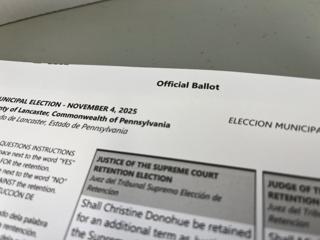
Moreover, judicial rulings shape the reform landscape profoundly. The Pennsylvania Supreme Court, whose makeup has been confirmed by voters retaining three justices recently, continues to rule on election law matters—sometimes striking down legislation seen as restrictive, other times upholding measures promoting integrity. Our in-depth reporting on the court’s role shows how the judiciary is pivotal in balancing the intertwined demands of fairness and security.
The Broader Impact of Election Integrity on Governance and Public Trust
Election integrity controversies in Pennsylvania extend beyond ballots and polls; they influence the overall health of governance and citizen trust. A secure, transparent electoral system fosters confidence in government institutions and encourages robust civic participation. Conversely, ongoing allegations of fraud or administrative incompetence fuel political polarization, voter apathy, and skepticism in election outcomes.
Pennsylvania’s experience demonstrates how election disputes become polarized symbols in larger culture wars. Occasionally, bipartisan bridges briefly emerge—for instance, Democratic Sen. Fetterman's recent endorsement of a GOP colleague at the RNC convention demonstrates potential for unity beyond party lines. Yet, such moments remain rare amid entrenched divisions and skeptical electorates.
The ripple effects reach other policy arenas as well. For example, disputes over infrastructure funding and public health rules have intersected with election debates, revealing the extent to which election integrity concerns permeate broader governance questions. Our coverage of the road funding threats linked to immigration policy and public health controversies illustrates this multidimensional political landscape.
Ultimately, conservatives argue that protecting election integrity is foundational to ensuring accountable governance, preserving the rule of law, and safeguarding constitutional freedoms. These interconnections underscore why election reforms are not isolated technical issues but part of broader democratic resilience.
Policy Recommendations and Conservative Perspectives on Election Reform
Looking to the future, Pennsylvania’s experience highlights essential reforms conservatives champion to bolster election integrity without disenfranchising lawful voters. An immediate priority is strengthening voter ID laws that require valid, government-issued identification for voting or registration, which prevent impersonation and noncitizen participation without burdening legitimate voters excessively.
In parallel, enhancing inter-jurisdictional cooperation and securing voter databases are critical. Better data sharing among local election offices can identify duplicate registrations or voters who have relocated. Training election officials on compliance and detection of suspicious activity also addresses administrative deficiencies demonstrated in Chester County.
Penalties for election fraud must be swift and certain, setting clear deterrents against illegal voting and false registration submissions, as seen in the recent Department of Justice prosecutions. In conjunction, transparency initiatives—such as public access to voter rolls and election processes—allow citizens to scrutinize and trust the system’s integrity.
Conservative reform advocates caution against efforts that could dilute protections under the guise of expanding access. They argue that balanced, pragmatic policies can protect both electoral security and voter participation, maintaining a healthy democratic process. Our continuing analysis, including coverage of controversial abortion measure votes, reflects the interplay of election security within Pennsylvania’s political environment.
Navigating the Challenges: A Call for Responsible Election Oversight
Pennsylvania stands at a critical juncture where leadership must confront known electoral vulnerabilities with sober, nonpartisan action. Overcoming partisan extremism that either dismisses legitimate risks or weaponizes access debates is vital to restoring public confidence.
Research and experience show even isolated illegal voting or administrative errors can erode voter trust across the political spectrum, depressing turnout and inflaming discontent. Responsible governance demands clear, enforceable election laws coupled with accountable election administration supported by law enforcement and judicial agencies.
Furthermore, expanding civic education and improving media literacy are imperative to counter misinformation and enhance informed voting. Pennsylvania’s move toward promoting media literacy amid concerns about bias demonstrates an understanding of this necessity.
From a conservative viewpoint, preserving election integrity is inseparable from defending democratic principles and the Constitution. Pennsylvania’s experience offers a cautionary but hopeful example of how principled reforms, vigilant enforcement, and engaged citizens can together secure fair, trustworthy elections into the future.
Frequently asked questions
What kinds of election crimes have been reported in Pennsylvania?
Federal indictments involve illegal voting by noncitizens, fraudulent voter registrations, and individuals casting multiple ballots in different states.
How does Pennsylvania handle voter roll maintenance?
Local election offices manage voter rolls, but errors like missing voters in poll books highlight the need for improved data accuracy and coordination.
What legal steps has Pennsylvania taken to improve election integrity?
Courts have ruled on election law disputes, including cases dealing with unverified registrations and attempts to block reforms that secure voting processes.
Are there bipartisan efforts addressing election concerns in Pennsylvania?
While disagreements remain, there have been notable bipartisan moments, yet partisan tensions complicate comprehensive election reforms.
What reforms do conservatives advocate for election security?
They support stricter voter ID laws, enhanced verification systems, penalties for fraud, and transparent election administration to protect lawful voters.
Can election integrity measures disenfranchise voters?
Conservatives argue well-crafted reforms can prevent fraud without blocking lawful voters, but balance and careful implementation are key.
How do election issues impact broader governance in Pennsylvania?
Election controversies can undermine public trust, affect political stability, and influence other policy areas like infrastructure and health regulations.
Timeline of our coverage
- 2026-09-25 — DOJ Charges Four Noncitizens With Illegal Voting in Pennsylvania
- 2026-09-22 — Pennsylvania Republicans Warn Disease Rule Proposal Could Allow Warrantless Home Entry
- 2026-09-13 — NextEra to Build $13 Billion Natural Gas Plant in Fayette County
- 2026-09-10 — Democratic Sen. Fetterman Endorses GOP Colleague at RNC Convention
- 2026-08-23 — Backlash Halts Thousands of Data Center Projects as States Impose New Restrictions
- 2026-08-05 — Scranton Mayor’s Campaign Faces Scrutiny Over Indirect Corporate PAC Donations
- 2025-11-20 — Duffy Threatens To Pull $75M In Road Funds For Pennsylvania
- 2025-11-19 — How Did An Illegal Alien, Wanted On Terrorism, Get A CDL License
- 2025-11-12 — Chester County Launches Investigation After 75,000 Voters Left Out of Poll Books
- 2025-11-05 — Pennsylvania Voters Retain Three Supreme Court Justices for Another Decade
- 2025-11-05 — Chester County Poll Book Fiasco Highlights PA's Election Issues
- 2025-11-04 — Chester PA Poll Books Missing 75,000 Voters On Election Day
- 2025-10-27 — Election Canvassers Charged For Fake 2024 Voter Registrations
- 2025-10-27 — Pennsylvania Promotes Media Literacy Amid Concerns Over Bias
- 2025-10-23 — Pennsylvania Committee Passes Six Extreme Abortion Measures
- 2025-10-23 — Here Are The Biggest 2025 Races And Ballot Measures
- 2025-10-21 — PA Bills Could Allow Public Funding Of Abortion Up To Birth
- 2025-10-09 — Pennsylvania Court to Decide on Use of Unverified Voter Registrations
- 2025-09-15 — PA Supreme Court Shuts Down Lawfare Aimed At Election Law
- 2025-09-08 — Two Pennsylvania Residents Charged with Election Fraud
The Bottom Line
- Election integrity is vital for maintaining public trust in democratic governance.
- Pennsylvania’s election controversies reveal risks of illegal voting and administrative failures.
- Federal prosecutions highlight the necessity of enforcing election laws rigorously.
- Effective election reforms can protect lawful voters and combat fraud simultaneously.
Sources
- Four Aliens Charged With Election Fraud
- Husband And Wife Charged With Alien Voting
- Apollo Man Charged with Casting Multiple Votes in 2024 Presidential Election
- Five Charged in Pennsylvania, New Jersey, and Wisconsin with Illegally Voting, Fraudulent Registration in 2022 or 2024 Election
- FEC
- Spotlightpa.org: Doj Charges Noncitizen Voting Pennsylvania Wisconsin New Jersey Elections
- Philadelphiaweekly.com: Doj Charges Four More Pennsylvanians With Illegal Voting As Noncitizens (Sep 25, 2026)
- Dailysignal.com: Doj Election Fraud Charges Against 4 Noncitizens (Sep 24, 2026)
- Thelibertytribune.com: Doj Charges Four Noncitizens With Illegal Voting In Pennsylvania (Sep 25, 2026)
- Apnews.com: Ab1bfbc64be135d66a1908be5e6d3ede
- Apnews.com: 99ef57346bbe09ba2ff606538a76eede