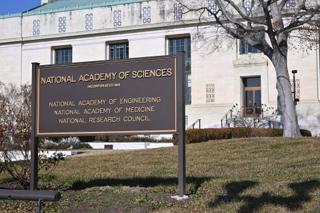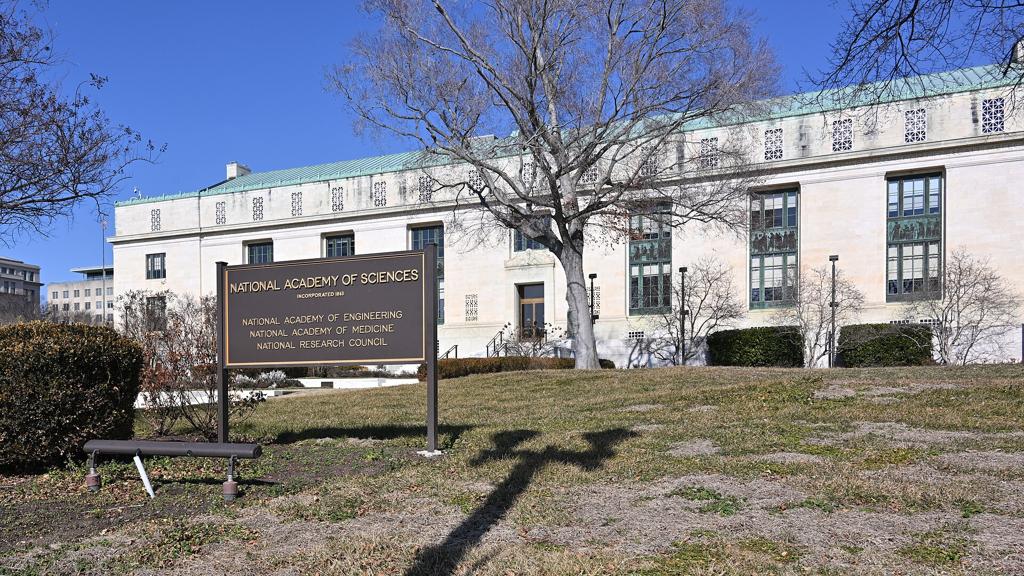
A coalition of 25 Republican state attorneys general has formally called on the Trump administration and Congress to suspend federal grants to the National Academies of Sciences, Engineering, and Medicine (NASEM), alleging the organization has demonstrated bias and climate activism in its federally funded work. The request, made in a letter sent Thursday, raises concerns about the integrity and neutrality of scientific guidance that informs federal policy and litigation, particularly in high-stakes climate cases.
Explainer Understanding the Supreme Court’s Impact on Law and Liberty
The attorneys general argue that taxpayer dollars should not support what they characterize as partisan advocacy. They contend that NASEM's recent actions undermine the credibility of expert input relied upon by federal agencies and the courts, and they question whether the organization can continue to serve as an impartial scientific adviser to the government.
Dispute Over Reference Manual and Climate Science Chapter
The controversy centers on NASEM’s role in producing the fourth edition of the Reference Manual on Scientific Evidence, a guide intended to help federal judges evaluate scientific and technical issues in court. The manual, developed in partnership with the Federal Judicial Center (FJC), included a chapter on climate science that drew criticism from some legal and scientific observers. Critics, including the Republican AGs, allege that the chapter relied heavily on sources from climate activists and advocates, rather than maintaining a neutral, evidence-based approach.
Following public backlash and scrutiny, the FJC retracted the climate science chapter from its official publication in February. However, NASEM continued to host the full manual, including the disputed chapter, on its website until earlier this month. NASEM has since announced that the chapter would be temporarily removed while an “independent review” of the production process is conducted. The FJC’s official Reference Manual on Scientific Evidence, Fourth Edition now omits the climate science section entirely.
AGs’ Letter and Allegations
In their letter to Trump administration cabinet secretaries and key congressional committees, the Republican attorneys general sharply criticized NASEM’s review process, calling it insufficiently transparent and lacking true independence. They argued that a credible review would require an external panel, reviewers without activist backgrounds, and full public disclosure of the process and its findings.
The AGs allege that the climate science chapter misrepresented the United Nations’ Intergovernmental Panel on Climate Change, contradicted other sections of the manual, and was “substantially ghost-written” by Michael Burger, an attorney known for representing climate plaintiffs. They further claim that the chapter’s authors, reviewers, and funders included individuals and organizations actively involved in climate litigation and advocacy.
“NASEM’s destruction of its own credibility in the Chapter and its response to criticism, combined with NASEM doubling down on propping up climate plaintiffs’ litigation theories by issuing another biased report... warrant debarment or suspension by federal agencies.”
— Letter from 25 Republican State Attorneys General
The attorneys general also point to a July NASEM report, Attribution of Extreme Weather and Climate Events and Their Impacts 2026, as evidence of continued bias. They allege the report was produced and released to benefit plaintiffs in the upcoming Supreme Court case Suncor Energy v. County Commissioners of Boulder County. The AGs note that the report involved contributors who support climate litigation and received funding from the Bezos Earth Fund, which also supported an amicus organization that cited the report extensively in its Supreme Court brief.
NASEM’s Response and Ongoing Review
Earlier this month, NASEM announced it would temporarily remove the climate science chapter from its website while conducting an “independent review” of the process used to produce it. The organization has not publicly responded to the AGs’ latest letter or addressed the specific allegations of bias and lack of transparency. According to reporting by The Federalist, President Trump had previously ordered federal officials to review the matter, but no further action has been announced by federal agencies.
The FJC, which partnered with NASEM on the manual, has already retracted the disputed chapter from its official publication. The Supreme Court is scheduled to hear arguments in Suncor v. Boulder on October 5, as listed on the official argument calendar.
Calls for Broader Changes
In their letter, the attorneys general urged Congress to consider replacing NASEM as the federal government’s primary scientific adviser and to revoke its charter if necessary. They argued that a new entity should be established to provide objective, unbiased scientific analysis for federal agencies and the judiciary. The AGs concluded by stating that NASEM’s recent actions “warrant suspension or debarment” from receiving federal funds.
NASEM has not addressed the AGs’ call for suspension of grants or the suggestion to revoke its advisory status. Supporters of NASEM and its work have not issued public statements in response to the AGs’ allegations. The situation remains fluid as the independent review proceeds and as Congress and federal agencies consider the AGs’ requests.