The U.S. Department of Justice (DOJ) has filed an emergency application with the Supreme Court, seeking to overturn a lower court injunction that has halted above-ground construction of the new White House ballroom. The Biden administration describes the project as critical for national security, while opponents argue it lacks the necessary congressional approval and threatens the historic character of the White House grounds.
Explainer Understanding the Supreme Court’s Impact on Law and Liberty
The legal dispute centers on whether the executive branch can move forward with the privately funded expansion of the White House’s East Wing without explicit authorization from Congress. The controversy has emerged amid heightened security concerns and ongoing debates over the limits of executive power.
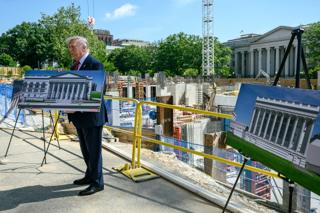
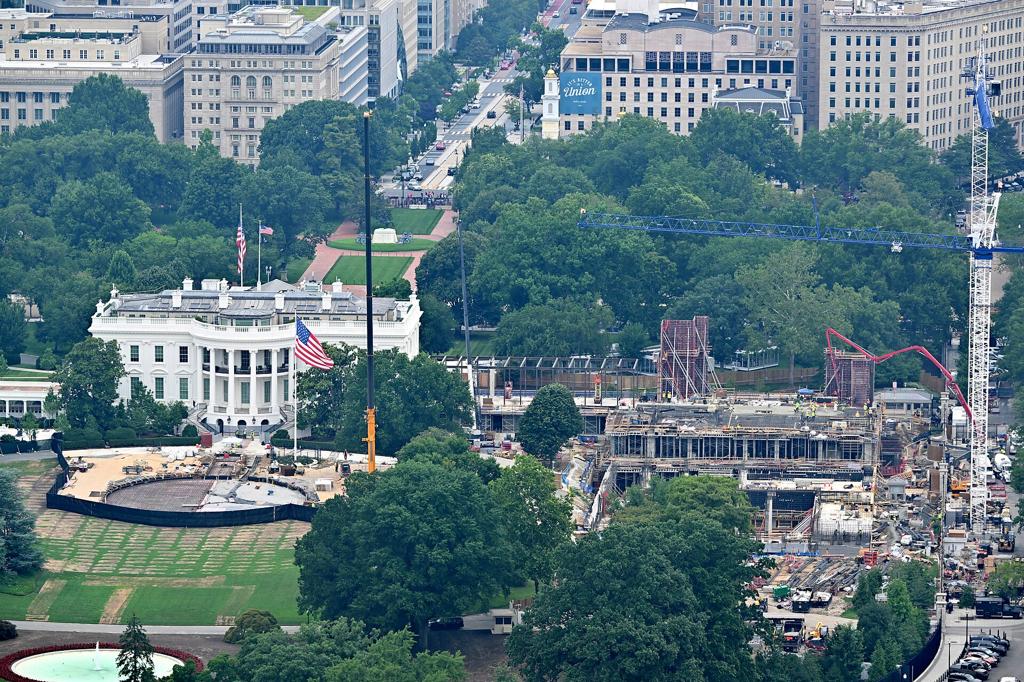
The conflict began when D.C. District Senior Judge Richard Leon issued a preliminary injunction that barred above-ground work on the East Wing replacement project. Judge Leon’s order made an exception for construction deemed strictly necessary for White House safety, such as work on the underground bunker. However, the ballroom project, which has been visible in recent construction photos, was not included in this exception. The ballroom is part of a broader redevelopment plan that also includes a new helipad intended to support presidential transport.
DOJ’s Supreme Court Application
In its application to Chief Justice John Roberts, the DOJ described Judge Leon’s injunction as “extraordinary and unlawful.” The department argued that the new East Wing complex, including the ballroom, is “vitally required by national security.” According to the DOJ, the injunction would improperly place the responsibility for determining necessary security measures in the hands of a single district judge, rather than the executive branch, which is charged with protecting the president, his family, staff, and visiting dignitaries. SCOTUS application
The DOJ’s filing cited a series of recent assassination attempts against President Trump, including incidents at the White House Correspondents’ Dinner, the White House complex, and other locations. These incidents, according to the DOJ, demonstrate the need for enhanced security measures at the White House. The department stated, “The updated East Wing complex is absolutely required and should not be enjoined.”
Judge Neomi Rao of the D.C. Circuit, in her dissenting opinion, argued that the district court had prioritized the “aesthetic displeasure of a single passerby” over the government’s security interests. She further noted the risks associated with leaving an open construction site at the President’s residence and office. Judge Rao’s dissent was cited by the DOJ to support its position that the injunction should be vacated.
The DOJ also pointed to what it described as “glaring” legal errors in both Judge Leon’s ruling and the D.C. Circuit’s 2-1 decision to uphold the injunction. The government’s argument relies heavily on Judge Rao’s dissent, which asserted that the National Trust for Historic Preservation, the plaintiff in the case, lacked standing to challenge the construction project.
Legal and Political Stakes
The National Trust for Historic Preservation, which initiated the lawsuit, contends that the White House expansion threatens the historic character of the property and cannot proceed without congressional approval. The Trust has argued that the project would alter the appearance and significance of the White House, a site of national historic importance.
Chief Justice Roberts has ordered the National Trust to respond to the DOJ’s emergency application by noon Eastern Time on Tuesday. Supreme Court docket
The case has attracted significant attention as part of a broader pattern of legal challenges to executive actions. The administration has characterized recent lower court rulings as examples of judicial overreach by “activist” judges. The split decision by the D.C. Circuit panel, along with Judge Rao’s strong dissent, highlights the legal uncertainty and the high stakes involved in the dispute over the White House expansion.
Next Steps in the Case
Chief Justice Roberts is expected to review the government’s emergency application after receiving the National Trust’s response. The Supreme Court’s decision will likely determine whether construction on the White House ballroom and related facilities can resume or must remain halted while litigation continues.
The White House has not publicly addressed the criticism from preservation advocates or commented on the pending litigation. The outcome of the Supreme Court’s review could have significant implications for the balance of power between the executive branch and the judiciary, as well as for the future of the White House redevelopment project.