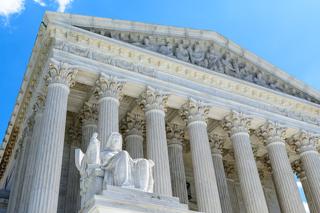
The U.S. Supreme Court on Friday temporarily stayed a lower court injunction that had blocked President Trump’s White House ballroom and East Wing construction, permitting the project to move forward while the legal dispute continues.
Explainer Understanding the Supreme Court’s Impact on Law and Liberty
The decision, issued by Chief Justice John Roberts, suspends an April order from D.C. District Court Senior Judge Richard Leon. Judge Leon had argued that the privately funded project lacked congressional authorization. The Supreme Court’s stay will remain in effect until the justices take further action, according to the official docket.
Background of the Dispute
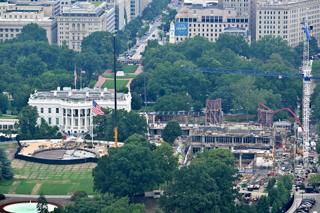
The case centers on whether the Trump administration can proceed with above-ground construction at the White House complex. The administration has described the project, which includes a new ballroom and updates to the East Wing, as necessary for security. Opponents, led by the National Trust for Historic Preservation, argue that such construction requires explicit approval from Congress and could harm the historic character of the White House grounds.
The National Trust for Historic Preservation, the lead challenger in the case, contends that the construction could irreversibly alter the historic site. The Trust and other critics have expressed concern that the project, if allowed to proceed without congressional oversight, could set a precedent for future alterations to the White House complex without adequate review or public input.
Timeline of Legal Proceedings
Earlier this month, a three-judge panel of the D.C. Circuit Court of Appeals declined, in a 2-1 decision, to lift Judge Leon’s injunction. The majority of the panel upheld the lower court’s order, while one judge dissented, indicating a division among the appellate judges regarding the necessity of congressional authorization for the project.
Following the appellate court’s decision, the Trump administration appealed to the Supreme Court. The administration submitted its application for a stay on August 13. The National Trust for Historic Preservation filed its response on August 18. The Supreme Court’s docket also shows that several amicus briefs were submitted by outside groups and members of Congress, reflecting the broader interest and potential implications of the case.
Arguments from Both Sides
In its application to the Supreme Court, the Trump administration argued that Judge Leon’s order was “unlawful” and would improperly give a single district judge authority over what construction is “strictly necessary” for presidential security. The administration’s filing cited a series of recent threats and attempts on President Trump’s life, including incidents at the White House Correspondents’ Dinner, the White House complex, and other locations. The government maintained that the construction is essential to protect the safety of the president, his family, staff, and visiting dignitaries.
"The updated East Wing complex is absolutely required and should not be enjoined."
— Trump administration filing
The administration also argued that the National Trust for Historic Preservation lacked standing to bring the lawsuit, calling the district court’s ruling legally flawed. According to the government, the urgency of the security upgrades outweighs the procedural objections raised by the challengers.
On the other hand, the National Trust for Historic Preservation and its supporters have argued that the project’s scale and location require congressional authorization. They warn that bypassing this process could undermine protections for the White House’s historic integrity. The Trust has also raised concerns about the lack of transparency and public input regarding the project’s design and potential impacts.
Lower Court Rulings
Judge Leon, who was appointed by President George W. Bush, found that the project could not proceed without explicit approval from Congress. In his April order, he emphasized the importance of maintaining legislative oversight over significant changes to the White House complex. The D.C. Circuit panel’s majority agreed with this assessment, upholding the injunction that halted construction. However, the dissenting judge argued that the executive branch should have greater discretion in matters related to presidential security.
Supreme Court’s Temporary Stay
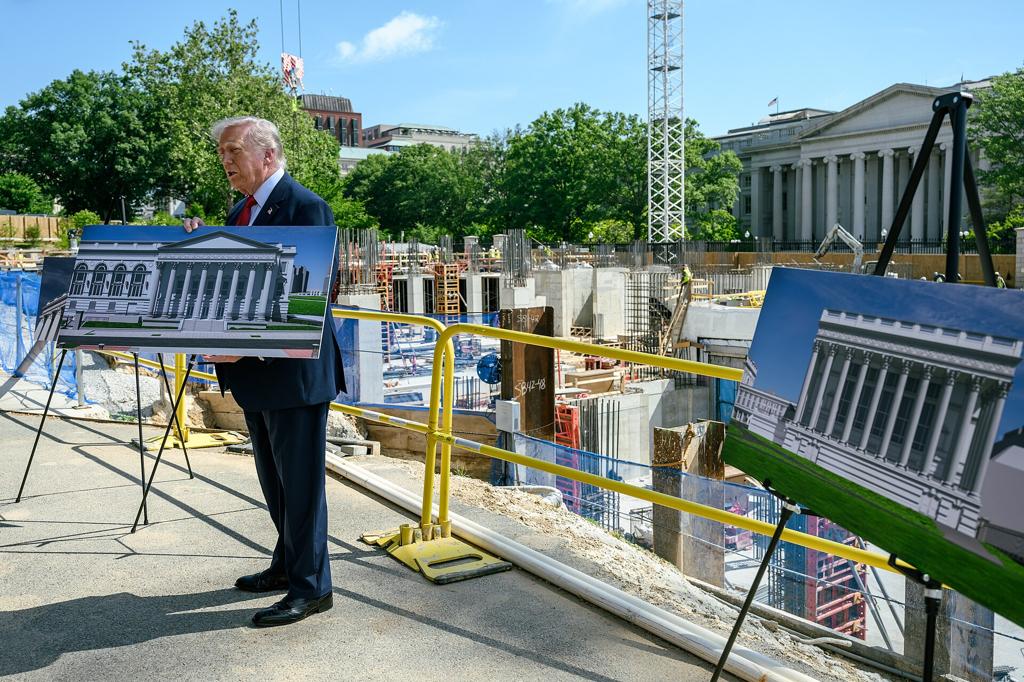
The Supreme Court’s stay allows construction to continue for now, as seen in official photographs of President Trump visiting the site in May. The order does not resolve the underlying legal questions but gives the justices more time to consider the administration’s arguments and the challengers’ response. The justices have not set a timeline for their next steps in the case, and the stay will remain in effect pending further order from the Court or the Chief Justice.
The National Trust for Historic Preservation and other critics have not yet commented publicly on the Supreme Court’s decision. Supporters of the project argue that security needs justify the expedited construction, while opponents warn of potential impacts on the White House’s historic integrity and the precedent such action could set.
Next Steps
The Supreme Court’s intervention means that the legal battle over the White House ballroom and East Wing construction will continue. The stay is temporary and does not indicate how the justices might ultimately rule on the merits of the case. For now, the Trump administration is permitted to move forward with the project, but the outcome remains uncertain as the nation’s highest court weighs the arguments from both sides.
The Supreme Court has not provided a specific timeline for when it will revisit the case. The stay will remain in place until the Court or Chief Justice Roberts issues a further order. Observers expect further filings and possibly oral arguments before a final decision is reached.