Understanding the 2020 U.S. Election Controversies and Legal Battles
An in-depth explainer on the 2020 U.S. presidential election, covering key legal challenges, investigations, and the impact on electoral integrity.
Additional reporting by Liam Walker, Alex Monroe
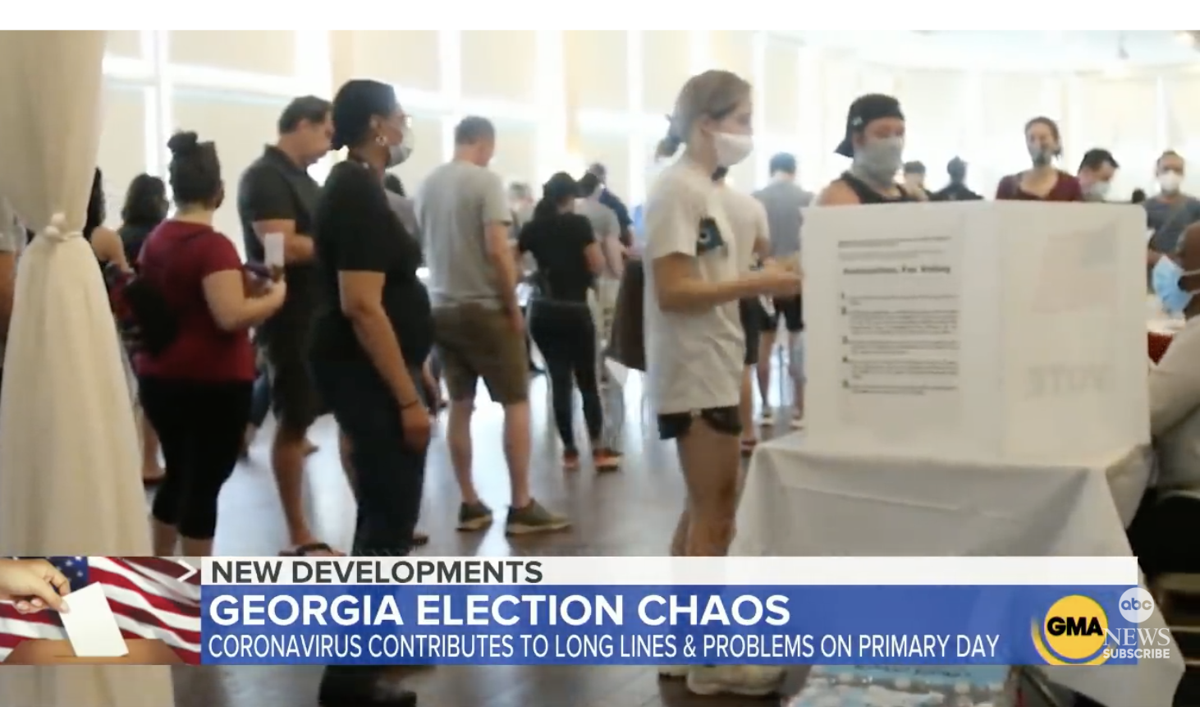
The 2020 Election Landscape and Political Climate
The 2020 U.S. presidential election unfolded under circumstances unlike any in modern American history. The convergence of the COVID-19 pandemic, escalating political polarization, and broad shifts in election administration created an environment ripe for intense scrutiny. At the heart of the contest, incumbent President Donald Trump faced off against former Vice President Joe Biden in a high-stakes battle for the White House. Elevated health concerns prompted expansive adoption of mail-in voting and early voting options nationwide, fundamentally changing traditional voting methods.
This broader adaptation, while lauded by election officials as necessary for public safety, became a focal point of contention. Critics and supporters clashed over the integrity and security of mail-in ballots, the pace and transparency of vote counting, and the legitimacy of sudden procedural changes enacted under emergency conditions. These debates unfolded in a hyper-partisan atmosphere, further fueled by President Trump's repeated claims of election fraud even before vote counting was complete. Ultimately, Biden was certified as the winner and inaugurated, but the post-election period bore deep fractures, characterized by numerous legal challenges and public unrest that raised critical questions about election integrity and democratic resilience in America.
"The 2020 election controversies reveal enduring tensions over election law and democratic legitimacy without substantiating claims of widespread fraud."
Legal Investigations and Indictments Related to 2020
Following the election, the federal government and state authorities engaged in a series of rigorous investigations addressing allegations tied to electoral misconduct and efforts to interfere with the vote certification process. The Department of Justice (DOJ) emerged as a leading agency in scrutinizing activities directed at overturning certified election results, including examining communications and coordination among political operatives, officials, and private citizens involved in the contestation efforts.
A pivotal moment came in August 2023, when former President Donald Trump was indicted on charges of conspiracy to defraud the United States and obstruction of an official proceeding. The indictment centered on a coordinated scheme to challenge and obstruct the lawful counting of electoral votes, focusing on events that unfolded in critical swing states. Alongside Trump, numerous associates faced charges related to attempts to overturn the election outcome, highlighting the breadth of the legal probe into post-election conduct.
At the state level, the Attorney General of Arizona conducted an exhaustive inquiry aimed at investigating claims of widespread voter fraud asserted by partisan audits, particularly those led by Cyber Ninjas. The early 2023 report concluded there was no evidence supporting mass fraud allegations or procedural violations that would have altered the election results. This finding directly contradicted narratives promoted by audit proponents, illustrating a consistent pattern wherein state investigations often refuted large-scale fraud claims.
Other legal proceedings include appeals taking place before state supreme courts, such as a challenging Wisconsin case involving controversial election law practices and attorneys. These ongoing litigations underscore the complex interplay between local statutes, election administration norms, and judicial oversight, revealing persistent legal contestations long after the ballots were counted.
Judicial Decisions on Election Law and Authority
Post-election litigation turned national attention to the judiciary's role in election governance. A landmark United States Supreme Court decision emerged in Moore v. Harper, where the Court decisively rejected the 'independent state legislature' theory. This legal argument posited that state legislatures hold unchecked authority over federal election laws, effectively circumventing review by state courts and other check mechanisms. By a 6-3 vote, the Court affirmed that state courts retain critical jurisdiction to interpret and invalidate state election laws that conflict with state constitutions, preserving judicial review as a vital balance in election administration.
The Moore decision carries enduring significance for election law, fortifying judicial checks on legislative power within states. It delineates legal boundaries ensuring no single branch wields unilateral control over federal election procedures—a subject hotly debated in political and legal circles. The ruling thus provides a framework that shapes future disputes over election rules and highlights the multilayered nature of election governance in the United States.
At the state level, electoral litigation remains active and highly consequential. For instance, the Georgia Supreme Court upheld the disqualification of Fulton County District Attorney Fani Willis from pursuing certain election-related prosecutions against the former president, a ruling that impacts ongoing investigations and shapes prosecutorial authority. Similarly, courts in Michigan dismissed charges against several Trump electors accused of submitting unauthorized certifications, illustrating the courts’ critical role in arbitrating procedural disputes surrounding the 2020 certification processes.
Collectively, these decisions emphasize the judiciary’s central position as an arbiter of election controversies, balancing legal standards, procedural fairness, and democratic principles amid competing partisan interests.
Election Administration Controversies and Evidence Reviews
Election administration, from ballot handling to certification protocols, has faced intensive scrutiny, particularly in battleground jurisdictions. Fulton County, Georgia—home to Atlanta and an election hub—emerged as a focal point of federal investigation. The FBI undertook an inquiry into allegations of irregularities in ballot processing and election procedures during the 2020 cycle. While no definitive link to altered outcomes has been established, the probe reflects official concern regarding adherence to procedural safeguards in critical counties.
One salient revelation came when the Fulton County Election Board publicly admitted in late 2025 that over 315,000 votes, including a significant number of early ballots, had been certified without proper procedural adherence. This situation stemmed from deviation from established certification rules, raising questions about systemic vulnerabilities within election administration workflows. The board acknowledged that these lapses constituted unlawful certification under applicable Georgia law. This admission has galvanized discussions about improving procedural rigor and oversight in future elections to safeguard voter confidence.
Compounding worries in Fulton County, election officials have grappled with the inexplicable disappearance of 'zero tapes'—the initial printouts documenting voting machine counts before ballots are processed. These tapes represent crucial audit tools to verify vote totals, and their absence has fed concerns and calls for transparency, although investigations have yet to conclusively demonstrate intentional misconduct. The loss illustrates practical challenges in preserving election documentation and underscores the complexity of managing modern voting systems.
Local, state, and federal election authorities have since initiated reforms aimed at bolstering ballot tracking, certifications, and machine audits to avoid reoccurrence. Despite no conclusive evidence that these administrative failures affected election outcomes, the procedural questions raised continue to fuel wider debates about election integrity and system vulnerabilities.
The Broader Political and Legal Context
The legal and administrative controversies surrounding the 2020 election intersect with broader political and institutional dynamics. Executive clemency has emerged as a noteworthy facet, with former President Trump issuing pardons to dozens of individuals charged in election-related investigations. These pardons triggered discussion over the appropriateness and potential political motivations behind such broad use of presidential clemency, especially when applied to cases linked to disputed electoral conduct.
On the policy side, election boards have ventured into adjusting voting rules amid the heightened scrutiny. The Georgia Election Board, reacting to public concern and procedural reviews, formally requested the state legislature to discontinue no-excuse mail-in voting. This policy stance represents a significant shift in election administration philosophy, reflecting evolving attitudes about balancing access and security in voting processes.
Simultaneously, Congressional oversight has engaged closely with post-election investigations. Prosecutors involved in key probes have testified before the House Judiciary Committee amid intense media coverage, spotlighting investigative priorities, evidentiary thresholds, and institutional responses to electoral controversies. These public hearings contribute to transparency but also illustrate how election disputes have become enmeshed in wider partisan and institutional tensions.
This intersection of legal battles, policy debates, congressional scrutiny, and media attention frames the 2020 election aftermath as a sustained national dialogue about democratic legitimacy, accountability, and the mechanisms designed to secure free and fair elections.
Remaining Disputes and the Ongoing Debate
Despite numerous thorough investigations, judicial rulings, and administrative reforms, significant disputes over the 2020 election outcome and integrity persist among varying political constituencies. Advocates of fraud claims continue to point to procedural gaps, missing documentation, or perceived governmental overreach as evidence undermining trust in the electoral process. Conversely, election officials, courts, and independent auditors uphold consistent findings that no widespread or outcome-altering fraud has been demonstrated.
Issues such as missing voting machine records, early ballot certification irregularities, and contentious prosecutions of political operatives ensure these debates remain salient in American public discourse. The lasting impact is visible in policy proposals emphasizing election transparency, audit protocols, and voting access reforms aimed at restoring or improving public confidence without compromising security or inclusion.
Future elections will likely incorporate lessons gleaned from the 2020 controversies, as lawmakers, election administrators, and courts navigate a landscape where legal precedent, political pressure, and public expectations converge. The endurance of the electoral system amid these challenges provides insights into both the resilience and vulnerabilities inherent in democratic governance.
Ultimately, the 2020 election experience serves as a cautionary and instructive chapter in U.S. democracy—illustrating how legal frameworks, procedural adherence, and institutional checks combine to uphold legitimate outcomes even amid profound political division.
-
The Department of Justice's ongoing probe reflects the sustained focus on accountability and legality in post-election conduct.
-
State Supreme Courts remain key arbiters of election law and certification challenges, as seen in various high-profile cases.
-
Local election boards are under increased pressure to improve procedures and communication.
-
The evolving legal landscape continues to shape how elections are conducted and contested in the United States.
Readers seeking further context can reference our reports on the Arizona AG planning new indictments, the ongoing FBI investigations in Fulton County, and the Wisconsin election lawyer appeal. Coverage of Fulton County’s ballot certification issues and the Georgia Election Board’s mail-in voting request provide additional valuable perspectives on election integrity debates.
Frequently asked questions
What triggered the legal investigations after the 2020 election?
Allegations of widespread voter fraud and irregularities prompted the Department of Justice and state authorities to examine the conduct surrounding the election and vote certification.
Did courts find evidence supporting claims of election fraud?
No credible evidence was found to support claims of systemic fraud; multiple courts dismissed lawsuits and investigations reaffirmed the integrity of the vote.
What is the 'independent state legislature' theory?
It is a legal argument suggesting state legislatures have exclusive authority over federal election rules, bypassing courts, which the Supreme Court rejected in Moore v. Harper.
How did Fulton County become central to election integrity disputes?
Fulton County faced investigations due to procedural irregularities in ballot certification and missing crucial voting machine records, drawing federal and state scrutiny.
What role has the DOJ played post-election?
The Department of Justice has conducted investigations and pursued indictments against individuals accused of attempts to unlawfully overturn election results.
Have any election-related charges been dismissed?
Yes, for example, a Michigan judge dismissed charges on 2020 Trump electors, reflecting ongoing legal contestation around election prosecutions.
Did policy changes arise due to the election controversies?
Some election boards, like Georgia’s, have called for restricting or ending no-excuse mail-in voting in response to these controversies.
Are investigations into the 2020 election complete?
No, investigations and legal proceedings continue, addressing remaining questions and accountability concerns related to the election.
Timeline of our coverage
- 2026-06-05 — Arizona AG Kris Mayes Plans New Indictment in Trump Electors Case
- 2026-03-12 — Wisconsin Supreme Court to Consider Appeal in Controversial Election Lawyer Case
- 2026-02-10 — FBI Investigates Fulton County's 2020 Election Administration Amid Claims of Irregularities
- 2026-01-30 — Fulton County Election Board Unable to Locate Missing 'Zero Tapes' from 2020 Election
- 2026-01-21 — Jack Smith to Testify Before House Judiciary Committee Amid Controversy
- 2025-12-23 — Fulton County Acknowledges Unlawful Certification of Early Ballots in 2020 Election
- 2025-12-17 — Fulton County Admits 315,000 Votes Lacked Proper Certification in 2020 Election
- 2025-11-14 — Trump's 'Complete' Pardons Cover Bogus State Election Charges
- 2025-11-10 — Trump Pardons 77 Citizens Targeted By Dems In Election Lawfare
- 2025-10-30 — GA Election Board Asks State To End No-Excuse Mail-In Voting
- 2025-10-08 — Government Censorship of Americans Discussed in Senate Hearing
- 2025-09-16 — Georgia Supreme Court Upholds Disqualification of Fani Willis in Trump Case
- 2025-09-10 — Michigan Judge Dismisses Charges Against 2020 Trump Electors
The Bottom Line
- Understanding the 2020 election aftermath is vital for assessing the integrity of American democracy.
- Legal rulings from this period set precedents on state versus federal election authority.
- Investigations illuminate how electoral processes can be subject to scrutiny and reform demands.
- The controversies have driven policy discussions on voting methods like mail-in ballots.
Sources
- FEC
- Axios.com: Trump 2020 Election Indictment Jan 6 (Aug 02, 2023)
- Keystonenewsroom.com: Supreme Court Strikes Down Fringe Theory That Trump Tried To Use To Overturn 2020 Election (Jun 27, 2023)
- Apnews.com: 55d9a729d412ef45ba234d5397cc8839
- Pbs.org: Prosecutors Say Trump Knew His Lies About 2020 Election Were False