Understanding Terrorism in America: Legal, Political, and Security Challenges
A comprehensive and authoritative explainer on terrorism in the U.S., covering domestic threats, legal frameworks, and political responses shaping national security.
Additional reporting by Liam Walker, Oliver Brown
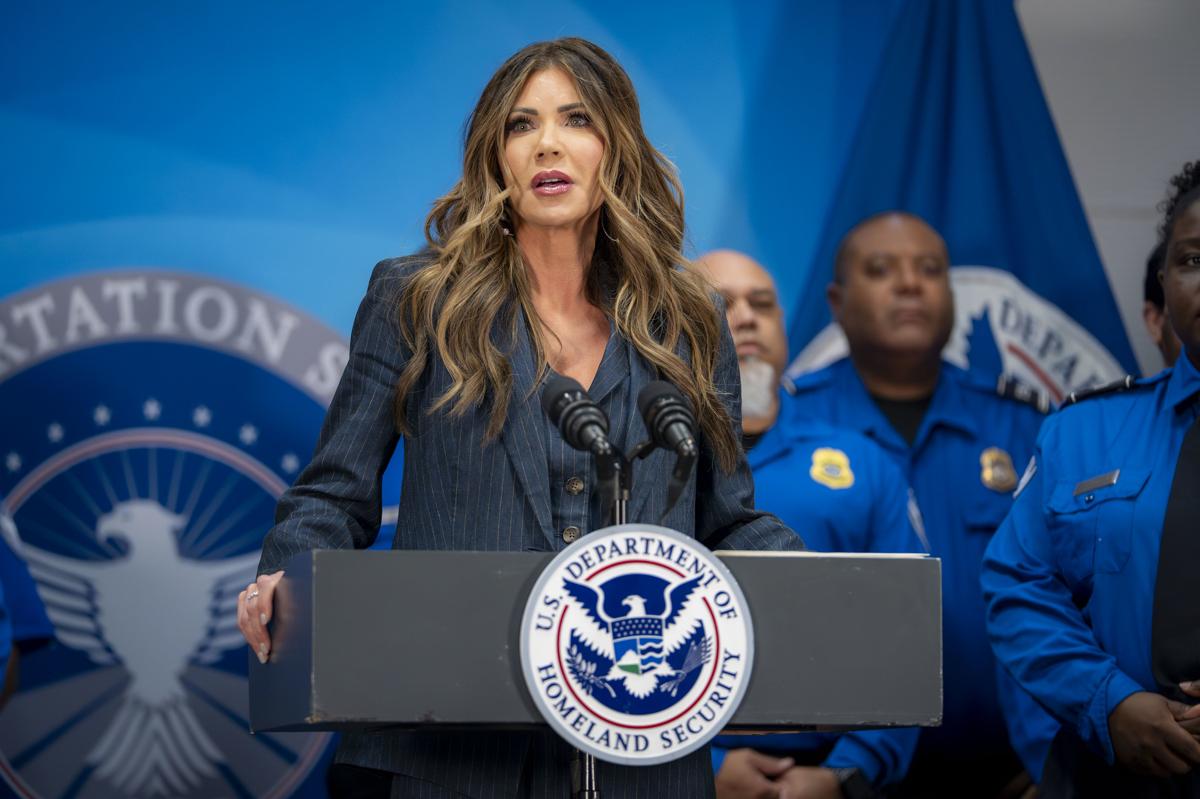
Terrorism remains one of the most pressing national security challenges confronting the United States today. While the nature of terrorist threats continually evolves, with both foreign and domestic elements at play, the American government and civil society face complex questions about how best to detect, prevent, and respond to these dangers. A strong conservatism-inflected understanding of terrorism emphasizes vigilance, legal clarity, and robust law enforcement capabilities to safeguard communities and preserve fundamental freedoms.
This explainer offers a deep dive into terrorism within the U.S. context, focusing on the interplay between political actions and security responses. It explores the nature of terrorist organizations, government oversight of suspected entities, and the ongoing debate surrounding the balance between civil liberties and effective counterterrorism measures. Grounded in documented investigations and legislative efforts, this article provides a foundational resource for readers seeking clarity on one of the most critical threats facing the country today.
The Complexity of Terrorism and Domestic Security Threats
"Terrorism exploits legal and political cracks—only decisive oversight and strong enforcement will safeguard America’s freedom and security."
Terrorism in the U.S. is no longer limited to foreign actors crossing borders or orchestrating attacks remotely. Increasingly, threats emerge from domestic groups and lone actors motivated by a variety of ideological positions, making detection and prevention a multifaceted challenge. The rise of extremist movements on both ends of the political spectrum has complicated law enforcement priorities and compelled new legal and operational frameworks for counterterrorism activities.
Law enforcement agencies such as the FBI and Department of Homeland Security have amplified efforts to disrupt plots and monitor suspicious activity. A recent example includes the thwarting of a terror plot targeting a UFC event near the White House, showcasing real-time challenges federal agencies face in securing public spaces from violent extremists FBI disrupts terror plot. These unrests underscore the lethality and unpredictability of terror threats even in well-protected environments.
The dynamics of domestic terrorism are further complicated by the difficulty in legally designating certain groups as terrorist organizations under U.S. law. While foreign entities like Hamas or al-Qaeda are formally designated by the State Department's FTO list, homegrown groups require meticulous investigation and extensive legal processes to label. Controversies and debate arise especially regarding left-wing militant cells such as Antifa, which received formal domestic terrorist designation during the prior administration amid nationwide protests and violence Trump designates Antifa.
Meanwhile, violent acts like the recent bombing attempt in New York City illustrate the persistent risk posed by radicalized individuals and cells. Although law enforcement moves swiftly to categorize these attacks, the root causes — including political polarization, social grievances, and ideological extremism — remain deeply entrenched bomb thrown at protest investigation.
Legislative and Investigative Actions Targeting Terrorist Influence
Beyond reactive law enforcement, Congress has proactively sought to address the funding and operational infrastructure that enables terrorist-linked organizations to function within the United States. The House Ways and Means Committee has taken a leading role in scrutinizing nonprofit groups suspected of harboring or financing terror activities under the guise of charitable work. In September, the Committee referred the Middle East Children's Alliance (MECA) to the IRS for investigation following evidence of its alleged ties to the Popular Front for the Liberation of Palestine (PFLP), a U.S.-designated Foreign Terrorist Organization House Ways Means probe.
MECA's financial records revealed a substantial uptick in foreign grants—over $10 million in one fiscal year—that lack transparency about recipients or specific purposes. This opaqueness raises fundamental concerns about potential foreign influence penetrating nonprofit sectors vital to civic society and potentially funding activities contrary to U.S. interests. The Committee has pushed for legislative reforms requiring tax-exempt organizations to disclose foreign donations and provide full transparency about fiscally sponsored projects as a preventative measure.
The proposed legislation also targets the problematic practice whereby charitable organizations accepting foreign funds subsequently donate to political committees, a loophole that could enable foreign interference in domestic elections. Penalties and revocation of tax-exempt status are proposed to reinforce accountability and protect the integrity of the American political process bill approved to boost transparency.
These congressional efforts underscore a bipartisan recognition that terrorism is not only a security threat but a political and financial one — where foreign terrorist entities exploit the American legal system and charitable infrastructure to advance their radical agendas. While some progressive voices argue these measures risk stigmatizing legitimate advocacy or charitable work, conservatives rightly prioritize national security and urge rigorous enforcement to stem abuse.
The Intersection of Terrorism and Immigration Policy
Immigration remains a thorny issue intertwined with terrorism concerns in the U.S. Lawmakers have debated how to reform legal immigration pathways in light of recent terror-related attacks linked to immigrants or refugees. Senator Eric Schmitt notably called for reforms that enhance security vetting and ensure that immigration policies do not inadvertently increase risks to public safety Schmitt calls for immigration reform.
The political ramifications of these security-linked immigration debates extend to public discourse and policymaking, especially after incidents like the Bondi Beach terror shooting overseas which ignited global conversations about radicalization and immigration controls terror attack sparks immigration debate. Domestically, such concerns resonate deeply with conservative constituencies seeking stronger border security and more stringent background checks as essential counterterrorism tools.
Skeptics argue that linking terrorism too directly with immigration risks alienating immigrant communities, who are overwhelmingly peaceful and contribute positively to society. Nonetheless, conservative perspectives advocate that national security must be the paramount consideration, with reforms targeting loopholes in visa programs and better monitoring of asylum processes. This approach aims to prevent dangerous individuals from gaining entry under humanitarian or other legal pretenses and underscores that security and sovereignty are inseparable.
Radicalization, Ideology, and Threats from Domestic Extremism
One of the most urgent challenges in confronting terrorism is addressing the ideological drivers that foster radicalization domestically. Terrorism is often fueled by extremist ideologies that exploit grievances — from religious fundamentalism to violent left-wing or identity-based movements. The assassination attempt linked to transgender ideology motives illustrates this alarming trend of radical extremism overriding political or social dialogue Kirk assassination links. This development signals a dangerous migration of ideology-driven violence into mainstream conflicts.
State and federal authorities have struggled to keep pace with rapidly evolving extremist networks, especially those overlapping with social or political movements. The designation of groups like Antifa as domestic terrorist organizations reflects an attempt to clearly define elements responsible for increasing violence and riots. Conservative demands for decisive government action emphasize the necessity of crushing such militant cells decisively rather than merely condemning their acts rhetorically time to crush Antifa.
Maintaining public safety while respecting constitutional rights creates a delicate political balance. Yet, vigilance against extremism based on ideology is critical to preserving law and order and preventing attacks against civilians, law enforcement, and public institutions. The political right advocates for empowering law enforcement and intelligence agencies with the tools and authority required to dismantle these threats swiftly and transparently.
Challenges in Intelligence and Counterterrorism Funding
The federal government's intelligence and counterterrorism apparatus is extensive but has repeatedly faced criticism for inefficiencies and wastefulness in allocation of taxpayer funds. For instance, the Department of Homeland Security's intelligence division has expended hundreds of millions of dollars, raising questions about fiscal responsibility without proportional gains in actionable intelligence Homeland Security costs. Conservatives argue that these financial challenges require a refocusing on effective, results-oriented programs rather than diffuse bureaucratic spending.
At the same time, congressional oversight aims to improve transparency and accountability within counterterrorism agencies, demanding clear benchmarks and results to justify public expenditures. Such scrutiny is necessary to prevent resources from being squandered and to ensure that agencies target the most dangerous threats with efficiency. Taxpayers deserve security without unnecessary bureaucratic bloat.
Knowing where intelligence dollars flow and how agencies coordinate operations with local law enforcement is vital to crafting sound counterterrorism policy. Reforms include incentivizing better information sharing, innovation in threat detection, and collaboration with the private sector to secure critical infrastructure. This multifaceted approach bolsters national security while respecting constitutional limits and preventing government overreach.
Conservative Perspectives on Protecting Liberty Amid Terror Threats
From a conservative vantage point, protecting Americans from terrorism entails a careful defense of both national security and individual liberties. It insists on holding terror suspects accountable through the rule of law, rejecting knee-jerk erosions of freedoms while demanding robust actions against known and suspected terrorists. Leadership, such as seen in sharp calls for immigration reform and crackdowns on terror-linked nonprofits, reflects a commitment to securing the homeland first and foremost.
Opponents of tough counterterrorism policies sometimes emphasize civil liberties and warn against profiling or overregulation, fearing government overreach and abuses of power. Conservatives acknowledge these debates but maintain that freedoms lost to terrorist attacks cannot be regained once sacrificed. Therefore, a proactive, uncompromising stance toward terror and its facilitators is necessary to preserve the Republic’s foundations.
Importantly, American resilience depends on acknowledging the real and diverse threats terror poses. Maintaining public support for law enforcement and legislative efforts rooted in transparency and accountability can unite the nation in confronting terrorism. As recent history threatens, the time for complacency is over. Vigilance, clear policy, and decisive action must guide efforts going forward.
Frequently asked questions
What defines domestic terrorism in the United States?
Domestic terrorism involves violent acts carried out by U.S. citizens or residents intended to intimidate or coerce a civilian population or influence government policy through intimidation or violence.
How do terrorist organizations exploit nonprofits in the U.S.?
Some terrorist-linked groups use tax-exempt nonprofit status to raise and funnel money under charitable pretenses without transparent reporting, enabling funding of extremist activities.
What legal tools exist to combat foreign terrorist influence in America?
Congress has passed and proposed laws requiring nonprofits to disclose foreign contributions and forbidding those funds from indirectly supporting political committees to prevent foreign election interference.
Why is immigration policy linked to counterterrorism efforts?
Terrorists and affiliates have exploited legal immigration processes to enter the U.S., prompting calls for reforms that strengthen vetting and reduce vulnerability to infiltration.
What challenges do intelligence agencies face in counterterrorism?
Agencies struggle with resource allocation, effective information sharing, and delivering actionable intelligence costs while balancing civil liberties and avoiding wasteful spending.
How do conservatives propose balancing security and liberty?
They support strong law enforcement and legislative measures against terror threats, insisting on protecting freedoms through the rule of law while combating extremist violence decisively.
What recent terror attacks have raised concerns about radicalization?
Attacks such as the Bondi Beach shooting and attempted bombings in urban protests underscore persistent threats motivated by extremist ideologies on multiple fronts.
Timeline of our coverage
- 2026-10-08 — Indiana AG Probes CAIR, SJP for Possible Terrorist Ties Under New State Law
- 2026-09-07 — House Ways and Means Probe Spurs Nonprofit Shakeups Over Terror, Foreign Influence Ties
- 2026-06-16 — FBI Disrupts Alleged Terror Plot Targeting UFC Event at White House
- 2026-03-13 — Sen. Schmitt Calls for Reform of Legal Immigration System After Recent Attacks
- 2026-03-13 — Recent Terror Attacks Renew Debate on Legal Immigration Risks
- 2026-03-09 — 'Homemade Bomb' Thrown at NYC Protest, Authorities Investigate Possible Terrorism
- 2025-12-17 — Terror Attack at Bondi Beach Sparks Debate on Immigration Policies
- 2025-12-15 — Shooting at Bondi Beach Kills 15, Raises Concerns Over Radicalization
- 2025-11-20 — Homeland Security's 'Intelligence' Office Costs Taxpayers $348M
- 2025-11-12 — After MI Terror Threat, Dearborn Councilman Won't Criticize Hamas
- 2025-10-16 — DOJ Brings Terrorism Charges Against 'Militant' Antifa Cell
- 2025-09-25 — The Time For Talk Is Over, Trump Needs To Crush Antifa Now
- 2025-09-24 — Trump Designates Antifa as Domestic Terrorist Organization Amid Protests in Oregon
- 2025-09-18 — Trump Announces Designation of Antifa as Terrorist Organization
- 2025-09-11 — Docs Indicate Charlie Kirk Assassin Was Motivated By Transgender Ideology
The Bottom Line
- Terrorism uniquely threatens both national security and civil liberties, demanding careful but firm government action.
- Foreign and domestic terror groups exploit nonprofits and legal loopholes to fund and facilitate extremist activities.
- Immigration policy reforms are central to preventing terror-linked individuals from entering or exploiting legal pathways.
- Strong intelligence and law enforcement coordination are essential to detect and disrupt evolving terror threats.


Sources
- Ways & Means Republicans Move to Strip Tax-Exempt Status from Nonprofit with Suspected Terrorism Ties
- Ways & Means Committee Approves Legislation Boosting Transparency & Accountability in Tax-exempt Sector, Preventing Foreign Influence in American Politics, & Protecting Religious Freedom
- Chairman Smith Calls for States to Investigate Nonprofits Engaged in Antisemitic and Illegal Activity, including Supporting Terrorism
- House Democrats Block Bill Cracking Down on Support for Terrorism by Tax-Exempt Organizations & Providing Relief from Tax Penalties for American Hostages
- Waysandmeans.house.gov: Committee Republicans Take Aim At Foreign Funding Influencing U S Elections And Policy Through Tax Exempt Organizations (May 13, 2024)
- Waysandmeans.house.gov: Ways And Means Republicans Call For Rigorous Oversight Of U S Tax Exempt Organizations With Suspected Ties To Chinese Communist Party (Apr 24, 2024)
- Waysandmeans.house.gov: Six Key Moments Hearing On Foreign Influence In American Non Profits Unmasking Threats From Beijing And Beyond (Feb 12, 2026)
- Waysandmeans.house.gov: Full Committee Hearing On Foreign Influence In American Non Profits Unmasking Threats From Beijing And Beyond
- Bricker.com: House Ways And Means Committee Holds Hearing On Foreign Influence In U S Nonprofits
- Apnews.com: F9f5cfad4ea64c0745313a0b8a84fccf