Censorship in the Digital Age: Balancing Free Speech and Information Control
Explore the complex landscape of censorship, from government mandates to digital platform policies, and the ongoing debate about free speech and regulation.
Additional reporting by Liam Walker, Alex Monroe

Censorship stands at the crossroads of liberty and control, an enduring struggle that has intensified with the rise of digital communication. Historically, societies grappled with what speech to permit or suppress based on the values and security concerns of the day. Today’s media environment, shaped by sprawling internet platforms and the democratization of information dissemination, presents a far more complex and contentious terrain. The clash over censorship is no longer confined to governments alone but involves private corporations, technological instruments, and the public’s role in defending free expression.
Americans now navigate a media ecosystem where censorship can manifest as government mandates, corporate content moderation, algorithmic deboosting, or voluntary silence by individuals wary of backlash. This ecosystem underscores key questions: Who gets to decide what speech is acceptable? How do we ensure constitutional liberties while managing harmful or illegal content? And how do conservatives protect their voices from disproportionate suppression in this evolving battleground? This explainer provides a thorough examination of these dynamics, highlighting the critical points at which technology, law, and ideology intersect.
Historical Context of Censorship and Free Speech
"The battle over censorship is fundamentally a fight to preserve free speech against an expanding global web of government and corporate control."
Censorship is ingrained in human history, often justified by protecting societal order, morality, or state security. The United States Constitution’s First Amendment enshrines free speech as a fundamental right, but it historically acknowledges limits where speech could incite imminent harm — such as inciting violence or jeopardizing national safety. In the pre-digital era, censorship tended to operate through identifiable actors: governments, publishers, or broadcasters, whose policies and decisions were subject to public scrutiny and legal challenges.
With the proliferation of digital platforms, the gatekeepers of speech have shifted dramatically. Instead of public officials or editorial boards, Silicon Valley corporations wield unprecedented power by controlling content visibility through algorithmic systems and content guidelines. This transformation complicates accountability and transparency because decisions are often opaque and influenced by subjective policies that vary widely between companies and contexts.
Moreover, the First Amendment restricts government interference in speech but does not apply to private entities, a legal nuance that has provided tech companies broad latitude to moderate content as they see fit. However, as these platforms become the de facto public square for discourse, this distinction fuels heated debates on whether governments should intervene to protect free speech. Key legal moments, such as a landmark settlement limiting government's role in content moderation, reinforce that both unchecked government involvement and unregulated corporate censorship pose threats to liberty.
Government-Imposed Censorship: National Security or Political Control?
Governments worldwide often justify censorship efforts as necessary instruments to preserve national security or combat misinformation that could disrupt social harmony. Yet this justification is vulnerable to misuse, enabling authorities to suppress dissenting voices or inconvenient political narratives. In Brazil, the Supreme Court’s 2025 suspension of Rumble services, demanding removal of certain accounts, exemplified a friction point where judicial action intersected with free speech claims. Rumble's legal challenge in U.S. courts asserts that such mandates constitute an unprecedented form of censorship threatening cross-border speech freedoms.
Within the U.S., federal government involvement in digital content regulation has sparked national controversy. Senate hearings have investigated allegations of censorship by authorities, with bipartisan voices—especially conservatives—warning of the government morphing into a content regulator. We reported on the Senate hearing addressing censorship allegations, highlighting concerns that government actions, under the cover of security or misinformation control, risk undermining the marketplace of ideas that sustains democracy.
Authoritarian regimes set starker examples of censorship excess, where suppression morphs into outright political control. China’s use of threats and secret police to cancel a foreign film festival, documented in our detailed coverage of Chinese government interference, illustrates the lengths to which governments will go to quash unapproved cultural and political expression. Likewise, Russia’s 2026 deployment of AI technology through Roskomnadzor to block VPN networks is a disturbing advancement in state censorship tactics. By analyzing connection metadata, the AI system disrupts VPN protocols, limiting citizens’ ability to bypass government controls, which profoundly endangers digital privacy and freedom.
Corporate Content Moderation and Its Discontents
In the absence of clear government regulation, corporate platforms have elevated themselves as arbiters of acceptable speech under the rubric of content moderation. Their stated goals—to combat misinformation, hate speech, and abuses—have undeniable merit. Yet, these policies often reveal discrepancies and biases, especially against conservative viewpoints. Google's public acknowledgment of throttling conservative content, as we reported, laid bare the partiality that many conservative commentators and activists experience firsthand.
The privatization of the digital public square through Big Tech’s policies effectively outsources censorship to entities that lack direct democratic accountability. This raises key ideological and legal alarms: policies that are inconsistent, vague, or unevenly enforced foster an environment where ideological conformity may be pressured rather than genuine dialogue encouraged. Platforms defend their role by citing liability protections and community standards, but the lack of transparency in enforcement threatens pluralism and free expression.
Recently, legal settlements, like the agreement limiting government’s role in social media moderation, seek to calibrate this balance. They assert that neither government mandates nor unchecked corporate censorship should dominate, invoking the shared responsibility to protect users’ speech rights while maintaining safe online environments. This hybrid approach recognizes the intricate nature of digital speech controls and the risk of power concentration in either sphere.
The Role of Technology in Expanding Censorship
Technology itself has become a critical vector for both enabling and intensifying censorship. Artificial intelligence, in particular, has provided government and corporate actors with powerful tools to scale content filtering and surveillance. Russia’s Roskomnadzor AI deployment to identify and block VPN connections is a paradigm of state-of-the-art censorship techniques. By analyzing network metadata patterns, the system interrupts VPN usage, severely infringing on the ability to access unfiltered information—a vital dimension of free speech in authoritarian contexts.
Similarly, social media platforms employ AI-driven content moderation algorithms intended to automatically flag or remove harmful material. While these systems are effective in many cases, they frequently overreach—misclassifying satire, political dissent, or legitimate expression as violations. This inadvertent censorship chills speech and suppresses viewpoints essential for a vibrant public discourse. Compounding these risks is the general public’s limited understanding of how pervasive digital surveillance and algorithmic moderation affect their everyday communications.
Moreover, awareness of pervasive surveillance and the threat of deplatforming provoke self-censorship, where individuals restrain their own expression to avoid real or perceived consequences. This quiet constriction may be less visible but is arguably more insidious, gradually narrowing public discourse. Addressing this requires a combination of transparency about algorithmic decision-making, legal protections against arbitrary censorship, and public education to reinforce the norms of free speech.
Conservative Perspectives and The Battle For Free Speech
Conservatives frequently highlight how censorship is weaponized to silence dissent and entrench certain political narratives, particularly progressive ones. Our coverage has documented numerous cases where left-leaning groups or entities use censorship tactics, raising alarms about fairness and ideological neutrality in public discourse, such as our report on concerns over political violence and censorship. This dynamic undermines the American principle of open debate as a safeguard against tyranny.
Many conservative voices face disproportionate moderation and deplatforming on major digital platforms. Testimonies from prominent conservative media leaders during congressional hearings, including the Federalist CEO’s account, illustrate how both government actors and Big Tech have contributed to this pattern. These realities have fueled calls for legislative safeguards that protect conservative speech from both government overreach and corporate bias.
Yet the conservative stance is not monolithic. Some within the movement emphasize a responsible approach that distinguishes between protecting free speech and addressing genuinely harmful misinformation or threats. This nuanced perspective insists on combating dangerous content without compromising constitutional protections, underscoring that principled free speech advocacy must engage with modern complexities.
The implications extend beyond U.S. borders. Figures such as Nigel Farage warn that censorship standards developed in the U.K. could influence American freedoms, a concern we explored in detail in our feature on Farage’s warnings. As global digital policy norms shift, the preservation of American free speech principles faces added external pressures.
The Way Forward: Protecting Liberty In A Complex Media Environment
Defending free speech in the digital age demands an active and multifaceted approach. Legal clarity is paramount—judicial rulings shaping the boundaries of speech across borders and within digital domains set critical precedents. The ongoing lawsuit by Rumble and Trump Media & Technology Group against overbroad censorship orders typifies how courts must navigate this evolving terrain. Coverage of Brazil’s intervention in the lawsuit illustrates the complex international legal interplay involving fundamental rights.
At the same time, public engagement is crucial. Transparency in content moderation practices must be a baseline requirement, allowing users to understand why their speech is restricted and providing accessible remedies for wrongful censorship claims. Supporting alternative platforms that champion free expression provides meaningful competition and choice in the digital marketplace of ideas.
It is equally vital to recognize legitimate concerns about truly dangerous content—terrorism, violent incitement, or credible threats. Narrow, clear regulations targeting such specific harms help prevent broad-based censorship abuses. Our reporting advocating that government focus on actual terrorist threats emphasizes this fine but necessary distinction.
Public education on media literacy, critical thinking, and understanding the mechanisms of digital censorship serves to empower citizens as guardians of liberty. When individuals comprehend the nuances, they are better equipped to resist overreach and demand accountability from both government and corporate actors.
Ultimately, censorship is more than a regulatory challenge—it is a pivotal battleground for the soul of democracy. In times of heightened political polarization and rapid technological change, defending free speech with unwavering dedication to constitutional principles is essential. The consequences of failing to do so threaten not just ideological victory but the very fabric of a free society.
Frequently asked questions
What is censorship?
Censorship is the suppression or prohibition of speech or information deemed objectionable or harmful, often by governments or institutions.
How does censorship affect free speech?
Censorship restricts the free exchange of ideas, potentially violating constitutional rights and limiting democratic discourse.
Who enforces censorship today?
Both governments and private corporations (especially digital platforms) enforce censorship through laws, policies, and technology.
Why is censorship controversial in digital media?
Digital media decentralizes speech globally, making regulatory standards complex and enforcement prone to bias and overreach.
Are conservative voices disproportionately censored?
Evidence and testimony suggest conservative viewpoints often face harsher moderation and suppression on major platforms.
Can censorship be justified?
Some argue censorship is necessary to prevent violence or misinformation, but critics warn this can lead to abuse of power.
What role does technology play in censorship?
Technology, especially AI, enables faster, broader, and more invasive content filtering which can infringe on privacy and freedom.
How can free speech be protected moving forward?
Legal reforms, transparency in content moderation, public awareness, and support for alternative platforms are key measures.
Timeline of our coverage
- 2026-06-25 — Brazil Intervenes in Rumble Lawsuit Against Censorship Orders
- 2026-03-25 — Settlement Limits Government's Role in Social Media Content Moderation
- 2025-12-04 — Concerns Rise Over Political Censorship Tactics in the U.S. and U.K.
- 2025-11-14 — Chinese Gov. Uses Threats, Secret Police To Cancel Film Festival
- 2025-10-15 — Federalist Responds to New Department of War Media Access Guidelines
- 2025-10-08 — Senate Hearing Addresses Allegations of Censorship by Federal Government
- 2025-10-08 — Federalist CEO Alleges Government Censorship During Senate Hearing
- 2025-10-03 — Concerns Grow Over Political Violence and Censorship on the Left
- 2025-09-29 — 3rd Grade Lawsuit Proves You're Not Too Young To Defend Liberty
- 2025-09-25 — Democrats Are Lying About Protecting Kimmel Over 'Free Speech'
- 2025-09-24 — Google Admits To Choking Conservative Speech
- 2025-09-24 — Government Should Make Big Tech Go After Terrorists
- 2025-09-18 — David French Criticizes Response to Jimmy Kimmel's Show Suspension
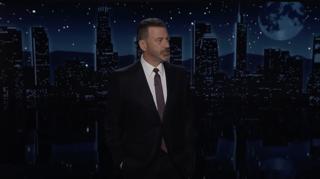
- 2025-09-18 — ABC Pulls Jimmy Kimmel Off Air Amid Controversy Over Comments
- 2025-09-04 — Farage Warns U.K. Censorship Could Affect Americans
The Bottom Line
- Free speech is essential for a healthy democracy and protecting liberty requires guarding it vigilantly against censorship.
- Government censorship can easily slide from national security toward suppressing political dissent.
- Privately controlled digital platforms hold immense power over public discourse, raising concerns about bias and accountability.
- Technological tools like AI have expanded the scale and subtlety of censorship, threatening privacy and expression.

Sources
- Fcc.gov
- Tbsnews.net: Brazil Judge Suspends Rumble Platform After Censorship Spat 1074831
- Amp.dw.com: A 71708890
- Axios.com: Trump Media Bolsonaro Lawsuit Brazilian Judge (Feb 19, 2025)
- Apnews.com: 0061c2f1ea145e3ce3714aa25f49ba67
- Techradar.com: Russia Turns To Ai Filters To Hunt Down Vpns In 2 2 Billion Ruble Crackdown