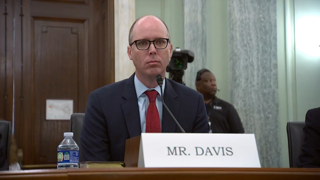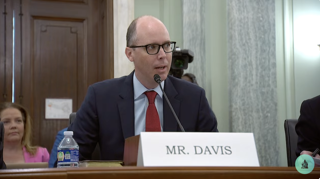
The Federalist has issued a statement regarding the recently released media access guidelines from the Department of War, asserting that the guidelines do not impose new restrictions on journalists. The statement, authored by CEO Sean Davis and Editor-in-Chief Mollie Hemingway, comes amid ongoing debates about press freedoms and government transparency.
Explainer Free Speech Battles: Courts, Censorship, and Cultural Conflicts
In their October 15, 2025 statement, Davis and Hemingway criticized what they described as a history of misinformation propagated by mainstream media outlets. They highlighted several instances, including the Russia collusion narrative and the COVID-19 origins debate, claiming that The Federalist has consistently reported factual information while facing censorship from both the government and corporate media.
"When other credentialed outlets and journalists spread lies about various issues, The Federalist fearlessly reported the truth," (Www.fcc — fcc.gov) Davis and Hemingway stated. They accused corporate journalists of profiting from false narratives while The Federalist faced punitive measures for its reporting.
The Federalist's leadership expressed skepticism regarding the media's newfound emphasis on press freedoms. They noted that, after reviewing the Department of War's guidelines, they found no new limitations on journalistic activities. The statement included direct quotes from the guidelines, emphasizing that journalists are not required to submit their work for approval and that their constitutional rights remain intact.
"Nothing in this document requires you to waive any constitutional rights," (Www.fcc — fcc.gov) the guidelines state. They further clarify that the media is not prohibited from engaging in constitutionally protected activities, such as investigating and reporting.
Critics of the Department of War's guidelines have raised concerns about potential implications for press freedoms. Some argue that even without explicit restrictions, the guidelines may create an environment of self-censorship among journalists wary of government scrutiny.
Supporters, including The Federalist, argue that the guidelines affirm the rights of journalists and do not impose undue limitations. Davis and Hemingway emphasized their commitment to covering the Pentagon with integrity and courage, regardless of the evolving media landscape.
"We look forward to eagerly covering the Pentagon, both on-site and from a distance, with the same fearlessness and courage that we have exhibited since we were created," (Www.fcc — fcc.gov) they concluded.
The statement reflects ongoing tensions between media organizations and government entities, particularly regarding issues of censorship and the role of the press in holding power accountable. As the media landscape continues to evolve, the impact of these guidelines on journalistic practices remains to be seen.