Border Security in America: Challenges, Strategies, and Conservative Solutions
Explore the evolving landscape of U.S. border security, including current challenges, federal and state responses, and conservative policy perspectives.
Additional reporting by April Clark, Liam Walker
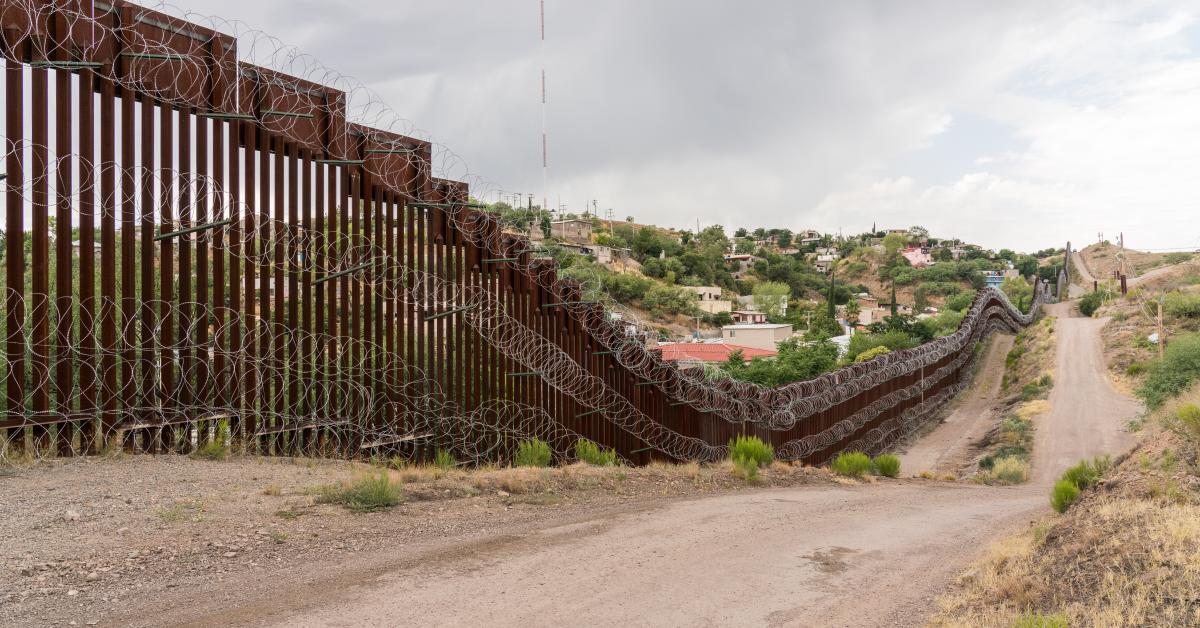
Border security remains one of the most pressing national security and immigration issues facing the United States. With millions of encounters reported at the southwest border annually, the complexity of managing illegal crossings, cartel violence, and drug trafficking continues to grow. Despite bipartisan recognition of the need to secure the border, political gridlock and policy disputes often prevent effective action. This persistent challenge tests the nation’s resolve to uphold its laws, protect its citizens, and maintain orderly immigration.
This explainer delves into the multifaceted challenges behind border security, the tools and initiatives currently in place, and the conservative approach to restoring law and order along the U.S.–Mexico border. Along the way, we reference recent state and federal developments as well as provide context for ongoing legislative debates that shape the future of border policy and national sovereignty.
Understanding the Scale and Scope of Border Challenges
"Without robust border enforcement and policies prioritizing law and order, national security and public safety remain gravely at risk."
In Fiscal Year 2023, U.S. Customs and Border Protection (CBP) recorded a staggering 3.2 million encounters at the southwest border — a 16% jump over the prior year and the highest ever documented. These encounters reflect the sheer volume of people attempting to cross the border, ranging from those apprehended illegally crossing to migrants presenting themselves voluntarily at legal ports of entry. This unprecedented flow overwhelms agencies and resources, complicating efforts to enforce existing immigration laws effectively.
The crisis extends beyond numbers; it encompasses the sophistication and boldness of transnational criminal organizations exploiting these openings. Mexican drug cartels and human trafficking rings have weaponized migration, converting migrant desperation into a lucrative enterprise. Our reporting on Mexican cartels stealing U.S. luxury rental cars for smuggling operations illustrates how these groups have refined their methods to evade detection and amplify their reach, blurring the line between routine commerce and illicit transit.
Another formidable challenge is the tension between humanitarian principles and enforcement rigor. While U.S. law rightly protects individuals fleeing persecution through asylum, gaps in policy often produce loopholes that allow abuse. Loopholes encouraging repeat crossings and overstaying, coupled with insufficient adjudication capacity, incentivize more perilous and unlawful attempts. Conservatives argue that without robust enforcement and streamlined adjudication, these policies undermine both security and humanitarian credibility.
Political debates compound these challenges. Some policymakers err on both extremes — either advocating an open-border approach that dismisses the risk of crime and cartel influence or adopting overly punitive policies that dismiss legitimate asylum claims. Conservatives maintain the need for a balanced, enforcement-first approach that safeguards the legal immigration system while restoring law and order.
Federal and State Initiatives: Operational Responses to Border Security
Federal authorities have responded with targeted, multi-agency operations aimed at dismantling cartel logistics and reducing drug and human trafficking. In March 2023, the Department of Homeland Security launched "Operation Blue Lotus," an aggressive campaign focusing on intercepting fentanyl and precursor chemicals moving through southern border corridors. Within its initial week, this operation seized over 900 pounds of fentanyl, along with methamphetamines and cocaine, underscoring the scale and lethality of the threats confronted on the border.
Technological innovation supplements manpower on this vast frontier. CBP's deployment of artificial intelligence (AI) represents a game-changer, detecting suspicious cargo patterns and tracing fentanyl precursor shipments more efficiently than traditional methods alone. These AI tools address the classic human resource challenges by facilitating rapid analysis and predictive enforcement, crucial in a geographically sprawling and porous border landscape.
At the state level, Texas represents the forefront of proactive border enforcement through its "Operation Lone Star." Launched with bipartisan support within the Texas legislature, the operation marshals resources from the Texas Department of Public Safety and the National Guard to fill enforcement gaps absent at the federal level. Since inception, it has led to over 481,000 illegal immigrant apprehensions and more than 36,000 arrests of criminal offenders. Furthermore, Texas has taken the controversial but, from a conservative standpoint, necessary step of transporting thousands of migrants to other cities to mitigate overwhelmed local communities and reduce pressure on border infrastructure.
Republican-led legislative initiatives mirror these front-line enforcement efforts. The 'Secure the Border Act' introduced in Congress calls for the resumption of border wall construction, tightening asylum procedures to deter meritless claims, and increasing Border Patrol staffing to sustain pressure on illicit crossers. Conservatives view these measures as indispensable to reinstate federal authority and dissuade cartel-driven migration surges.
The Role of Cartels and Drug Trafficking in Border Violence
Transnational criminal organizations, especially Mexican cartels, drive much of the border’s insecurity. Their control over trafficking corridors enables them to smuggle narcotics, weapons, and human migrants, often using violence and intimidation against border communities and law enforcement. These cartels exploit policy weaknesses, border surveillance blind spots, and bureaucratic delays to maximize profits and undermine U.S. security efforts.
Of particular concern are the cartels’ evolving tactics. They have begun hijacking upscale rental vehicles from U.S. companies — a tactic outlined in our reporting on cartels stealing luxury U.S. rental cars to move illicit goods covertly. This method grants smugglers a degree of anonymity since routine law enforcement may overlook late-model vehicles registered to legitimate businesses, complicating interdiction efforts and allowing deeper infiltration into U.S. markets.
This criminal activity feeds directly into domestic crises such as the opioid epidemic, as fentanyl flooding through the border increases overdose deaths nationwide. The violence surrounding cartel dominance also escalates crime rates in border and interior regions, pulling focus and resources from local law enforcement and heightening public safety concerns. Conservatives link this dynamic to the failure to secure the border comprehensively, emphasizing that stopping these networks is inseparable from immigration enforcement.
The politicization of border enforcement agencies exacerbates difficulties. Progressive calls to defund or abolish ICE, as covered in our reporting on Democrats pushing to abolish ICE, undermine morale and operational capacity, weakening the federal government’s ability to remove criminal aliens and dismantle smuggling networks effectively. Conservatives argue such rhetoric emboldens criminals and invites lawlessness, underscoring why fully funding and empowering enforcement agencies is critical for national security.
Legislative and Political Dynamics Surrounding Border Security
Border security legislation has become a litmus test for broader ideological divides within and between parties. The 'Secure the Border Act,' aligning with conservative priorities, emphasizes physical barriers, manpower increase, and stricter asylum adjudications to deter fraudulent claims. This approach reflects a fundamental conservative principle: an orderly immigration system depends on secure borders and vigorous law enforcement.
On the other side, many Democrats and some moderate Republicans seek to emphasize humanitarian and reform-oriented policies, including expanding legal immigration pathways and softening enforcement measures. They often argue this approach treats root causes and offers compassionate solutions to migrants, though critics suggest it weakens deterrents and invites additional illegal crossings. This divide results in legislative gridlock despite unanimous acknowledgment of border challenges.
Internal GOP tensions also manifest. The House Freedom Caucus has publicly challenged party leadership for delaying border security bills, highlighting disagreements over the speed and scope of enforcement enhancements. Nevertheless, conservative voters consistently express overwhelming support for enforcement-first policies, framing border security as a fundamental matter of national sovereignty and community safety.
Elections in border areas emphasize the political salience of security issues. The contest in Texas's 34th District is illustrative, with candidates sharply debating the most effective responses to the crisis. Such races demonstrate how border security is not an abstract federal issue but a pressing local concern influencing voter priorities and election outcomes, shaping the legislative landscape moving forward.
Balancing Enforcement with Humanitarian Concerns
Conservative border policy grapples with protecting Americans while honoring legitimate humanitarian commitments. U.S. law requires protection for genuine asylum seekers escaping persecution, and conservatives acknowledge the moral duty embedded in this principle. However, they stress enforcing immigration law effectively to prevent system abuse that endangers both migrants and communities.
Unchecked entries and lax processing practices encourage repeated crossings and incentivize human traffickers, contributing to chaotic border situations. Overcrowding and resource strain at crossings can jeopardize migrant welfare and hamper adjudication quality. Conservatives advocate reforms that streamline and secure processing while preserving due process rights for qualified applicants.
Debates surrounding practices like birthright citizenship highlight ongoing policy tensions. For example, Ohio Sen. Moreno has proposed revisiting automatic birthright citizenship, arguing it encourages illegal immigration and exploitation of the system. While opponents contend such changes violate constitutional rights, conservatives emphasize the need to ensure citizenship rules support national security and immigration integrity.
The conservative stance thus advocates for a fair yet firm approach — securing borders to uphold the rule of law while providing a lawful and humane immigration process that prevents exploitation by criminal networks and limits dangerous crossings.
Why It Matters: National Security, Public Safety, and the Rule of Law
Border security issues extend far beyond immigration policy; they directly affect national security, public safety, and economic stability. The narcotics that flow through the southern border, especially fentanyl, contribute significantly to the opioid overdose crisis ravaging communities. Drugs smuggled by cartels fuel addiction and crime, increasing burdens on law enforcement and public health.
Unchecked illegal immigration has been linked to increased crime rates and strains public resources like healthcare, education, and welfare systems. It also undermines legal immigration avenues, discouraging compliance and respect for U.S. laws. Conservatives argue that failing to secure the border diminishes trust in government and the rule of law, eroding national cohesion.
Efforts such as new federal border patrol stations and checkpoints planned for Arizona, detailed in our coverage of federal expansions in Arizona, exemplify the pragmatic, multi-layered strategies necessary to improve enforcement capacities. Likewise, the arrangement for Texas to receive reimbursement from the Department of Homeland Security for border security expenditures reflects a cooperative model addressing fiscal and operational challenges simultaneously.
For conservatives, border security is foundational to preserving American sovereignty, securing communities, and enabling a sustainable legal immigration system. That is why debates and policies on this issue remain central to political discourse and electoral contests, demanding attention from citizens and lawmakers alike.
Frequently asked questions
What is the current scale of illegal crossings at the U.S. southern border?
In Fiscal Year 2023, U.S. Customs and Border Protection recorded 3.2 million encounters, the highest ever, reflecting ongoing high migration pressure.
What federal operations are in place to combat drug trafficking at the border?
The Department of Homeland Security launched Operation Blue Lotus, focusing on intercepting fentanyl and other narcotics trafficked through the southern border.
How are state governments contributing to border security enforcement?
States like Texas utilize operations such as Lone Star involving National Guard and DPS personnel, leading to hundreds of thousands of apprehensions and thousands of arrests.
What technology aids are being used in modern border enforcement?
CBP employs artificial intelligence systems to detect fentanyl precursor chemicals and scan vehicles and cargo for suspicious activities.
What are the main conservative priorities for improving border security?
Key priorities include resuming border wall construction, increasing Border Patrol staffing, tightening asylum laws, and robust enforcement against cartel activities.
How do cartels exploit border vulnerabilities?
Cartels utilize innovative methods like stealing U.S. luxury rental vehicles for smuggling drugs and migrants, complicating detection and enforcement.
Why is border security a contentious political issue?
It involves balancing humanitarian concerns with law enforcement, and debates over enforcement agencies, deportations, and immigration reform split parties and impede legislation.
What role does the Secure the Border Act play in addressing border challenges?
This legislation proposes increasing manpower, physical barriers, and stricter asylum rules to deter illegal crossings and enhance border control.
Timeline of our coverage
- 2026-10-12 — Mexican Cartels Steal U.S. Luxury Rental Cars for Smuggling Operations
- 2026-09-29 — Texas GOP Eyes Open 35th District After Redistricting Shifts
- 2026-09-26 — Federal Government Plans Three New Border Patrol Stations, Two Checkpoints in Arizona
- 2026-09-23 — Texas’ 34th District Race Tightens as Flores Challenges Incumbent Gonzalez
- 2026-09-19 — DHS to Reimburse Texas $7.5B for Border Security Costs
- 2026-08-25 — US Reopens Southern Border to Mexican Cattle Amid Cartel Exploitation and Rising Beef Prices
- 2026-08-23 — Democrats Push to Abolish ICE, Expand Pathways to Citizenship Ahead of Midterms
- 2026-08-17 — Democratic National Committee Passes Resolutions Targeting ICE
- 2026-07-31 — Tens of Thousands Cross Into Ceuta as Spain Struggles to Respond
- 2026-07-21 — ICE Arrests Mexican National Deported Five Times After Sex Sting in South Dakota
- 2026-07-19 — Ohio Sen. Moreno Revives Bill to End Birthright Citizenship, Citing Harry Reid Precedent
- 2026-07-16 — Texas Senate Candidate Talarico Faces Scrutiny Over Border Security Votes
- 2026-07-14 — Border Czar Says ICE Deportations Unaffected by Pause on Vehicle Stops
- 2026-07-13 — House Freedom Caucus Accuses GOP Leadership of Stalling Border Security Bills
- 2026-06-22 — Father's Day Reminds Angel Dads of Loss Amid Immigration Debate
- 2026-01-29 — Debate Intensifies Over Deportation Policies Following Border Patrol Shooting
- 2025-12-12 — 'Groceries' Are Not 'Old Fashioned,' And Other Reminders For Trump
The Bottom Line
- Border security directly impacts national security against drug cartels and transnational crime.
- Securing the border protects communities from crime and narcotics flooding into the U.S.
- Strong enforcement upholds the rule of law and deters illegal immigration and repeated crossings.
- Effective border control is essential for managing legal immigration and asylum fairly.

Sources
- CBP Releases December 2023 Monthly Update
- Operation Lone Star Bolsters Historic Border Security Mission In 2023
- Hagerty, Cruz, Colleagues Introduce Senate Companion to House-Passed Secure the Border Act
- Gov.texas.gov: Operation Lone Star Protects Americas National Security
- Fairus.org: Illegal Alien Border Apprehensions What Numbers Mean
- Axios.com: Fentanyl Trafficking Ai Border Patrol (Dec 07, 2023)
- Axios.com: Border Patrol Us Mexico Ai Robo Dogs Drones Inspectors (Dec 12, 2023)
- Axios.com: Border Crossing January Mexico Biden Immigration (Feb 10, 2023)
- Axios.com: Border Crossings Cbp Record (Oct 24, 2023)