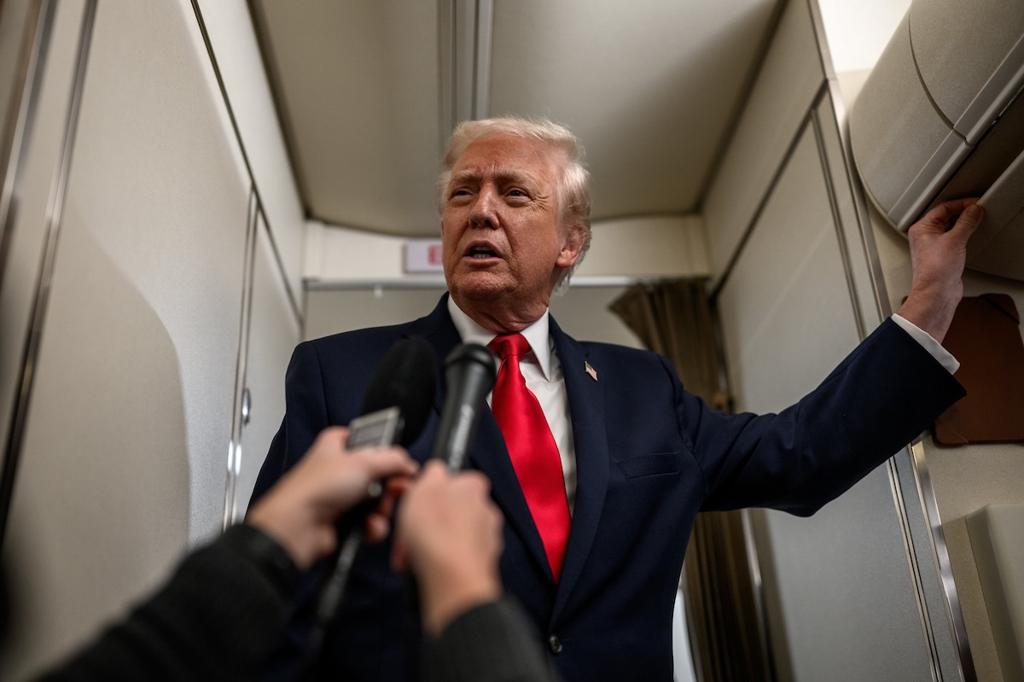
President Donald Trump recently expressed frustration over not receiving enough credit for his administration's efforts to secure the U.S. border. In a statement, he emphasized that the country is now safer and stronger due to his actions. However, critics argue that his approach to discussing economic issues, particularly the rising costs for middle and working-class Americans, is lacking and could alienate potential voters. This disconnect between his achievements and the concerns of everyday citizens is becoming increasingly evident.
The core tension lies in Trump's perception of economic challenges, which many voters feel are not being adequately addressed. While he has made strides in border security, the ongoing rise in living costs remains a pressing concern for many households across the nation. The inflationary pressures affecting various sectors are making it difficult for families to maintain their living standards, and this issue is at the forefront of voters' minds as they consider their options for the upcoming election.
In his remarks, Trump acknowledged the difficulties faced by Americans, stating, "I have no higher priority than making America affordable." Despite this assertion, he has also dismissed the concept of affordability as a "fake" narrative pushed by Democrats. This mixed messaging has led to criticism from various quarters, including some who feel he is not fully engaged in addressing the economic struggles that affect everyday citizens. The juxtaposition of his claims about prioritizing affordability with his dismissal of the issue as a political ploy raises questions about his commitment to addressing the real concerns of voters.
Economic Concerns Persist
The rising costs of essential goods and services, including rent, healthcare, and groceries, have become a focal point for voters. Many Americans are feeling the financial pinch, with inflation impacting their ability to maintain their living standards. Critics argue that Trump's comments about groceries being "old-fashioned" reflect a disconnect from the realities faced by many families struggling to make ends meet. This perception of detachment could have significant implications for his support among key demographics.
Eddie Scarry, a columnist for The Federalist, noted that Trump's dismissive tone regarding economic issues could hinder his support among voters. "It’s weird and only makes him sound more removed from the issue," Scarry wrote. He suggested that Trump should acknowledge the economic struggles Americans face and outline concrete steps to address them. By doing so, he could foster a greater sense of connection with voters who are increasingly concerned about their financial situations.
A Call for Engagement
Supporters of Trump argue that he has made significant progress in various areas, including border security and job creation. They contend that the challenges of inflation and rising costs are complex issues that cannot be solved overnight. However, some analysts believe that a more empathetic approach from the president could resonate better with voters who are increasingly concerned about their financial situations. Acknowledging the struggles of everyday Americans and providing tangible solutions could help bridge the gap between his administration's achievements and the pressing needs of the electorate.
The ongoing debate over economic policy highlights the challenges Trump faces as he seeks to balance his administration's achievements with the pressing needs of the electorate. As the 2024 election approaches, how he addresses these concerns may play a crucial role in shaping voter sentiment. The electorate is looking for leaders who not only acknowledge their struggles but also offer realistic pathways to alleviate their economic burdens.
Looking Ahead
As Trump continues to navigate these issues, the response from his administration and his ability to connect with voters on economic matters will be closely scrutinized. While he has made strides in some areas, the question remains whether he can effectively address the economic challenges that many Americans are currently facing. The upcoming election will serve as a critical juncture for Trump, as voters will assess how well their needs are being met and whether they feel heard and understood by their leaders.
In conclusion, Trump's recent comments have sparked a conversation about the importance of addressing affordability and economic concerns. As voters prepare for the upcoming election, their perceptions of how well their needs are being met will be a significant factor in determining support for the president. The ability to engage with the electorate on these pressing issues could ultimately shape the outcome of the election and influence the future direction of the country.