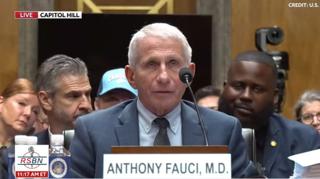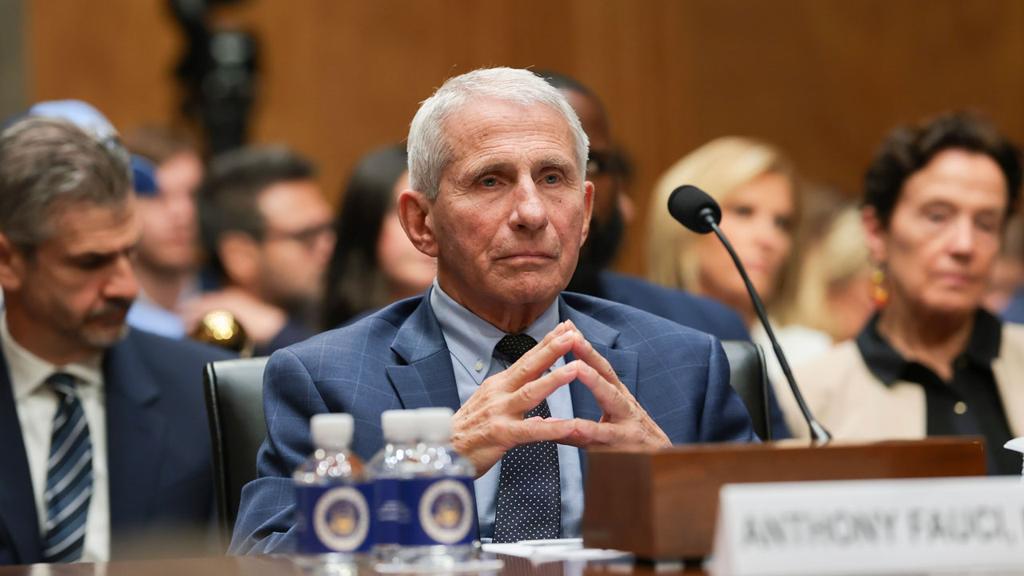
Dr. Anthony Fauci invoked the Fifth Amendment more than 100 times during a Senate Homeland Security Committee hearing, as Republican senators pressed him on his role in the origins and handling of the COVID-19 pandemic and related research funding. The hearing, which lasted three hours, highlighted the ongoing partisan divide over Fauci's actions and the broader federal response to the pandemic.
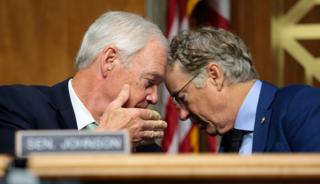
Fauci, who led the National Institute of Allergy and Infectious Diseases (NIAID) and served as chief medical adviser to the president during the pandemic, faced pointed questions from Republican senators. The session was chaired by Sen. Rand Paul, R-Ky., who has been a frequent critic of Fauci. Paul and other Republicans accused Fauci of participating in a cover-up regarding the origins of COVID-19 and U.S. funding of gain-of-function research at a laboratory in Wuhan, China. According to Paul, Fauci's own diary entries suggested he was aware that the wet market in Wuhan was not the source of the virus, contradicting some early public statements.
Throughout the hearing, Fauci repeatedly declined to answer questions by invoking his Fifth Amendment right against self-incrimination. This move drew sharp criticism from Republican committee members, who argued that Fauci’s refusal to answer was an attempt to avoid accountability for his actions during the pandemic.
GOP Push for Contempt Vote
Republican senators argued that Fauci had no right to invoke the Fifth Amendment, citing a "full and unconditional pardon" granted by President Joe Biden for any federal offenses committed between 2014 and 2025. Sen. Josh Hawley, R-Mo., told reporters, "He does not have the Fifth Amendment right. He’s been given a full and unconditional pardon … The Supreme Court’s case law on this is absolutely clear and has been for over a century. When you’ve been pardoned, your privilege disappears."
The committee is scheduled to vote next week on whether to hold Fauci in contempt of Congress, a move that would refer the matter to the Department of Justice (DOJ) for possible prosecution. The DOJ told the Daily Signal it "seriously reviews all congressional referrals," but did not comment further on the specifics of the case.
Paul acknowledged that the legal question of whether a pardon eliminates Fifth Amendment protections "has probably never been tested legally," but argued that "maybe the Fifth Amendment doesn’t attach when you have a pardon in place."
"We believe that with his immunity from criminal liability, that he didn’t need to hide behind the Fifth Amendment, and that maybe the Fifth Amendment doesn’t attach when you have a pardon in place."
— Rand Paul, Senate Homeland Security Committee chairman
Financial Questions and Political Responses
During the hearing, financial questions about Fauci’s government service were raised. Sen. Hawley claimed that Fauci benefited financially, stating his net worth is now $12 million and that he receives a $400,000 annual pension. Hawley also described Fauci as "the highest paid government employee ever."
Sen. Rick Scott, R-Fla., commented that "ultimately, accountability is done by the executive," suggesting that the responsibility for oversight rests with the administration. On the other side of the aisle, Sen. John Fetterman, D-Pa., defended Fauci's right to plead the Fifth, saying, "Yeah, I think that is the right to do that … obviously, that’s his prerogative."
The hearing reflected the broader political divide over the handling of the pandemic and the subsequent investigations. Republicans have continued to press for more information about the origins of COVID-19 and the use of federal funds for research, while Democrats have generally defended Fauci’s actions and his right to invoke constitutional protections.
Legal Perspectives on Fifth Amendment Rights
Legal experts weighed in on the controversy. Cully Stimson, acting director of the Legal Policy Center at The Heritage Foundation, told the Daily Signal that Fauci may have been within his rights to invoke the Fifth Amendment. Stimson noted that the pardon only covered offenses related to Fauci’s official duties at the National Institutes of Health or the White House between January 2014 and January 2025.
"The pardon does not give him a license to lie before Congress or any other body under oath, which helps explain why he invoked his Fifth Amendment right against self-incrimination," Stimson said. He added that questions unrelated to Fauci's official duties or outside the pardon’s timeframe were "fair game" for congressional inquiry.
The legal debate centers on whether a presidential pardon fully eliminates the risk of self-incrimination, particularly if there are questions about actions outside the scope of the pardon or about potential perjury if Fauci were to answer under oath.
Ongoing Investigation and Next Steps
The Senate committee’s vote on whether to hold Fauci in contempt is expected next week. If the committee votes in favor, the Department of Justice will then determine whether to pursue further action. The debate over Fauci’s legal rights and the scope of his pardon remains unresolved, as Republicans continue to seek answers on the pandemic’s origins and federal research funding.
The outcome of the contempt vote and any subsequent DOJ action could have significant implications for future congressional investigations and the use of the Fifth Amendment by government officials. The issue also highlights the ongoing political and legal battles over the federal government’s response to the COVID-19 pandemic.
For more details, see the Daily Signal report.