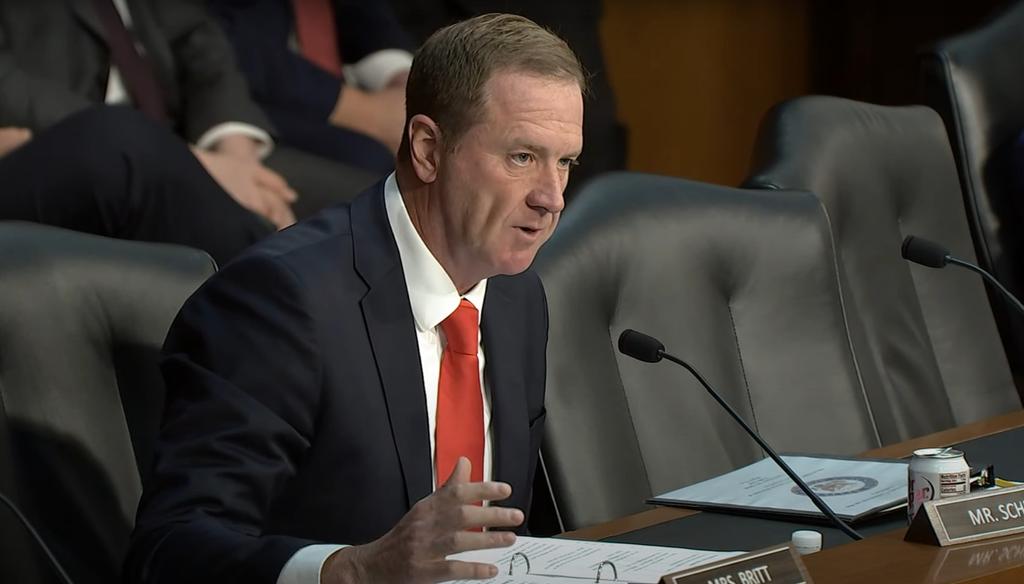
American companies and institutions are reportedly using the H-1B visa program to staff diversity, equity, and inclusion (DEI) offices, according to documents released by Senator Eric Schmitt, R-Mo. Schmitt's findings suggest that this practice may not align with the original intent of the H-1B program, which was designed for specialty occupations requiring technical expertise.
In a recent social media post, Schmitt stated, "I’ve reviewed numerous examples of hospitals, universities, and other employers hiring foreign H-1B workers as DEI bureaucrats." (Schmitt Senate) He highlighted several cases, including Yale New Haven Health, which filed Labor Condition Applications for the position of "Diversity and Inclusion Specialists," and Carnegie Mellon University, which sought an "Associate Dean of Diversity, Inclusion, Climate & Equity."
The senator's office identified multiple institutions employing foreign workers in DEI roles, raising questions about the appropriateness of using H-1B visas for positions that are primarily ideological rather than technical. Schmitt noted that this trend is particularly concerning as it places non-Americans in roles that influence the discourse and values of American citizens.
In a letter to U.S. Citizenship and Immigration Services (USCIS) Director Joseph Edlow, Schmitt expressed alarm over the implications of foreign workers in these positions. He stated, "It is alarming that both private companies and public institutions alike appear to be using foreign workers to work in these roles — placing non-Americans in positions where they are tasked with policing the speech and thought of our own citizens." (Schmitt Senate)
Critics of the H-1B program, including Schmitt, argue that it has been misused to replace American workers with foreign nationals, particularly in non-technical roles. Schmitt has been vocal about the need to reassess the program, stating, "Rather than recruiting genuinely exceptional top-level talent, in many cases the H-1B visa is now regularly used to staff middle management bureaucracies." (Schmitt Senate)
The debate surrounding the H-1B visa program has intensified, with many on the right calling for a reevaluation of immigration policies to prioritize American workers. Supporters of the program argue that it is essential for attracting skilled labor to fill gaps in the workforce, particularly in technology and engineering fields.
The issue of H-1B visas has been contentious in recent years, with various administrations taking different approaches to immigration policy. Under the Trump administration, a proclamation was issued that restricted entry for H-1B applicants unless they paid a fee of $100,000. However, the White House clarified that this fee would not apply to current H-1B holders reentering the U.S. and would only affect new visa applications.
As the conversation around immigration continues, the use of H-1B visas for DEI roles remains a focal point for lawmakers and advocates on both sides of the issue. Schmitt's findings may prompt further scrutiny of how the visa program is utilized across various sectors, particularly in academia and corporate America.
The implications of these practices could have lasting effects on the job market and the cultural landscape in the United States, as the role of DEI initiatives continues to evolve in American institutions.