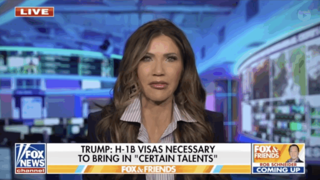
A coalition of higher-education associations is urging the Department of Homeland Security (DHS) to exempt colleges and universities from a new $100,000 application fee for H-1B visas, arguing the rule would hinder recruitment of foreign faculty and staff and slow research. The request appears in a letter to DHS Secretary Kristi Noem signed by organizations including the American Council on Education (ACE) and the American Association of Colleges and Universities.
ACE President Ted Mitchell wrote that “H-1B visa holders working for institutions of higher education are doing work that is crucial to the U.S. economy and national security,” adding that such employees help train domestic students and support research programs.
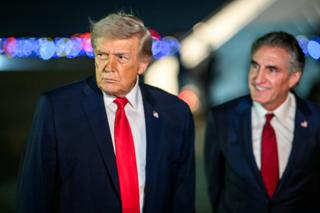
The $100,000 fee followed a September presidential action applying to new H-1B applicants after September 21. Supporters say the fee is intended to discourage perceived abuses and reduce demand; critics counter that it does not cover renewals and may create uneven impacts across sectors.
Universities argue their H-1B employees qualify for relief given claimed national-interest benefits. They cite high concentrations of roles in business, engineering, health professions, computer science, and the physical sciences.
Skeptics of carve-outs say universities should prioritize domestic hiring and that H-1B use has sometimes extended beyond narrowly defined “specialty occupations.” Florida Gov. Ron DeSantis has pressed public institutions to curtail reliance on H-1B workers, pointing to audit findings and urging schools to re-evaluate programs where qualified U.S. graduates are available.
The debate underscores broader questions about how immigration policy intersects with higher-education staffing and research needs. DHS has not yet indicated whether it will grant sector-specific relief for universities or clarify how the fee applies to applicants transitioning from F-1 or J-1 status to H-1B.