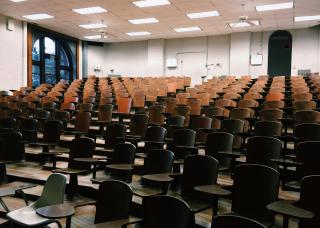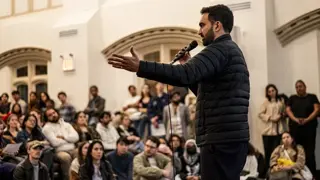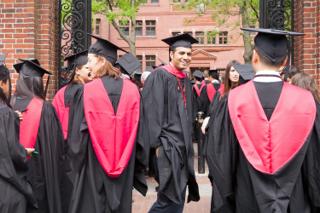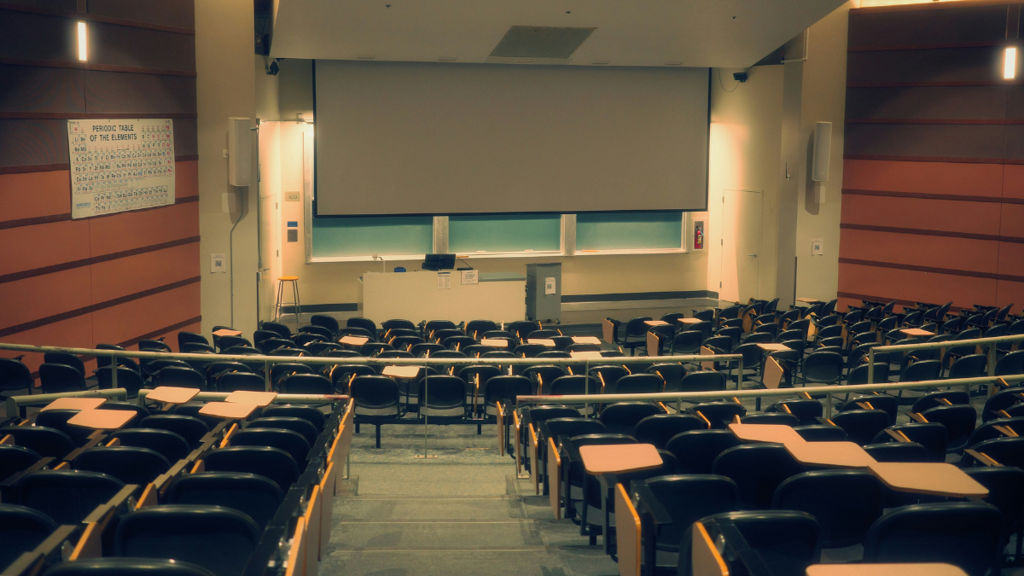
College enrollment has decreased by approximately 8 percent since 2010, reflecting a growing skepticism toward traditional higher education. This trend suggests that many young people are reconsidering the value of a college degree amid concerns about its relevance in today’s job market.
Critics argue that the academic community, regardless of political affiliation, often fails to provide practical solutions during times of societal upheaval. "Most people — that is, non-academics — know this; they are not fools, and they know time is running out," noted Erik Root, a homesteader and political science graduate.
The disconnect between academics and the general public is evident, as many perceive that professors do not face the same consequences for their advice as professionals in other fields. Business leaders, for instance, risk their livelihoods when they make poor decisions, while academics often continue to thrive despite their misjudgments. Thomas Sowell has pointed out that academics do not feel the consequences of their misguided recommendations.
Peter Thiel, in his book "Zero to One," criticized higher education for fostering conformity among students who pay exorbitant tuition fees for degrees that may not lead to meaningful careers. He stated, "Higher education is the place where people who had big plans in high school get stuck in fierce rivalries with equally smart peers over conventional careers."
Root emphasizes the need for individuals to develop practical skills rather than relying solely on academic credentials. He argues that a focus on tangible skills—such as electrical work, plumbing, and farming—can provide individuals with the means to support themselves and their families. "Muscular jobs equal muscular minds," he stated, advocating for a return to hands-on work that can lead to personal and societal improvement.
The pandemic has further highlighted the limitations of higher education, with many seeking alternative paths to fulfillment and stability. Root notes a surge in interest in religious communities, particularly the Orthodox Church, as individuals search for deeper meaning and support in challenging times.
As the landscape of education continues to evolve, Root calls for a reevaluation of priorities. He suggests that individuals should focus on acquiring skills that are immediately applicable and beneficial, rather than pursuing degrees that may not translate into real-world success.
In conclusion, the decline in college enrollment may signal a broader shift in societal values, with an increasing emphasis on practical skills and personal responsibility over traditional academic pathways. The call for action is clear: individuals must take charge of their education and future by learning skills that matter.
Root's perspective reflects a growing sentiment that the current educational system may not adequately prepare students for the realities of modern life, urging a move towards a more hands-on approach to learning and living.