Medicaid’s Complex Role: Navigating Coverage, Fraud, and Federal Oversight
Explore Medicaid’s intricate balance of providing health coverage to millions while tackling fraud, political challenges, and evolving federal oversight.
Additional reporting by Oliver Brown, April Clark
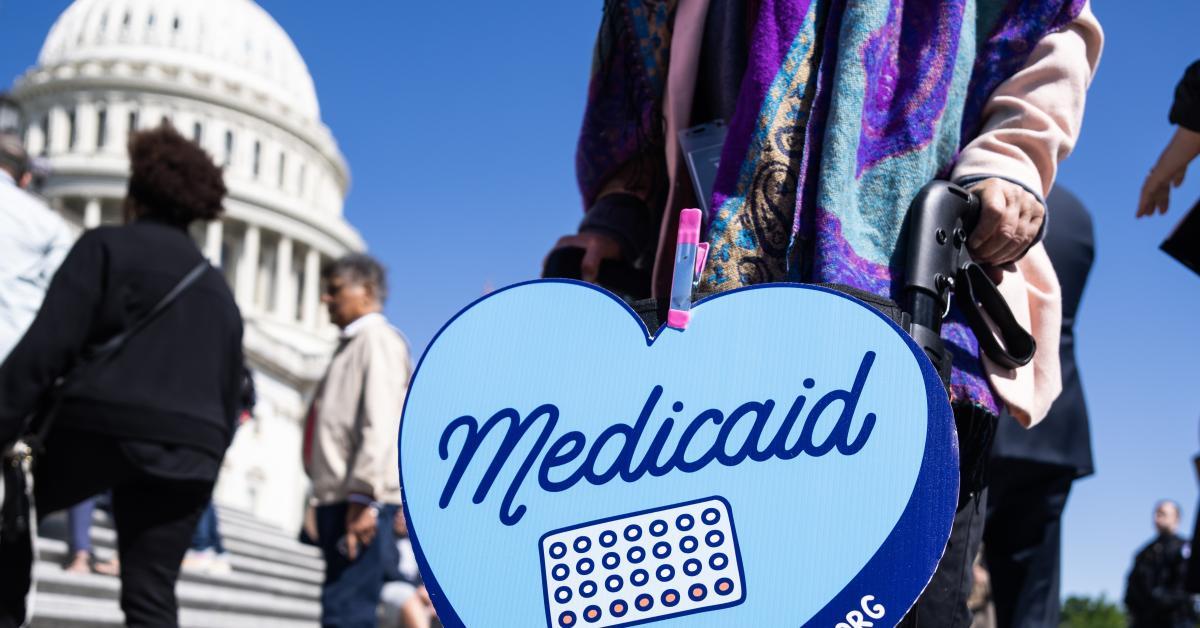
Medicaid stands as a foundational pillar within America's social safety net, created in 1965 under Title XIX of the Social Security Act to provide health insurance to low-income and vulnerable populations. Covering over 66 million Americans today, it serves as an essential health coverage program for families, the elderly, the disabled, and children. Unlike typical federal programs, Medicaid combines federal funding with state administration, leading to a decentralized, complex system of eligibility standards, benefit packages, and provider payment methods. This hybrid governance structure creates both opportunities for tailored solutions and challenges surrounding consistency and oversight.
While Medicaid’s importance in safeguarding Americans’ health cannot be overstated, the program is simultaneously a lightning rod for political debate and policy scrutiny. Conservatives often criticize it for inadequate fraud controls and expanding eligibility that increases taxpayer burdens, whereas progressives emphasize its role in expanding access to care for underserved communities. Efforts by federal agencies to mitigate wasteful spending through enhanced monitoring reveal significant progress but also highlight systemic vulnerabilities embedded in Medicaid's structure. This explainer offers a deep dive into Medicaid’s origins, operational framework, controversies over fraud, political tensions surrounding eligibility, and emerging reform proposals aiming to balance accountability with comprehensive coverage.
Medicaid’s Structure and Eligibility Dynamics
"Medicaid’s sprawling, state-driven system demands tough oversight and reforms to balance coverage for the needy against rampant fraud and waste."
Medicaid’s federal-state partnership model distinguishes it from other federal health programs like Medicare. The federal government sets baseline eligibility standards and mandates a core set of benefits. States, however, wield substantial authority over program administration, allowing them to tailor eligibility thresholds, benefit inclusions, premiums, copayments, and provider payment rates within federal guidelines. This results in significant variation—from generous coverage packages in some states to more restrictive programs in others. For example, Arkansas might offer broader optional benefits than Texas, or income thresholds for eligibility can differ dramatically.
Mandatory services provided by Medicaid include hospital inpatient and outpatient care, physician services, laboratory and X-ray services, and home health services. States may choose to add optional benefits such as prescription drugs, dental care, personal care, and therapies. While this flexibility enables states to innovate and prioritize local needs, it also contributes to a patchwork system in which the quality and scope of coverage vary widely by geography. Citizens moving between states may face sudden changes in their healthcare access, impacting continuity of care.
Eligibility criteria traditionally focus on low-income families with children, pregnant women, seniors, and individuals with disabilities. The Affordable Care Act’s Medicaid expansion provision encouraged states to extend coverage to low-income adults without dependent children, but as of today, many states have resisted expansion due to political opposition. Additionally, certain populations remain excluded from coverage—most notably undocumented immigrants face stringent limitations. This exclusion has become a flashpoint in broader debates about immigration and public resource allocation, further complicating an already intricate eligibility landscape.
Addressing Fraud, Waste, and Oversight Challenges
Given Medicaid’s vast scale—disbursing hundreds of billions of dollars annually and covering tens of millions—the program is inevitably exposed to fraudulent activity and administrative abuse. Improper payments, phantom claims, and schemes by some providers to exploit the system siphon taxpayer dollars that could otherwise extend care to deserving individuals. The magnitude of fraud threatens Medicaid’s financial sustainability and erodes public confidence in government welfare programs.
Federal agencies like the Centers for Medicare & Medicaid Services (CMS) and the Department of Health and Human Services’ Office of Inspector General (HHS-OIG) have prioritized combatting fraud with considerable resources and new initiatives. CMS's Medicaid Fraud War Room, launched in 2026, employed advanced analytics and real-time data monitoring to prevent over $203 million in improper payments within its first three months. Similarly, Medicaid Fraud Control Units at the state level recovered nearly $2 billion in fiscal year 2025, achieving an impressive return on investment of $4.64 for every dollar spent—a testament to the effectiveness of coordinated enforcement efforts.
However, enforcement remains uneven. In 2026, CMS took the extraordinary step of decertifying New York’s Medicaid Fraud Control Unit due to chronic underperformance in criminal fraud investigations, signaling that some states may lack the resources, political will, or institutional capacity to adequately police misuse. Meanwhile, hearings in states like Ohio have revealed staggering fraud losses, amounting to $1.2 billion, showcasing the scale of ongoing challenges. Notably, recent research suggests that existing Medicaid cost-sharing frameworks may unintentionally disincentivize aggressive fraud pursuit by states, an angle detailed in our analysis on cost-sharing impacts.
Further complicating oversight, states utilize Medicaid waivers to experiment with eligibility criteria and service delivery, sometimes creating opaque administrative environments. Federal agencies have responded by strengthening oversight measures, as evidenced by the recent CMS tightening under new federal laws, aiming to enhance accountability while preserving state innovation. These efforts illustrate the ongoing tension between federal supervision and state autonomy in Medicaid administration.
Political and Public Policy Battles Over Eligibility and Spending
Medicaid’s political battlegrounds focus intently on who should be covered and under what conditions. Conservative policymakers routinely raise alarms about eligibility expansions that encompass able-bodied adults without dependents and undocumented immigrants, warning of fiscal untenability and negative work incentives. The Trump administration’s Medicaid work requirements epitomized conservative attempts to instill personal responsibility in welfare programs, a significant policy shift documented in our coverage of work requirements implementation. Proponents argue these requirements prevent dependency, promote employment, and protect taxpayer interests.
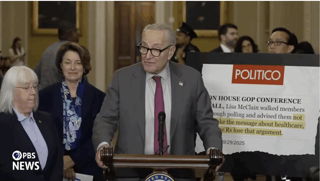
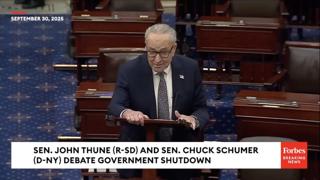
Conversely, progressive advocates see Medicaid expansions as vital health protections that reduce disparities and improve social determinants of health. These efforts often clash with fiscal conservatives over Medicaid funding for undocumented immigrants, with several states allocating billions in federal Medicaid dollars to undocumented populations, sparking contentious political battles. Deadlocks have even risked government shutdowns, highlighted in our reporting on government shutdown debates and funding controversies.
These disputes reveal deeper philosophical cleavages: the role of Medicaid as an emergency safety net versus a broader entitlement; balancing compassionate coverage with stringent fiscal oversight; and reconciling state sovereignty with federal accountability. Recent audits have shown increasing Medicaid spending under recent administrations, fueling conservative concerns about unchecked program growth and strain on taxpayers, detailed in our audit coverage. These issues will continue shaping Medicaid’s policy environment for years to come.
Medicaid’s Impact on the Health System and Broader Economy
Medicaid’s influence extends beyond individual recipients, deeply affecting healthcare markets, hospitals, and the broader economy. Its provision of critical services such as primary care, preventive treatments, and disease management reduces reliance on costly emergency interventions. Particularly for hospitals with high volumes of low-income patients, Medicaid reimbursements help offset uncompensated care and stabilize finances in an otherwise fragile healthcare system.
However, Medicaid reimbursement rates often lag behind those paid by commercial insurers and Medicare, creating barriers for provider participation. This can limit recipients’ access to clinicians and specialists, raising concerns over network adequacy and quality of care. States strive to strike a difficult balance between fiscal limitations and maintaining adequate provider payment rates, which impacts both patient outcomes and healthcare costs. Additionally, states’ decisions on optional benefits like prescription drug coverage or rehabilitative therapies influence long-term health trajectories and overall public health.
Critics argue that Medicaid expansion and lenient eligibility criteria foster dependence on government assistance, distort labor supply, and contribute to ballooning state and federal expenditures. From this perspective, unchecked program growth imperils economic sustainability. On the other hand, supporters emphasize Medicaid’s role in alleviating poverty-related health disparities and supporting workforce productivity by improving the health of vulnerable populations. This dialectic continues to fuel policy debate regarding Medicaid’s optimal design.
The Path Forward: Reform, Accountability, and Innovation
Navigating Medicaid’s future requires a nuanced approach to reform, emphasizing program integrity, encouraging work and autonomy, and balancing federal-state partnership. Policymakers seek to enhance fraud detection technology, improve audit capabilities, and foster interagency communication to minimize abuse without undermining beneficiary access. Conservative voices stress that safeguarding taxpayer dollars necessitates sharper enforcement and structural reforms that focus Medicaid resources on the truly needy.
Recent federal actions signal this commitment, such as the decision to withhold $860 million in California's Medicaid funding owing to fraud concerns—coverage that we have detailed in the federal funding pause. Meanwhile, states experimenting with work requirements and tightened eligibility rules, while contentious, represent efforts to instill fiscal discipline and promote employment, challenging the program to evolve without stripping essential coverage.
Bipartisan consensus on eliminating waste and fraud is one of the few stable foundations for Medicaid reform, yet ideological differences over expansion and eligibility remain contentious. Given the significant variation among states’ Medicaid programs, solutions must be tailored rather than a one-size-fits-all federal policy. Technological innovation and data analytics hold promise for improving oversight while preserving states’ ability to customize plans to their populations.
Ultimately, Medicaid’s future trajectory will serve as a crucial test case for balancing robust welfare provisions with fiscal responsibility, ensuring effective coverage for America’s most vulnerable without jeopardizing program sustainability or the interests of hardworking taxpayers.
Frequently asked questions
What is Medicaid and who does it cover?
Medicaid is a joint federal-state health insurance program for low-income individuals including children, pregnant women, the elderly, and disabled persons.
How is Medicaid funded?
Funding comes from federal and state governments, with the federal government matching state spending based on state income levels.
What types of benefits does Medicaid provide?
Medicaid offers mandatory benefits like hospital and doctor services and optional benefits such as prescription drugs and therapy.
Why is fraud a concern in Medicaid?
The program’s large size and complexity make it vulnerable to fraudulent claims and abuse, costing taxpayers billions annually.
How do states differ in their Medicaid programs?
States have flexibility in eligibility rules, benefit packages, and payment rates, resulting in variation in Medicaid coverage quality and scope.
What recent federal steps have been taken to fight Medicaid fraud?
CMS has launched initiatives like the Medicaid Fraud War Room and tightened oversight of state Medicaid waivers to reduce improper payments.
Are there work requirements for Medicaid recipients?
Some states have implemented work or community engagement requirements following policies initiated during the Trump administration.
Timeline of our coverage
- 2026-10-03 — Report: Medicaid Cost-Sharing May Discourage States From Pursuing Fraud
- 2026-08-31 — CMS Tightens Medicaid Waiver Oversight Under New Federal Law
- 2026-08-14 — Michigan Senate Candidate El-Sayed Faces Scrutiny Over Health Care Stance and Family Practice Policies
- 2026-08-12 — CMS Ends Medicaid, CHIP Funding for Pediatric Gender Procedures
- 2026-07-24 — Federal Government Pauses $860 Million in Medi-Cal Funding Amid Fraud Concerns
- 2026-07-21 — Planned Parenthood Regains Federal Funding After Congressional Ban Expires
- 2026-07-10 — Medicaid Work Requirements Implemented by Trump Administration
- 2026-06-05 — House Hearing Reveals $1.2 Billion in Medicaid Fraud in Ohio
- 2026-03-27 — Vance's Task Force Targets $250 Billion in Annual Fraud Losses
- 2025-10-31 — Five States and D.C. Allocated $1.4 Billion in Federal Medicaid Funds to Undocumented Immigrants
- 2025-10-09 — Senate Democrats Block Government Funding Amid Controversy Over Healthcare for Illegal Immigrants
- 2025-10-02 — Government Shutdown Sparks Debate Over Health Care for Paroled Immigrants
- 2025-10-02 — Dems Pretend They Don't Want Medicaid For Millions Of Migrants
- 2025-10-01 — Democrats Opt for Government Shutdown Over Health Care Restrictions for Noncitizens
- 2025-09-25 — Audit Reveals Medicaid Spending Increases Under Biden Administration
- 2025-08-14 — CBO Estimates 10 Million More Uninsured by 2034 Due to New Legislation
The Bottom Line
- Medicaid covers over 66 million Americans, making it central to U.S. health coverage.
- The program’s structure creates varying eligibility and benefits that impact healthcare quality and access.
- Fraudulent spending threatens Medicaid’s financial sustainability and taxpayer interests.
- Federal and state governments must improve oversight and enforcement to protect program integrity.

Sources
- Medicaid.gov: Medicaid
- CMS Medicaid Fraud War Room Stops More Than $203 Million in Improper Payments During First 88 Days
- Medicaid Fraud Control Units Annual Report: Fiscal Year 2025
- Statement on Federal Decertification of the New York Medicaid Fraud Control Unit
- Healthcare.gov: Getting Medicaid Chip
- CDC: Medicaid
- Medicaid.gov: Eligibility Policy
- Medicaid.gov: Benefits
- Cms.gov: Fraud
- Cms.gov: Fiscal Year 2025 Improper Payments Fact Sheet