The Trump administration has launched a new initiative to combat government fraud, establishing the President’s Task Force to Eliminate Fraud, which aims to address an estimated $250 billion in annual losses. This effort comes as officials express concern over the impact of fraud on taxpayer-funded benefits programs, which are intended to assist vulnerable Americans.
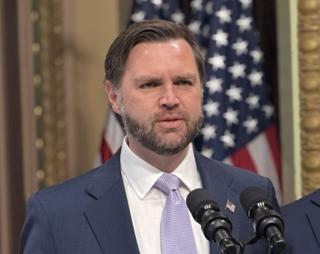
The task force, led by Vice President J.D. Vance and Federal Trade Commission Chairman Andrew N. Ferguson, seeks to recover funds lost to fraud while implementing measures to prevent such losses in the future. Critics argue that the scale of fraud undermines the integrity of essential services, while supporters contend that the initiative is necessary to protect taxpayer dollars.
In a memo to task force members, Vance emphasized the importance of safeguarding benefits programs, stating, "Every year, hardworking Americans pay taxes to fund a vast benefits system for citizens in need." He noted that these programs have been plagued by "waste, fraud, and abuse," with estimates suggesting that fraud results in losses of about $250 billion annually. The memo also highlights that the true extent of fraud may be even higher.
Focus on High-Risk Programs
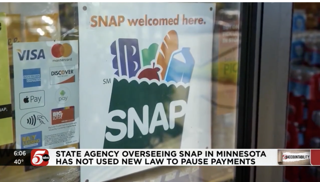
The task force plans to audit government programs, starting with those that have high expenditures and low verification safeguards. Vance's memo indicates that the initiative will initially focus on programs like Medicare and Medicaid, which together account for approximately $2 trillion in annual spending. Other targeted programs include Unemployment Insurance, Supplemental Nutrition Assistance Program (SNAP), and various federal assistance programs.
The memo outlines a multi-step approach to tackle fraud, beginning with litigation against offenders, led by the Department of Justice’s new Assistant Attorney General for Fraud, Colin McDonald. However, it acknowledges that recovering lost funds is challenging, with only about $10 billion of the estimated $250 billion recovered each year.
Vance's spokesman stated, "The American people deserve better than being ripped off by people who hate this country," underscoring the administration's commitment to addressing fraud.
Identifying and Preventing Fraud
To enhance fraud prevention, the task force will direct major payor agencies to analyze data for patterns indicative of fraudulent activity. The memo encourages agencies to deny payments when fraud risk reaches unacceptable levels, stating, "Agencies must abandon any presumptions in favor of payment; they must pay only when they are confident that the payment is legitimate and lawful."
The task force's broad definition of fraud includes various forms of misconduct, from ghost billings to substandard services. For example, the memo cites the Paycheck Protection Program as a case where billions were lost to fraudulent claims. It also highlights issues like "upcoding" by hospitals, where legitimate services are exaggerated for higher reimbursements, and "necessity fraud," where patients receive unnecessary treatments.
Challenges Ahead
Despite the ambitious goals of the task force, some experts caution that the complexity of fraud cases may hinder progress. While litigation is a critical component, experts argue that a comprehensive strategy is necessary to effectively combat fraud in the long term. Critics of the initiative have raised concerns about the potential for overreach and the impact on legitimate beneficiaries of federal programs.
The task force's efforts come at a time when scrutiny of government spending and accountability is heightened. While the Biden administration has not publicly responded to the task force's criticisms, the initiative reflects ongoing concerns about the integrity of federal benefits programs and the need for reform.
As the task force begins its work, it faces the dual challenge of addressing current fraud while implementing preventive measures to safeguard taxpayer funds in the future. The outcome of this initiative could have significant implications for the administration's approach to government spending and accountability.