A new report from the House Judiciary Committee accuses several New York City district attorneys of instructing prosecutors to seek lesser charges for unauthorized immigrants, a move the committee says is designed to prevent deportations.
Explainer Zohran Mamdani’s Mayoral Victory: Shaping New York City's Progressive Future
The report highlights a growing conflict over whether local prosecutors should consider immigration status in charging decisions. Critics argue that such practices undermine federal law and public safety, while supporters say they protect vulnerable communities from disproportionate immigration consequences.
The committee's findings come amid an ongoing national debate over sanctuary policies and their impact on crime and immigration enforcement. The report singles out district attorneys Melinda Katz (Queens), Darcel Clark (Bronx), Alvin Bragg (Manhattan), Eric Gonzalez (Brooklyn), and Michael McMahon (Staten Island), alleging their offices give preferential treatment to foreign nationals based on immigration status. According to a Judiciary Committee press release, these practices are intended to help “criminal aliens avoid deportation and remain in the United States indefinitely.”
Specific Policies and Guidance
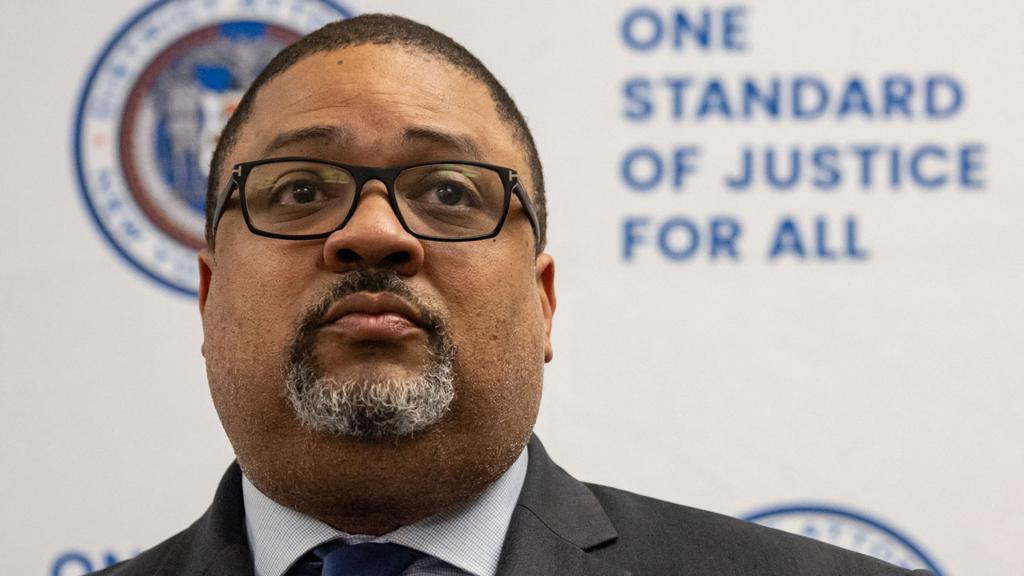
The House Judiciary Committee report cites a January 2022 memorandum from Manhattan District Attorney Alvin Bragg. In this memo, Bragg directed prosecutors to “seek dispositions that avoid immigration consequences for all misdemeanors, and all felonies for which non-carceral outcomes are the presumptive outcome.” Bragg has stated that it is “appropriate” for prosecutors to “consider any likely immigration consequences” in cases involving foreign nationals. This approach, according to the report, is part of a broader effort to ensure that criminal convictions do not automatically trigger deportation for non-citizen defendants.
Bronx District Attorney Darcel Clark is also accused in the report of training prosecutors to consider immigration consequences even in cases involving aggravated felonies, crimes against children, domestic violence, strangulation, and firearms offenses. The report includes a screenshot of Clark’s “Immigration-Conscious Plea Bargaining: A Prosecutor’s Guide,” which outlines strategies such as avoiding convictions for aggravated felonies and offering non-deportable offenses to help defendants remain eligible to stay in the U.S. This guide reportedly instructs prosecutors to structure plea deals in ways that minimize the risk of deportation, regardless of the underlying offense.
Queens District Attorney Melinda Katz’s office reportedly advises prosecutors to use “extreme caution” when handling cases involving unauthorized immigrants. The office guidance suggests avoiding a strict focus on the distinction between felonies and misdemeanors, and instead considering the potential immigration consequences of any conviction. Katz employs an “immigration specialist” whose role is to assist prosecutors in crafting plea deals that prevent “unwanted immigration consequences.” This specialist is tasked with helping ensure that plea agreements do not inadvertently trigger removal proceedings for non-citizen defendants.
Brooklyn District Attorney Eric Gonzalez has, according to the report, maintained a policy for the past decade aimed at minimizing the immigration consequences of criminal convictions, particularly for misdemeanors and other low-level offenses. The report states Gonzalez has “boasted” about securing plea deals that allow immigrant defendants to avoid deportation. Gonzalez’s office is described as having a longstanding commitment to considering immigration status in plea negotiations, with the goal of preventing what his office views as unnecessarily harsh immigration penalties for minor offenses.
Staten Island District Attorney Michael McMahon is also named in the report, though fewer details are provided about his office’s specific policies. The committee alleges that McMahon’s office, like those of the other district attorneys, instructs prosecutors to take immigration status into account when making charging and plea decisions.
Broader Implications and Criticism
The Judiciary Committee report argues that these practices distort crime statistics and undermine federal immigration enforcement. According to the committee, by reducing charges or seeking alternative plea agreements for unauthorized immigrants, local prosecutors may prevent federal authorities from identifying and removing individuals who would otherwise be subject to deportation. The report claims that some individuals convicted of lesser charges have gone on to commit more serious crimes, though it does not provide detailed case studies or data to support this assertion.
The report also points to similar tactics being used by prosecutors and judges in other sanctuary cities across the country, suggesting that the trend is not limited to New York City. As an example, the report references an incident involving former Wisconsin Judge Hannah Dugan, who was convicted of obstruction after interfering with federal agents attempting to arrest a Mexican unauthorized immigrant outside her courtroom. Dugan was fined $5,000 but received no prison time. The committee cites this case as evidence of what it describes as a broader pattern of local officials impeding federal immigration enforcement efforts.
“District Attorneys Melinda Katz, Darcel Clark, Alvin Bragg, Eric Gonzalez, and Michael McMahon ensure prosecutors in their offices give preferential treatment to foreign nationals based solely on their immigration status—all so that criminal aliens can avoid deportation and remain in the United States indefinitely.”
— House Judiciary Committee press release
Supporters of sanctuary policies and these prosecutorial practices have not publicly responded to the committee’s report. The district attorneys named in the report have not issued statements addressing the allegations. The debate over whether local prosecutors should consider immigration status in criminal cases remains contentious, with both sides arguing that their approach best serves justice and public safety.
The House Judiciary Committee’s report adds to the ongoing scrutiny of sanctuary policies and the role of local law enforcement in federal immigration matters. As the national conversation continues, the practices of New York City’s district attorneys are likely to remain under close examination by both supporters and critics of immigration reform.