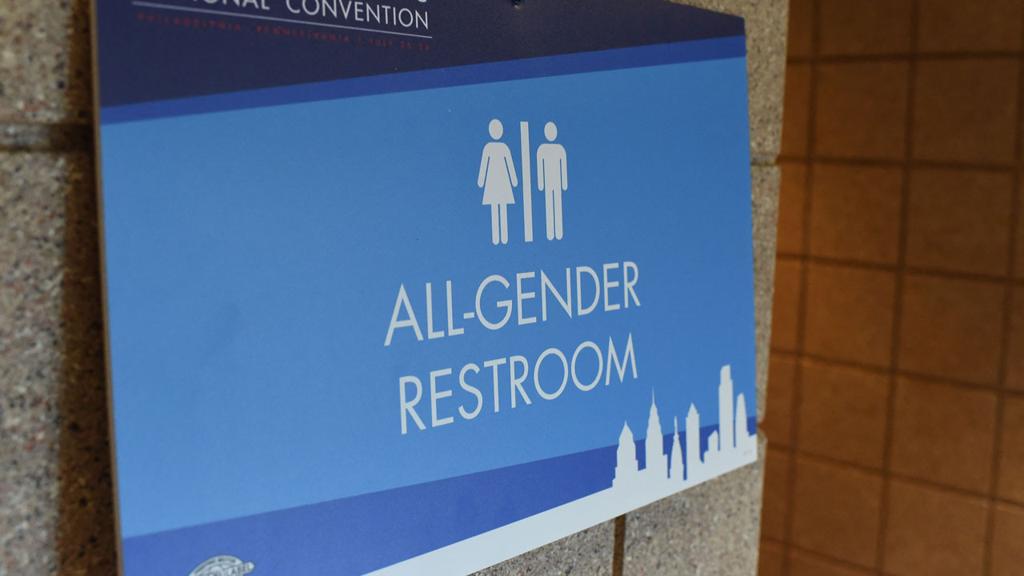
A Boise, Idaho, school district has agreed to pay $34,000 to settle a lawsuit brought by a female high school student who encountered a male student in a girls’ bathroom. Advocates say this marks the first successful enforcement of Idaho’s school bathroom law, highlighting a growing legal battle over school bathroom policies across the United States.
Explainer The Complex Legal Landscape of Abortion Laws After Dobbs
Idaho’s law, passed in 2023, requires public schools to maintain separate bathrooms for biological males and females. The law allows students to file private lawsuits for $5,000 per incident if schools permit students of the opposite biological sex to use their facilities. The Idaho Family Policy Center (IFPC) Legal Center, which represented the student known as “Jane,” said the settlement is the first time a female student has received damages after being exposed to a male student in a school bathroom.
Details of the Lawsuit and Settlement
According to the IFPC, the lawsuit was filed after Jane, a sophomore at Boise High School, encountered a male student in the girls’ restroom. The school had permitted the transgender-identifying male student to use the girls’ facilities as part of a gender support plan. Jane’s parents raised concerns with school officials, who cited the support plan as justification for their decision. The IFPC Legal Center then sued the Boise School District, alleging a violation of Idaho law.
The district’s insurance provider ultimately agreed to pay $34,000 in damages and attorney fees to settle the case. IFPC described the outcome as a significant victory for the privacy and safety of girls in Idaho schools.
"We’ve secured a victory against the Boise School District—and it’s a huge win for the privacy and safety of girls!"
— Caleb Pirc, Idaho Family Policy Center
The IFPC said the case demonstrates the effectiveness of private causes of action, which allow individuals to enforce the law even if local officials are unwilling to do so. The group also argued that insurance companies’ reluctance to defend such cases can drive compliance among school districts, as the financial risk may encourage districts to follow state law more closely.
Legal Background and Court Rulings
Idaho’s school bathroom law was drafted and championed by the Idaho Family Policy Center and sponsored by Rep. Ted Hill and Sen. Ben Adams. The law took effect in July 2023 but was quickly challenged in court by students who argued it discriminated against transgender students. The Ninth U.S. Circuit Court of Appeals initially blocked the law, but later ruled that the constitutional challenge was “unlikely to succeed on the merits,” allowing the law to take effect again. The court recognized the state’s interest in protecting students from exposure to the unclothed bodies of the opposite sex, which supporters of the law say is a key justification.
The IFPC credited the law’s detailed drafting and enforceability for its survival in court and its practical impact. The group said the settlement sends a message to other school districts that compliance with the law is not optional and that there are real consequences for failing to follow the statute.
Broader Implications and Responses
Supporters of Idaho’s law argue that it is necessary to protect the privacy and safety of students, particularly girls, in school bathrooms. They say the law provides clear guidelines for schools and gives families a way to seek redress if those guidelines are not followed. Critics, including some civil rights groups, have challenged similar laws in other states, arguing that they discriminate against transgender students and violate their rights. Legal challenges to such laws are ongoing in several states, reflecting a broader national debate over the rights of transgender students and the responsibilities of schools.
The Boise School District did not provide a public response to the settlement in the available sources. However, the district’s decision to settle the lawsuit rather than continue litigation may influence how other Idaho school districts approach similar situations in the future.
Idaho’s approach, which relies on private lawsuits rather than administrative enforcement, is being promoted by advocates as a model for other states seeking to implement and defend similar policies. The IFPC said it hopes the outcome will encourage other states to adopt enforceable laws with private causes of action, arguing that such provisions make it more likely that schools will comply with state requirements.
The settlement marks the first time Idaho’s school bathroom law has been enforced through litigation. Advocates say they plan to pursue further cases if other districts fail to comply, and the outcome of this case is likely to be closely watched by policymakers and school officials both in Idaho and in other states considering similar legislation.