Joe Abraham, whose daughter Katie was killed in a car crash caused by a previously deported Guatemalan national driving drunk, is urging Wisconsin voters to avoid adopting immigration policies similar to those in Illinois. Abraham spoke out ahead of Wisconsin's Democratic primary, warning that sanctuary state measures in Illinois contributed to his daughter's death and could have similar consequences if implemented in neighboring states.
The debate centers on whether Wisconsin should follow Illinois in limiting cooperation between local law enforcement and federal immigration authorities, a move critics argue undermines public safety. Abraham’s personal story has become a focal point for opponents of sanctuary policies as the issue gains attention in the state’s gubernatorial race.
Abraham's daughter was killed in January 2025 when Julio Cucul-Bol, who was in the country illegally and had been previously deported, crashed into her vehicle at high speed in Urbana, Illinois. Cucul-Bol was sentenced to 30 years in prison, but Abraham says the tragedy was preventable and blames Illinois' sanctuary policies for enabling the crime. In testimony before a Senate committee, Abraham stated, “Katie’s death was not inevitable. It was preventable.”
"I think once you go down that path you’re sort of stuck. It doesn’t end well. It certainly didn’t end well for my family."
— Joe Abraham, father of Katie Abraham
Illinois Sanctuary Policies and Their Impact
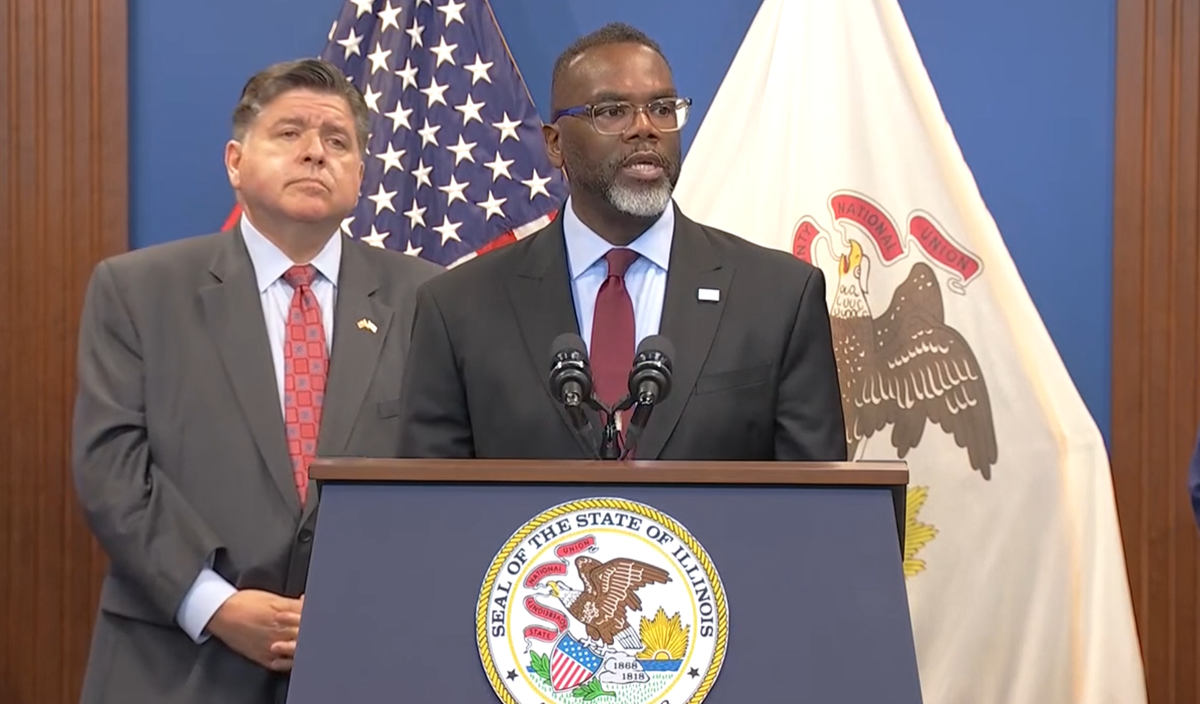
Under Governor JB Pritzker, Illinois expanded restrictions on local law enforcement cooperation with Immigration and Customs Enforcement (ICE), building on the 2017 TRUST Act signed by former Governor Bruce Rauner. These measures limit the ability of state and local police to honor ICE detainers or share information about individuals’ immigration status with federal authorities. According to the Department of Homeland Security, these policies have resulted in the release of more than 1,700 people in the country illegally, including individuals convicted of violent crimes, from Illinois custody without honoring federal detainers. DHS has publicly criticized the state's approach, arguing it endangers communities.
Illinois Republicans, including State Sen. Dave Syverson, have introduced legislation to roll back sanctuary measures, but such efforts have not advanced in the Democratic-controlled legislature. Law enforcement officials in Illinois have also called for reforms, citing cases where people in the country illegally have committed additional crimes after being released. Supporters of sanctuary policies, however, argue that these measures foster trust between immigrant communities and police, making it easier to report crimes and cooperate with investigations.
Wisconsin Gubernatorial Race and Policy Debate
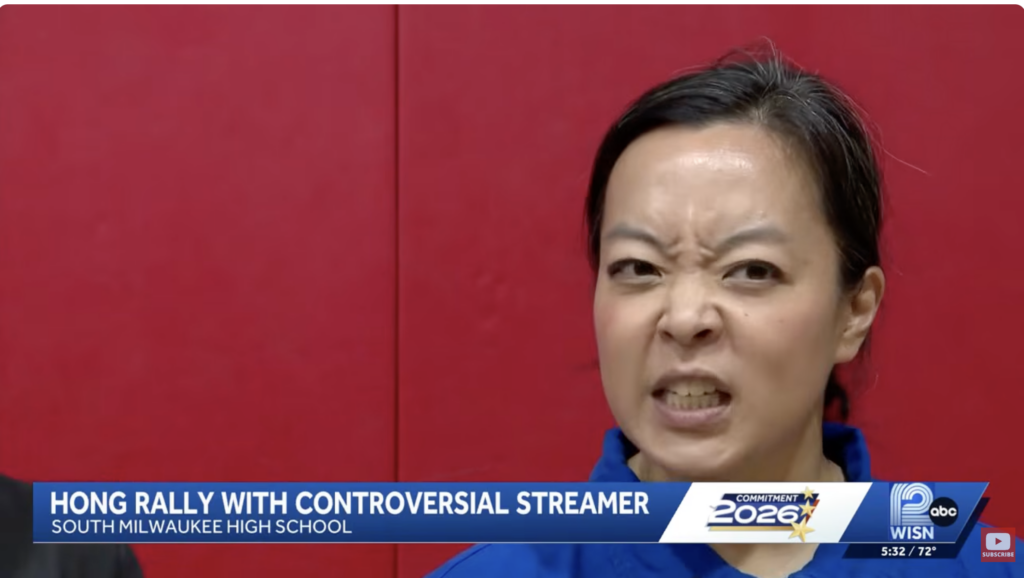
The Wisconsin Democratic primary features state Rep. Francesca Hong, who has publicly supported abolishing ICE and defunding police. Hong has introduced the "Keep Families Together" proposal, a set of bills that would prohibit state and local cooperation with ICE and close detention centers for unauthorized immigrants. Hong has described ICE as a "rogue agency" and called for its abolition in social media posts, arguing that immigration enforcement should not be handled by local police.
Hong's main rival, Milwaukee County Executive David Crowley, has also opposed local law enforcement collaboration with ICE, stating, “Local law enforcement in Wisconsin should not get deputized as federal immigration agents, and no one should get access to a county jail without a judicial warrant.” Crowley supports issuing driver's licenses to people in the country illegally, a policy already in place in Illinois. He argues that such measures improve road safety and allow immigrants to participate more fully in the economy.
State Sen. Kelda Roys, another Democratic candidate, has called ICE "incompatible with a free society" and criticized its enforcement practices. Republican candidate Tom Tiffany has highlighted these positions as evidence of a broader shift in the Democratic Party toward policies he argues would undermine public safety. Tiffany and other Republicans have pointed to cases like the one involving Abraham’s daughter as reasons to maintain cooperation with federal immigration authorities.
Broader Context and Responses
The debate in Wisconsin comes as sanctuary policies remain a contentious issue nationwide. Abraham's warnings echo concerns from some law enforcement officials and Republican lawmakers who argue that limiting cooperation with federal immigration authorities increases risks to public safety. They contend that sanctuary policies can lead to the release of individuals who may pose a threat to the community, citing examples from Illinois and other states.
Supporters of sanctuary policies, including Hong and Crowley, argue that such measures protect immigrant communities and prevent local resources from being diverted to federal enforcement. They say that when immigrants fear deportation, they are less likely to report crimes or cooperate with police, undermining public safety in other ways. Advocates also point to studies suggesting that sanctuary policies do not lead to higher crime rates and may improve relationships between police and the communities they serve.
Governor Pritzker and Illinois officials have not publicly responded to Abraham's recent criticisms. DHS has continued to highlight cases where people in the country illegally released under sanctuary policies have been charged with violent crimes, urging states to reconsider their approach. Joe Abraham has written about his daughter's legacy, calling for policy changes to prevent similar tragedies. As Wisconsin voters prepare to head to the polls, the debate over sanctuary policies and public safety is likely to remain a central issue in the state’s political landscape.