Henry County Public Schools in Southwest Virginia has installed book vending machines in all nine of its elementary schools, providing students with a new way to access books. The machines allow students to earn tokens for positive behavior, which they can exchange for books to keep. According to Superintendent Amy Blake-Lewis, the initiative is designed to make reading more accessible and engaging for young students. The program, funded by the state, began with a ribbon-cutting ceremony and will be available as students return to classes this week.
Explainer Virginia's Legal Battles Over Gun Control, Abortion, and Redistricting Explained
The installation of book vending machines comes as Virginia continues to address learning loss in reading that was exacerbated by the COVID-19 pandemic. While Virginia ranked 10th nationally for reading recovery on this year’s Education Scorecard, the average student in the state still performs about 0.4 grade equivalents below 2022 levels and 0.68 below 2019 levels. These figures highlight the ongoing challenge facing educators and policymakers as they work to help students regain lost ground in literacy.
State and local leaders are seeking innovative solutions to accelerate progress in reading. The book vending machines are one example of these efforts, aiming to make reading more appealing and to reward students for positive actions. Superintendent Blake-Lewis emphasized the importance of such initiatives, saying, “This is one step that we can take to make reading more fun, to make reading more accessible, and to just instill that lifelong love of reading and learning.”
Statewide Imagination Library Launch
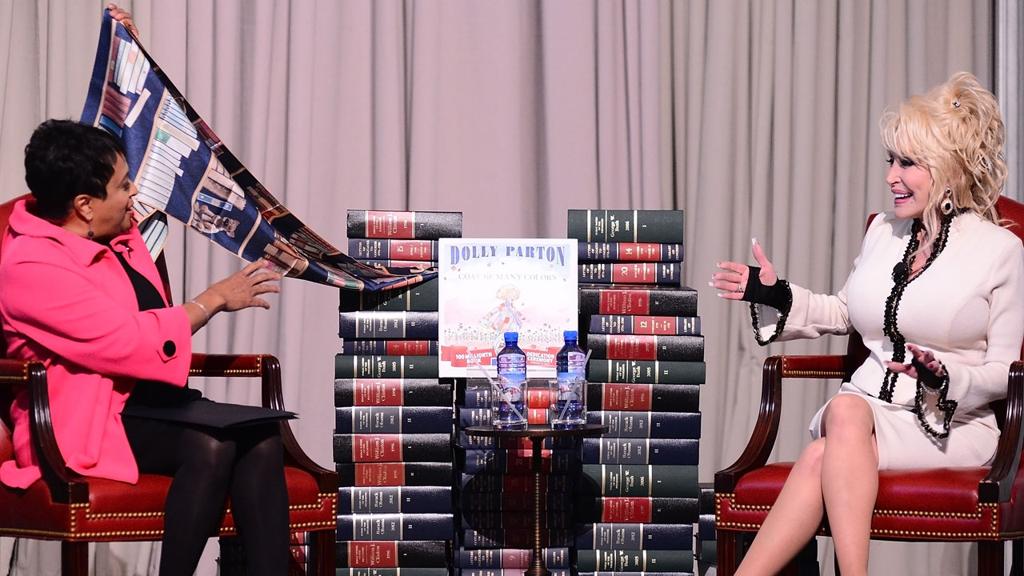
In addition to local efforts, Virginia is rolling out a statewide version of Dolly Parton’s Imagination Library. This program, established by a 2024 state law, provides a free book each month to children from birth until age five. The goal is to foster early literacy and ensure that children have access to books from a young age. The rollout of the statewide program has been gradual, as local affiliates and the Virginia Department of Education work to finalize logistics and coordinate distribution.
Former Republican Delegate Carrie Coyner, who helped write the legislation, noted that implementing a program of this scale takes time. “Any time you do anything that involves government, it is not the fastest moving thing,” Coyner said. Despite the slow rollout, the program is expected to reach families across the state and provide a consistent source of books for young children.
Local Organizations Fill the Gap
While the statewide Imagination Library program ramps up, local organizations have stepped in to expand access to books. The Junior League of the Roanoke Valley, in partnership with Roanoke’s school system and Vinton Baptist Church, recently launched a local Imagination Library program. Courtney Watson of the Junior League said, “The best way to ensure long-term literacy is to make sure that kids get a great, early start.”
Across Virginia, nearly 100 locally managed Imagination Library programs operate, supported by outreach groups such as the Junior Federated Women’s Club of Chester and the Rotary Club of Hopewell. These organizations help increase the program’s reach and ensure that more children receive books. Coyner noted that the cost to mail books is about $26 per child annually, with the potential for lower costs through state and private matching funds. This collaborative funding approach helps sustain and expand the program’s impact.
Nonprofits and Community Partnerships
In Hampton Roads, the nonprofit REACH partners with more than 180 teachers, programs, and agencies to distribute age-appropriate books to children through high school. REACH’s Big Free Bookstore provides new books and school supplies at no cost, serving thousands of families each year. These efforts are part of a broader strategy to promote literacy and support students’ academic growth beyond the classroom.
Summer reading programs also remain active in many school districts across Virginia, with some extending into September to provide additional support. In Henry County, parents have expressed appreciation for the book vending machines, saying they encourage family reading time and help build healthy reading habits at home. These programs aim to keep students engaged with reading throughout the year, not just during the school term.
A Model for Other States
Tom Kane, head of the Center for Education Policy Research at Harvard University, noted in a recent report that state and local leaders in Virginia are “finding ways to get students learning again.” The combination of state funding, local initiative, and public-private partnerships is seen as a model for other states seeking to improve literacy outcomes. By leveraging resources from multiple sectors, Virginia is working to address the complex challenge of learning loss and promote long-term academic success.
Supporters of these programs argue that they will help students recover lost ground in reading and develop a lifelong love of books. However, critics point out that progress remains uneven across the state and that the full impact of new initiatives is yet to be seen. As Virginia continues to implement and expand these programs, educators and policymakers will be watching closely to assess their effectiveness and identify areas for improvement.