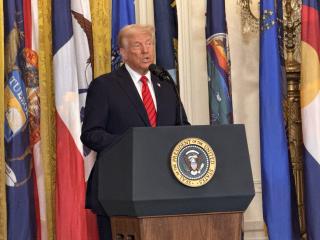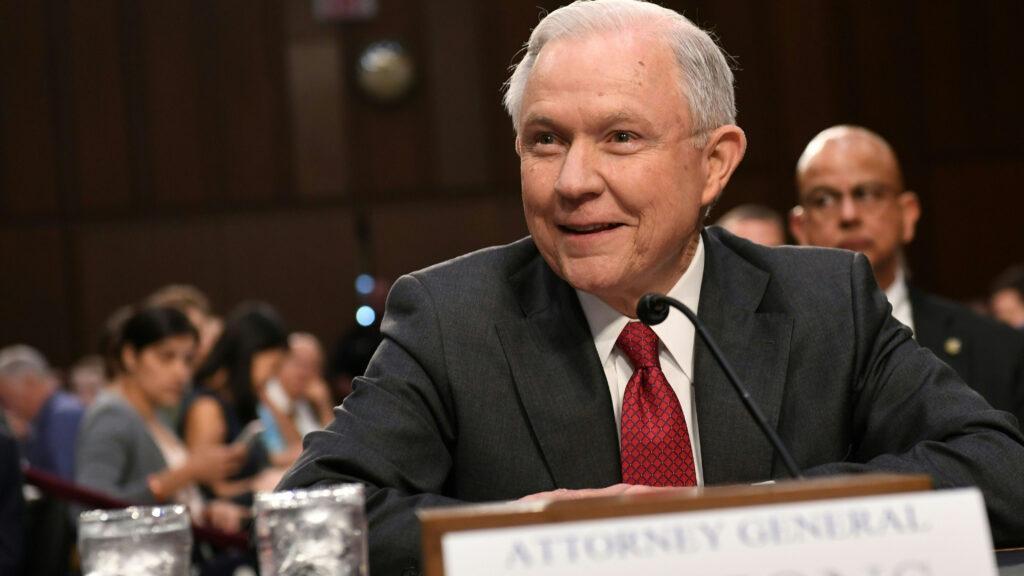
The White House has declassified a set of documents revealing that the FBI launched a classified investigation into then-Attorney General Jeff Sessions in 2017. This probe was initiated following a request from Democratic senators Patrick Leahy and Al Franken, who raised concerns about Sessions’ testimony regarding his contacts with Russian officials during the 2016 presidential election. The investigation, which was codenamed "March Toll," focused on whether Sessions had been truthful in his Senate testimony about these contacts.
The release of these documents underscores how political pressure and ongoing allegations of Russian collusion influenced the early investigative actions taken against officials in the Trump administration. The documents provide a rare look into the internal deliberations and processes that shaped federal law enforcement decisions during a highly charged political period.
The FBI formally opened the investigation on May 10, 2017, just one day after President Donald Trump dismissed FBI Director James Comey. According to a contemporaneous memo, the case was categorized as a "sensitive investigative matter" and was placed under "prohibited status" by Assistant FBI Director E.W. "Bill" Priestap. This status limited access to the case file, which was stored in a sensitive compartmented information facility at the FBI's Washington Field Office. The investigation was triggered by a letter dated March 20, 2017, from Senators Leahy and Franken to then-FBI Director Comey. In their letter, the senators accused Sessions of providing "discernibly false" testimony about his interactions with Russian Ambassador Sergey Kislyak.
Senators' Letter and FBI Response
In their letter, Leahy and Franken cited Sessions' responses during his Senate confirmation process, in which he denied having communications with Russian officials about the 2016 election. The senators referenced media reports indicating that Sessions had met with Kislyak in 2016 while serving as a U.S. senator from Alabama. Based on these reports, they called for an investigation into whether Sessions had lied under oath during his confirmation hearing.
Sessions responded to these allegations in a letter dated March 6, 2017, addressed to the leaders of the Senate Judiciary Committee. In his response, Sessions maintained that he had told the truth during his confirmation hearing and denied any wrongdoing. Despite his assurances, the request from Leahy and Franken led the FBI to open a formal probe. The sensitive nature of the investigation meant that details were tightly held within the bureau and access to the case file was highly restricted.
Special Counsel and Probe Closure
Following the controversy over his Senate testimony, Sessions recused himself from the broader Russia investigation. In the wake of his recusal, Deputy Attorney General Rod Rosenstein appointed Robert Mueller as special counsel to oversee the Russia probe. The investigation into Sessions’ testimony was folded into the special counsel’s broader mandate.
By May 2018, Aaron Zebley, a senior official in Mueller’s office, wrote to the investigative team to confirm that, after interviewing Sessions and conducting additional investigative steps, the special counsel had closed its inquiry into whether Sessions had made false statements or committed perjury in his Senate testimony.
"After interviewing the Attorney General and conducting additional investigation, the SCO closed its investigation of potential false statements or perjury in the Attorney General’s confirmation hearing testimony and related written submissions to Congress."
— Aaron Zebley, special counsel's office
Zebley’s communication also noted that the investigation could be reopened if new material information emerged. Sessions’ private counsel was informed of the closure of the probe in March 2018, bringing an end to the inquiry into his Senate testimony.
Fallout for Key Figures
The investigation and its aftermath had significant consequences for several of the key figures involved. Al Franken, one of the senators who requested the probe, resigned from the Senate in January 2018 amid a sexual harassment scandal. Patrick Leahy, who had served eight terms in the Senate, did not seek reelection. Jeff Sessions, the subject of the investigation, resigned as attorney general in November 2018 after a series of public disagreements with President Trump over the handling of the Russia investigation.
E.W. "Bill" Priestap, the FBI official who authorized the Sessions investigation, left the bureau in 2019. That same year, a Justice Department inspector general report found that Priestap had played a central role in launching the broader Trump-Russia investigation, known as "Crossfire Hurricane," and had also been involved in the prosecution of former National Security Adviser Michael Flynn.
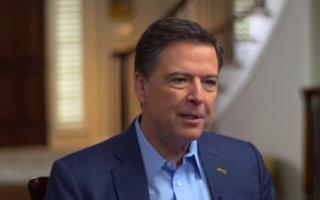
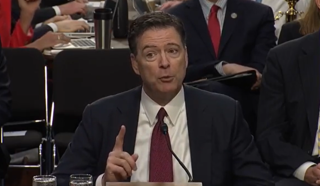
James Comey, the former FBI director fired by Trump, became a vocal critic of the president after his dismissal. Comey was indicted in April after posting a photo that was widely interpreted as a threat to the president. Neither the White House nor FBI officials have publicly commented on the newly declassified documents or responded to criticism regarding the origins of the Sessions probe.
The Mueller report, released in April 2019, ultimately found no evidence of a criminal conspiracy between the Trump campaign and Russia. However, the report did note that the Trump campaign was aware of Russian efforts to interfere in the 2016 election. The release of these declassified documents adds further detail to the complex and politically charged investigations that marked the early years of the Trump administration.