Understanding Indictments: The Bedrock of America’s Criminal Justice System
Explore how indictments function as a crucial legal safeguard in the U.S., ensuring serious crimes face scrutiny before prosecution.
Additional reporting by Theo Ramirez
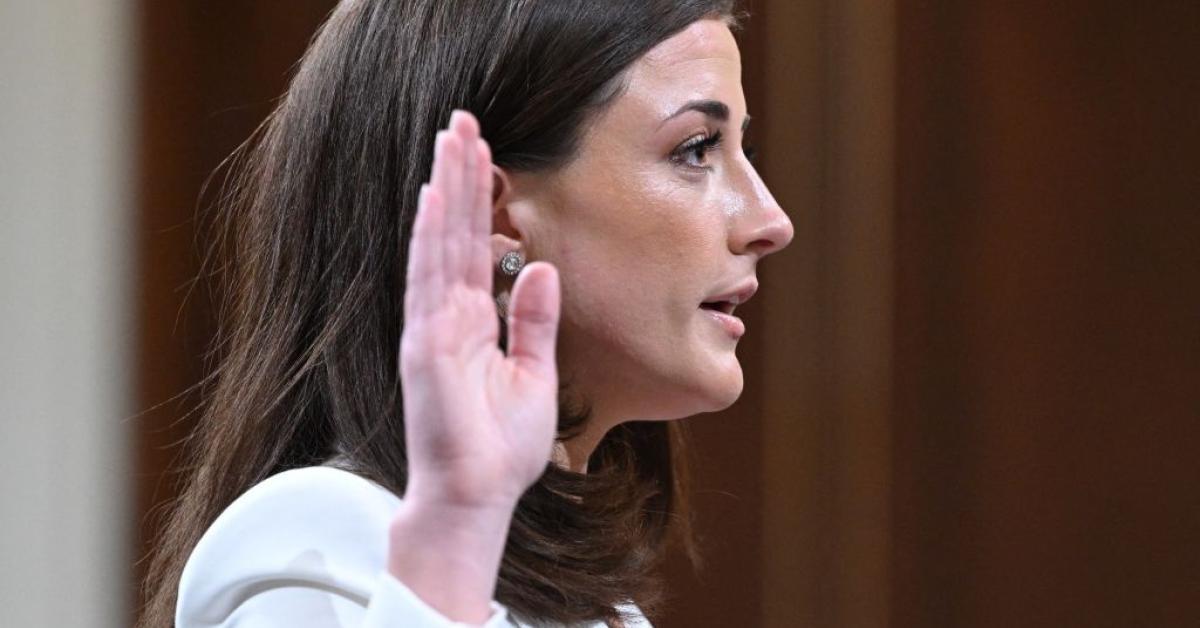
In the American legal system, an indictment stands as a cornerstone of criminal justice — a formal assertion by a grand jury that there is probable cause to believe someone committed a crime. This official charge is much more than a mere accusation: it opens the door to prosecution and trial, ensuring that an individual or an organization cannot face serious criminal charges without preliminary vetting by impartial citizens. Unlike the rush to prosecute that can sometimes characterize politically motivated investigations, the indictment process guards against unfounded or partisan legal actions.
Understanding indictments goes beyond legal jargon; it reveals how the Constitution’s framers sought to protect citizens from government overreach by embedding due process into the pathway of criminal prosecution. At its core, an indictment is a rare check on prosecutorial power, wielded through the collective judgment of a grand jury rather than left solely to prosecutors’ discretion. Appreciating this function underscores why ongoing discussions about high-profile indictments worldwide warrant sober evaluation within the context of America's robust, yet fragile, justice framework.
The Legal Foundation and Process of Indictments
"Indictments must remain impartial shields against politically motivated prosecutions, preserving justice and constitutional rights for all Americans."
At its essence, an indictment is a formal charge that initiates a criminal case, usually issued by a grand jury after reviewing the prosecutor’s evidence. Unlike preliminary hearings conducted by a judge, the grand jury allows ordinary citizens—typically 16 to 23 in number—to act as a buffer between the state and the accused. Prosecutors present evidence and witnesses to this group to demonstrate probable cause, the legal standard that supports enough suspicion to formally charge someone.
This process is vital because it equalizes power dynamics. Instead of having a single prosecutor decide who goes to trial, a body of peers must agree that the case warrants further legal action. This framework helps to prevent frivolous lawsuits and politically motivated prosecutions that could otherwise abuse the accused’s liberties. Some indictments, such as those for serious felonies, are mandatory, underscoring the high bar for sending someone to court with grave criminal allegations.
Moreover, indictments include specific details: the identity of the accused, the charges, and the alleged criminal acts. This transparency allows for clear understanding and timely preparation by the defense. Compared to other criminal procedures, indictments provide a formal roadmap of the government's case at an early stage, which acts as a safeguard against secretive or arbitrary legal actions.
Historically, the grand jury indictment was enshrined in the Fifth Amendment in response to abuses by the British Crown, where charges were often brought without citizen oversight. The framers intended the grand jury to serve as a citizen check on government overreach, ensuring that prosecutions were not wielded as weapons by those in power. Today, this ancient safeguard remains vital in balancing prosecutorial zeal with defendants' rights.
Federal Versus State Indictment Practices
Indictments are issued at both federal and state levels, but the processes and their necessity can vary. At the federal level, indictments typically are required for felony charges and are often preceded by high-profile grand jury investigations. For instance, cases involving allegations of national security breaches or political misconduct often begin with this formal step. A notable example is the Department of Justice seeking to indict individuals like Cassidy Hutchinson for alleged false statements, demonstrating federal indictments’ role in addressing serious misconduct.
State procedures differ widely. Some states require grand jury indictments for felonies, whereas others allow for charges to proceed after preliminary hearings before a judge. This variation sometimes fuels debate about whether states uphold the same level of protection for defendants. The grand jury model's proponents argue that it provides an important layer of citizen oversight, whereas critics worry about paternalism or inefficiency. Still, the federal model remains the gold standard against which other practices are often judged.
Several high-profile cases have illustrated the weight and limitations of indictments on the state level. From political corruption charges to financial fraud allegations, the indictment process plays a decisive role in whether authorities can pursue justice or cross the line into overreach. For example, the Arizona attorney general’s plans for new indictments in a politically charged electors case highlight these tensions.
It is important to note that while federal indictments are often more publicized, many state indictments involve significant cases with substantial political ramifications, impacting local governance and public trust. The varying state rules on grand jury secrecy, transparency, and defendant rights further complicate the landscape where protections can be uneven across the country.
Indictments as a Political Tool and the Conservative Viewpoint
While designed as a protective measure against arbitrary prosecution, indictments have increasingly become entangled with political narratives. In cases involving political figures or causes, critics—especially on the right—warn that indictments are sometimes weaponized by prosecutors influenced by partisan agendas or media pressure. The surge in politically sensitive indictments heightens concerns about the erosion of DOJ independence and prosecutorial discretion becoming a tool for political vendettas rather than justice, as seen in controversy around the indictment of former FBI Director James Comey.
Defenders of the indictment process emphasize that it still remains one of the last intact hurdles against the unfettered power of prosecutors who may push questionable cases for political gain. Unlike immediate arrests or charges, an indictment requires grand jury approval — a community-based decision-making process that injects fairness and prevents knee-jerk legal actions. This is why efforts to bypass or weaken grand juries raise alarm in conservative circles, who see it as an erosion of constitutional protections.
Moreover, the coverage and public discourse about indictments often reflect media biases, distinctively shaping public perception. For example, some outlet narratives have downplayed legal details in favor of sensationalism, swaying opinions prematurely. Our analysis of the media push to undermine Comey's indictment illustrates how the layering of politics and media can confuse the essence of what indictments are intended to guarantee: a fair, impartial threshold for prosecution.
The conservative viewpoint stresses that indictments should not become a tool for public shaming without due process. The presumption of innocence before trial must remain a cornerstone of justice. The abuse of indictments to settle political scores threatens civil liberties and undermines confidence in legal institutions. Thus, protecting the grand jury from politicization and ensuring prosecutorial accountability are priorities for conservative legal advocates.
Indictments and the Broader Impact on the Rule of Law
Indictments do far more than just start trials; they affect the stability of the rule of law in America. If abused, they can chill political dissent, stifle business innovation, or ruin lives based on insufficient or fabricated evidence. This is particularly consequential given the growing number of high-profile indictments targeting media figures, nonprofits, and elected officials—such as the Southern Poverty Law Center facing expanded indictments amid scrutiny. Such cases require vigilance to ensure indictments remain tools of justice rather than instruments of intimidation.
An indictment’s public announcement also carries heavy stigma, often before defendants have had the chance to prove innocence. This raises a delicate balance: the public’s right to transparency versus the risk of damaging reputations and careers unnecessarily. Conservative perspectives argue that protecting innocent Americans from the consequences of politically driven indictments is as important as punishing genuine criminal conduct.
Furthermore, the indictment process intersects with ongoing debates about DOJ autonomy and accountability. A recent judge ruling prevented a politically connected prosecution from moving forward, citing conflicts of interest, illustrating judicial checks designed to uphold fairness within the indictment framework. This dynamic shows that multiple layers of oversight are essential in preserving the integrity of the criminal justice system.
This system of checks and balances is integral to safeguarding freedoms while prosecuting crime. It underscores why the grand jury is important not only as a procedural step but as an emblem of citizen participation in justice—ensuring legitimate criminal accusations proceed with community consensus and protecting against misuse.
Navigating Future Challenges and Reforms
Looking ahead, several issues loom large for the indictment process. Calls for reform echo from both sides of the political spectrum: conservatives emphasize strengthening protections against prosecutorial overreach and politicization, while some advocates focus on increasing transparency and grand jury empowerment. This tension reflects the complex nature of indictments as both shields for the accused and checks on crime.
Technology and media evolution also impact indictments. Social media platforms and rapid news cycles accelerate the spread of legal information or misinformation, sometimes undermining the solemnity and due process safeguards traditionally associated with indictments. Public figures like media personality Don Lemon facing charges in contentious legal proceedings remind us of the cultural stakes involved when indictments hit the headlines and the court of public opinion simultaneously (/2026/01/30/courts-law/don-lemon-indicted-for-involvement-in-church-disruption/).
Conservatives advocate that the legal system must preserve the grand jury’s role and resist shortcuts that dissolve this safeguard for expediency or political convenience. Reforms should focus on enhancing the grand jury’s independence and ensuring prosecutorial accountability without diminishing the public’s ability to hold criminals accountable. The indictment process must remain a fortress against arbitrary punishment, not a tool for partisan persecution.
In sum, how indictments are handled today will significantly shape the future of American justice and political freedom. Maintaining a judicious, evidence-based approach to criminal accusations is essential not just for law enforcement but for the preservation of constitutional liberties that define the nation.
Frequently asked questions
What is an indictment in the criminal justice system?
An indictment is a formal accusation issued by a grand jury stating that there is probable cause to prosecute someone for a crime.
Who issues an indictment?
Typically, a grand jury consisting of ordinary citizens issues indictments after reviewing evidence presented by prosecutors.
Are indictments required for all criminal cases?
No, indictments are primarily required for serious crimes such as felonies, but some cases proceed via preliminary hearings before a judge.
How do indictments protect against political prosecutions?
By requiring approval from a grand jury rather than a single prosecutor, indictments create a layer of citizen oversight that filters out unfounded or politically motivated charges.
Can indictments impact a person’s reputation before trial?
Yes, public indictments often carry a stigma that can damage reputations, which is why due process safeguards are critical.
What is the difference between federal and state indictments?
While both can involve grand juries, specific rules and requirements vary widely by state; the federal system generally mandates grand jury indictments for felony cases.
Can an indictment be dismissed or challenged?
Yes, defendants can challenge indictments on procedural or evidentiary grounds, and courts sometimes dismiss charges if the indictment is flawed.
How do indictments relate to prosecutorial discretion?
Indictments limit prosecutorial discretion by requiring grand jury approval before serious charges proceed to trial.
Timeline of our coverage
- 2026-10-08 — DOJ Seeks Indictment of Cassidy Hutchinson for Alleged False Statements to Congress
- 2026-06-05 — Southern Poverty Law Center Faces Expanded Indictment Amid Ongoing Legal Scrutiny
- 2026-06-05 — Arizona AG Kris Mayes Plans New Indictment in Trump Electors Case
- 2026-06-04 — Southern Poverty Law Center Indicted for Allegedly Funding Racist Posts
- 2026-01-30 — Don Lemon Indicted for Involvement in Church Disruption
- 2025-11-24 — Judge: Halligan Can't Prosecute Comey Since Trump Appointed Her
- 2025-11-21 — Media Push To Sink Comey Indictment Was Based On A Lie
- 2025-11-20 — House Dem Indicted For Bankrolling Campaign With FEMA Funds
- 2025-11-13 — Newsom's Ex-Chief Of Staff Indicted For Fraud Scheme
- 2025-11-11 — Evidence Contradicts Comey's Claim His Indictment Is Political
- 2025-10-16 — John Bolton Indicted For Mishandling Classified Information
- 2025-10-09 — Letitia James Indicted for Mortgage Fraud
- 2025-10-09 — Indictment of James Comey Raises Concerns Over DOJ's Independence
- 2025-09-30 — James Comey Indicted on Two Counts by Grand Jury
- 2025-09-26 — James Comey Indicted for Obstruction and False Statements
- 2025-09-26 — James Comey Indicted on Charges of Lying to Senate Committee
- 2025-09-26 — Former FBI Director James Comey Indicted on False Statements Charges
- 2025-09-26 — James Comey Indicted on Obstruction and False Statement Charges
The Bottom Line
- Indictments ensure no individual faces serious charges without preliminary citizen review, preserving due process.
- They act as a critical check against prosecutorial overreach and politically motivated legal actions.
- The process upholds constitutional protections essential to the rule of law and individual liberty.
- Understanding indictments clarifies current debates about justice, media influence, and political fairness.

Sources
- Federal Grand Jury Charges Southern Poverty Law Center for Wire Fraud, False Statements, and Conspiracy to Commit Money Laundering
- Federal Grand Jury Charges Southern Poverty Law Center for Wire Fraud, False Statements, and Conspiracy to Commit Money Laundering
- U.S. Supreme Court
- Legalclarity.org: Southern Poverty Law Center Federal Indictment Explained
- Legalclarity.org: Southern Poverty Law Center Fbi Fraud Charges Explained
- Legalclarity.org: Splc Hate Crimes Indictment Charges Defense And Fallout
- Thedailybeast.com: Trump Goon Todd Blanche Frantically Try To Indict Jan 6 Whistleblower Cassidy Hutchinson
- Apnews.com: Db7fdcf9baa0d1b24b8f1e1f2cebc0be
- Axios.com: Secret Service Cassidy Hutchinson Jan6 (Jun 29, 2022)
- En.wikisource.org: Southern Poverty Law Center Indictment
- En.wikipedia.org: Southern Poverty Law Center