The Battle Over Higher Education’s Future: DEI, Admissions, and Federal Oversight
Explore the ongoing federal challenges to diversity initiatives and admissions policies in U.S. colleges, and their implications for academic freedom and fairness.
Additional reporting by Liam Walker, Theo Ramirez
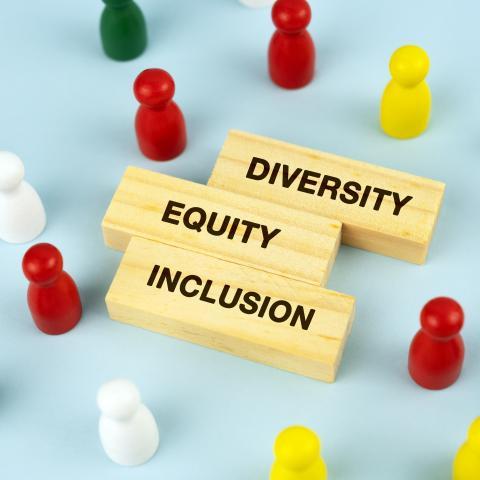
Higher education in America is undergoing a profound transformation, marked by growing federal scrutiny of race-conscious admissions and diversity, equity, and inclusion (DEI) programs. This shift reflects a politically charged effort to recalibrate the role of identity-based initiatives in academic institutions. As public and private universities navigate this evolving landscape, conservative perspectives emphasize enforcing equal treatment under the law and safeguarding intellectual freedom from ideological conformity.
This explainer unpacks the critical federal actions challenging DEI programs and admissions policies, their legal foundations, and the broader cultural and political stakes. These developments reveal deep tensions over the purpose of higher education, the scope of federal funding, and standards of academic integrity, making it essential for students, parents, and policymakers to understand the implications.
Federal Enforcement Against Racial Preferences in Admissions
"Enforcing equality under the law means ending preferential treatment and ideological mandates that undermine merit and fairness in education."
At the forefront of this policy shift is the U.S. Department of Justice (DOJ) and Department of Education's crackdown on universities allegedly engaging in unlawful racial preferences. In September, a landmark government finding concluded that the University of California, Berkeley School of Law discriminated against white and Asian applicants by giving preferential admissions treatment to Black candidates. This determination was based on statistical evidence demonstrating that Black applicants had significantly higher odds of admission compared to equally or better-qualified applicants of other races. The agencies asserted that these practices violated Title VI of the Civil Rights Act of 1964 and the Supreme Court’s decision in Students for Fair Admissions v. Harvard, which barred race-conscious admissions policies.
This finding is not isolated. Similar inquiries have targeted UCLA School of Law, with allegations that its admissions system unlawfully favored certain racial groups to the detriment of others. These investigations signal a robust federal commitment to dismantle admissions methodologies that prioritize race over merit, aiming to enforce constitutional equality and protect the rights of all applicants.
The government’s aggressive posture aligns with conservative advocacy for race-neutral admissions, positing that affirmative action often undermines individual merit and institutional fairness. To this end, some states like Texas have taken proactive steps, with public universities adopting alternative admissions metrics such as the Classic Learning Test, which emphasize knowledge and critical thinking over identity factors, as recently covered in our examination of Texas public universities accepting new admissions tests.
Opponents of this approach argue that ending race-conscious admissions ignores persistent systemic disparities. Yet this debate underscores a core conservative principle: equal opportunity must supersede group preferences, and policies must be grounded in law rather than ideological aims.
Curtailing Federal Funding for DEI Initiatives
Beyond admissions, the Trump administration’s Department of Education and DOJ have systematically challenged DEI programs, particularly those funded with taxpayer dollars. In August 2025, the Supreme Court greenlit cuts to nearly $783 million in National Institutes of Health grants linked explicitly to DEI research agendas. These funds supported projects emphasizing identity politics and social justice frameworks, which conservatives argue detract from objective science and merit-based scholarship.
Moreover, in early 2025, the Department of Education issued stern warnings to educational institutions that federal funding could be revoked unless DEI policies were rescinded within a short deadline. The administration contended that such policies inherently discriminate by treating individuals differently based on race or sex, violating federal civil rights law. This enforcement stance has placed universities under enormous pressure to reconsider formal diversity offices, mandatory trainings, and race-based initiatives.
Conservatives view this as a necessary correction to what was perceived as an overreach of ideological activism under the guise of promoting diversity. It highlights an emphasis on uniform application of civil rights protections without endorsing preferential treatment. Universities caught in this crossfire often argue these programs foster inclusion and remediate historical injustice, framing federal actions as attacks on campus culture. Our reporting on the Trump administration's targeting of university DEI programs details the federal rationale and institutional responses.
This tension illustrates a fundamental battle over federal funding priorities and the appropriate role of government in shaping campus environments versus protecting free expression and intellectual diversity.
Academic Freedom and Censorship Challenges on Campus
An accompanying issue within higher education is the ongoing concern about academic freedom and ideological diversity. Conservative voices have raised alarms about censorship and suppression of dissenting viewpoints, especially on politically sensitive topics. Cases like the University of Washington settling with a professor over censorship of a mock land acknowledgment exemplify how academic debate is increasingly contested terrain. Our coverage of that settlement with the professor reveals the complexities of balancing respect for heritage with free inquiry.
Similarly, reports of Christian and GOP student groups being denied official recognition at some colleges prompt legal battles over viewpoint discrimination and equal access on campus. Such controversies highlight how ideological conformity pressures clash with First Amendment protections and institutional fairness.
Prominent academics, including professors at Carnegie Mellon and Cambridge, have faced scrutiny not only over controversial social media posts but also allegations of plagiarism and misrepresentation of biography. These episodes sometimes intersect with disputes over DEI narratives, raising questions about standards of scholarship and the politicization of academic credentials. Learn more from our detailed profile of the Cambridge professor's plagiarism allegations and the ensuing debates.
This environment fosters calls from conservatives and free speech advocates for higher education reforms that prioritize intellectual rigor, transparency, and protection for diverse viewpoints.
Transparency, Oversight, and Curriculum Reforms
Calls for increased transparency in higher education also form a key part of the ongoing discourse. Conservative groups urge Senate rejection of bills like the College Transparency Act due to concerns about student privacy and bureaucratic overreach. Increasing data collection without robust privacy safeguards risks chilling academic freedom and individual choice. Coverage of a conservative group's opposition underscores these concerns about federal policy.
Meanwhile, some states are undertaking curriculum reforms to trim down or overhaul general education requirements, aiming to reorient higher education towards classical learning and practical skills. States like Iowa and Indiana have advanced legislation to overhaul such requirements, focusing on core knowledge and reducing ideological emphasis. This approach echoes the push for more rigorous academic standards and less reliance on politicized content in general education, discussed in our report on Iowa and Indiana's education reforms.
Federal proposals also address funding parameters, with the Department of Education proposing rules to withhold federal funds from college programs yielding poor economic returns for graduates. This emphasis on accountability aims to ensure taxpayer investment translates into meaningful career outcomes rather than ideological experiments.
Together, these reforms seek to recalibrate higher education toward meritocracy, economic utility, and intellectual independence.
The Broader Political and Cultural Stakes
The controversies engulfing postsecondary education transcend policy debates and reflect wider cultural and political battles in America. The partisan divide over campus DEI policies, admissions standards, and academic freedom is part of a broader contest over national identity, societal cohesion, and the future workforce.
In urban politics, academic institutions increasingly influence electoral outcomes and cultural norms. The recent victory of certain progressive figures has heightened conservative apprehensions about how higher education promotes political agendas rather than neutral learning environments, as analyzed in our detailed piece on higher education’s political role.
Meanwhile, the issue of grade inflation and declining academic standards continues to fuel debates about educational quality and rigor. Our in-depth exploration of outrage surrounding Harvard's grade inflation highlights concerns about diminishing excellence in elite institutions, which ripple across American college campuses.
The decline in overall college enrollment further signals shifting public attitudes about the value proposition of higher education, raising critical questions about accessibility, cost, and content relevance. We covered this dynamic in our examination of the decline in college enrollment.
These trends emphasize that debates about DEI and admissions are not merely legalistic disputes but emblematic of America’s broader struggles with fairness, freedom, and national purpose.
Frequently asked questions
Why is the federal government scrutinizing university admissions policies?
Federal agencies enforce civil rights laws requiring non-discrimination in admissions. Recent findings suggest some universities’ race-conscious policies unlawfully favor certain racial groups, violating Title VI and Supreme Court rulings.
What does the Supreme Court ruling in Students for Fair Admissions v. Harvard mean for colleges?
The ruling prohibits the use of race as a factor in admissions decisions, mandating race-neutral alternatives for achieving diversity without violating constitutional guarantees.
How have DEI programs come under federal attack?
The Trump administration argued that some DEI efforts treat individuals differently based on race or sex, threatening to cut federal funding for institutions that do not discontinue such policies.
What impact do these federal policies have on academic freedom?
While aiming to eliminate discrimination, these policies also curtail some programs promoting social justice narratives, raising concerns about the suppression of certain ideological perspectives on campus.
What alternatives to race-conscious admissions are universities adopting?
Some schools are adopting standardized tests like the Classic Learning Test that emphasize intellectual skill and knowledge rather than demographic characteristics.
How do critics of DEI funding cuts respond to these federal measures?
Critics argue DEI programs address systemic inequities and create more inclusive environments, warning that funding cuts could worsen campus divisions.
What reforms are underway at the curricular level in colleges?
Some states are reducing or revising general education requirements to focus on classical knowledge and practical skills, away from politicized content.
Why is transparency legislation like the College Transparency Act controversial?
Concerns center on student privacy risks and expanded government oversight that could limit institutional autonomy and create bureaucratic burdens.
Timeline of our coverage
- 2026-10-31 — Trump Administration Targets $3.7B in University Research Funds Over DEI Policies
- 2026-09-29 — University of Washington Settles With Professor Over Censorship of Mock Land Acknowledgment
- 2026-09-20 — Trump Administration Targets University DEI Programs With Tax-Exempt Status Threat
- 2026-09-16 — DOJ, Education Department Find Berkeley Law Discriminated Against White and Asian Applicants
- 2026-09-15 — Carnegie Mellon Professor Remains Employed After Controversial Social Media Posts
- 2026-09-14 — Christian and GOP Student Clubs Denied Recognition at U.S. Colleges, Prompting Legal Battles
- 2026-09-14 — Iowa and Indiana Advance Overhauls of College General Education Requirements
- 2026-09-07 — House Committee Seeks GAO Probe on AI’s Role in College Admissions
- 2026-08-08 — Cambridge Professor Faces Scrutiny Over Plagiarism Allegations and Biographical Claims
- 2026-08-04 — Cambridge Professor Faces Plagiarism Allegations Amid DEI Debate
- 2026-07-30 — Conservative Group Urges Senate to Reject College Transparency Act Over Privacy Concerns
- 2026-07-29 — Texas Public Universities to Accept Classic Learning Test for Admissions
- 2026-04-17 — U.S. Education Department Proposes Rule to Limit Federal Funding for Low-Return College Programs
- 2025-11-14 — Decline in College Enrollment Signals Shift in Education Perception
- 2025-11-10 — Mamdani's Mayoral Victory Highlights Concerns Over Higher Education's Role in Political Shift
- 2025-11-10 — Outrage At Harvard Grade Inflation Report Shows Rot In Higher Ed
- 2025-10-29 — Universities Seek Exemption from New H-1B Visa Fee Amid Controversy
The Bottom Line
- Equitable admissions policies safeguard fairness and preserve meritocracy in higher education.
- Federal oversight curbs ideological imposition, ensuring academic programs focus on knowledge and economic outcomes.
- Academic freedom and viewpoint diversity protect the foundational principles of free inquiry on college campuses.
- Transparency and privacy protections prevent unwarranted government intrusion and bureaucratic overreach.

Sources
- Joint Investigation by the U.S. Justice Department and U.S. Department of Education Finds U.C. Berkeley Law School Discriminates Based on Race in Admissions
- Fact Sheet: President Donald J. Trump Ended the Illegal and Discriminatory Practices of Diversity, Equity, and Inclusion
- U.S. Department of Education
- Latimes.com: Doj Uc Berkeley Law Race Admissions Investigation
- News.bloomberglaw.com: Doj Finds Berkeley Law School Admissions Racially Discriminatory
- Lawcommentary.com: Uc Berkeley Law Doj Race Admissions
- Collegehelpguide.com: Doj Berkeley Law Admissions Discrimination 2026
- Axios.com: Trump Education Department Investigation Dei (Mar 14, 2025)
- Axios.com: Trump Federal Funding Race Diversity Schools Education (Feb 17, 2025)
- Insidehighered.com: Doj Accuses Ucla Law School Discrimination Admissions (Oct 05, 2026)