Jimmy Kimmel Controversies: Free Speech, Media Bias, and Political Influence Explained
Explore the deep-rooted controversies surrounding Jimmy Kimmel, focusing on free speech debates, media responses, and political pressures shaping late-night television.
Additional reporting by Alex Monroe, Oliver Brown
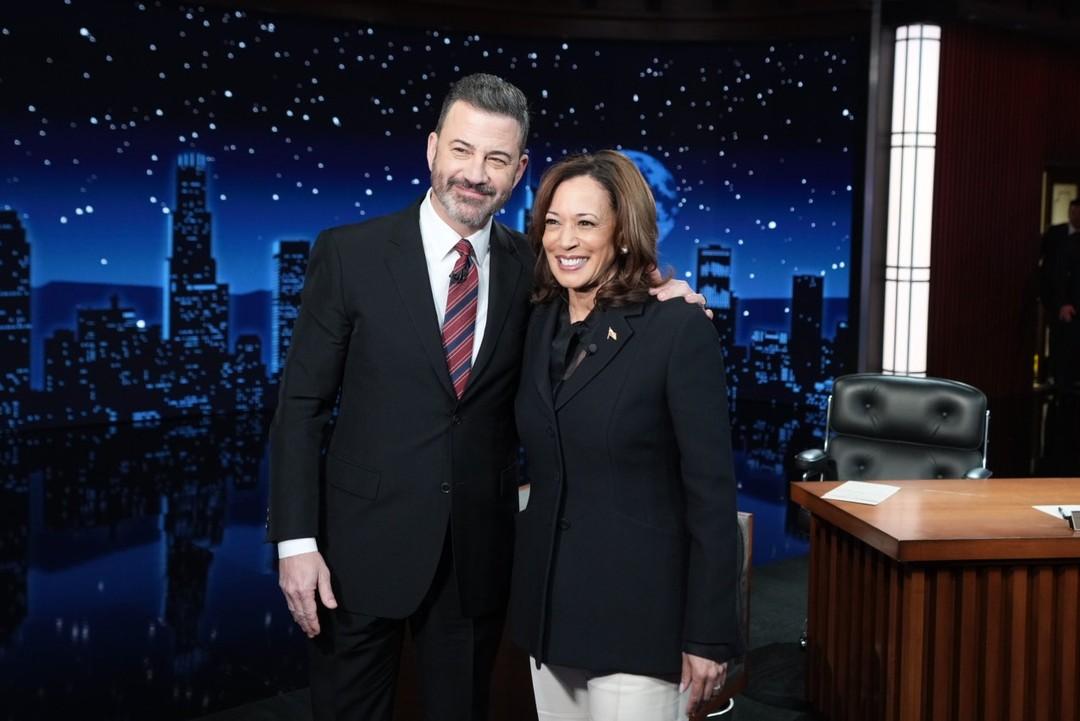
Jimmy Kimmel, a veteran late-night host and comedian, has found himself repeatedly embroiled in controversy over the past several years. Far beyond mere entertainment, his remarks and actions have intersected sharply with volatile political divides, raising critical questions about free speech, media accountability, and the role of broadcast networks. As Kimmel navigates headlines ranging from incendiary jokes about public figures to his recent suspension, it’s essential to understand how his situation reflects broader battles over cultural authority and ideological influence in American media.
While many view late-night hosts as purveyors of lighthearted satire, Kimmel’s case illustrates how these platforms can quickly become battlegrounds for partisan conflict and censorship debates. The controversies surrounding him have rekindled discussions about the boundaries of comedy, the responsibilities of broadcasters, and government involvement in free expression. This explainer charts the key events and issues that define the Jimmy Kimmel saga and assesses its implications for media freedom and political discourse.
Political Jokes and Public Backlash
"Jimmy Kimmel’s controversies expose how media free speech is weaponized amid rising political and cultural polarization."
Kimmel’s brand of humor has frequently targeted political figures, raising the ire of conservatives and some centrists who see overreach and disrespect in his comedy. A pivotal moment was in 2026 when Kimmel referred to First Lady Melania Trump as an “expectant widow” — a loaded phrase that was widely condemned by the Trump family and conservative circles alike. This particular joke was not viewed as mere satire but as a deeply offensive comment that trampled on public decency and respect for private individuals. The backlash intensified with calls from multiple quarters for ABC to sever ties with Kimmel permanently.
This outcry was not isolated but part of a growing pattern where late-night hosts are scrutinized for what detractors label “cancel culture” or unaccountable commentary. Some liberals defended Kimmel’s remarks citing free speech and comedic license, but many conservatives argue this defense often acts as a shield for disrespect and bias. The debate highlights a fundamental disagreement over where lines should be drawn between permissible mockery and crossing ethical boundaries.
Importantly, this controversy echoes earlier incidents, such as Kimmel’s 2023 jokes at the Oscars addressing Will Smith’s slap of Chris Rock, which were divisive and polarizing themselves. Critics saw those laughs as minimizing serious misconduct, while supporters framed them as part of comedy’s role to provoke and challenge. Yet, each of these moments contributes to a larger narrative about Kimmel’s contentious role in today’s politically charged media ecosystem.
Broadcast Networks Under Pressure
Kimmel’s inflammatory remarks have put ABC, part of the Disney conglomerate, in a difficult position. Following the “expectant widow” comment, the Federal Communications Commission (FCC) initiated a review of Disney’s broadcasting licenses — a rare step signaling government concern over content. This development alarmed many who believe in minimal regulatory interference in media, fearing it sets a precedent for politically motivated content policing. The FCC’s involvement turned a private media controversy into a public regulatory battle, escalating tensions between free speech advocates and critics calling for higher accountability.
Meanwhile, the response of broadcast affiliates was swift and revealing. Nexstar, one of the largest network groups, decided not to air Jimmy Kimmel’s show on 66 of its ABC affiliates. This move reflected the appetite for enforcing consequences on controversial speech even within reluctant corporate gatekeepers. Sinclair Broadcast Group made headlines by refusing to air Kimmel’s program until he apologized directly to the family of Charlie Kirk, a conservative commentator whose assassination became a touchstone in the broader dispute around Kimmel’s commentary.
This affiliate pushback represents a growing trend among local broadcasters to assert greater autonomy in content decisions, often driven by conservative viewership and advertiser pressures. It also underscores the potential fragmentation of media distribution, where national programming can face localized resistance rooted in political and cultural fault lines. Kimmel, once a dominant late-night presence, now confronts a fractured and hostile broadcast environment that challenges his reach and financial viability.
The Free Speech Flashpoint
The suspension of 'Jimmy Kimmel Live!' ignited a nationwide debate about the limits of free speech in entertainment media. ABC’s decision to pull the show was framed by some as a necessary step toward upholding standards of civility and respect, especially given Kimmel’s history of provocative remarks. On the other hand, many entertainers, commentators, and free speech advocates argued that the suspension was an excessive punishment and a sign of creeping censorship influenced by political pressure rather than journalistic or ethical principles.
David French — a noted conservative commentator — criticized the suspension, framing it as a dangerous precedent where entertainers and media figures could be silenced through coordinated outrage campaigns. This perspective resonates with conservative audiences wary of a shrinking space for dissenting voices and skeptical of media entities perceived as aligned with liberal agendas. It’s notable that this debate overlaps heavily with broader conversations about cancel culture and the politicization of mainstream media outlets.
The protesters framing is enhanced by contrasting the response to Kimmel’s suspension with the public’s reaction to more grave events, such as the assassination of Charlie Kirk. Some conservative observers point out that there appeared to be greater outrage over Kimmel’s suspension than over actual violence affecting conservative figures, highlighting asymmetric media and political priorities.
Media Bias and Political Influence in Late Night
Kimmel’s controversies must be understood within the broader context of late-night television’s perceived liberal bias. Long criticized by conservatives for promoting a left-leaning agenda, shows like Kimmel’s often use comedy to frame political narratives in ways that shape public opinion. This perception fuels conservative demands for accountability and skepticism about the objectivity of mainstream entertainment news platforms.
The recent escalations only deepen concerns about partisan media echo chambers. Networks risk losing credibility among half the American audience when hosts are seen as punching down or mocking political opponents in ways that appear to cross from satire into hostility. Conversely, the defense mounted by some Hollywood and media elites—that Kimmel’s antics are harmless irreverence—fails to convince many who witness the real social costs of amplified political polarization.
Kimmel’s defenders sometimes accuse his critics of weaponizing outrage for political gain, arguing that such attacks amount to digital mob justice. From a conservative standpoint, however, this defense obfuscates the role that influential public figures play in shaping discourse and the importance of holding them responsible for their rhetoric. This tension underscores the complicated intersection of entertainment, politics, and cultural authority today.
The Wider Cultural and Regulatory Implications
The Kimmel controversy serves as a case study in the evolving relationship between media, government oversight, and societal standards. The FCC’s regulatory examination of Disney following Kimmel’s remarks exemplifies how content deemed offensive or inappropriate can trigger official investigations that threaten the independence of media companies. This dynamic invites heated debate about government overreach versus the need to protect public interest on platforms that reach millions daily.
Further, the growing willingness of local affiliates to independently reject programming spotlights the decentralization of media gatekeeping. As broadcast conglomerates balance the often-conflicting demands of advertisers, audiences, political actors, and regulators, the path forward for controversial figures like Kimmel becomes more fraught and uncertain.
For conservatives, Kimmel’s predicament is emblematic of a cultural struggle to reclaim media spaces perceived to have been ceded to progressive influence. It fuels larger campaigns advocating for alternative platforms, diversified media ownership, and reforms aimed at re-establishing unbiased public discourse.
At its root, the Kimmel story illuminates profound questions about the limits of comedy, the sanctity of free expression, and the ethical responsibilities of entertainers who wield vast influence over national conversations. These questions extend well beyond one man or one network; they resonate through the fabric of modern American media and political life.
The Cultural Divide and What’s At Stake
The divide over Jimmy Kimmel is not simply about his individual comments but what they symbolize in a deeply polarized America. Conservatives see the host’s provocative remarks as part of an elitist media culture that dismisses traditional values and mocks those who dissent from liberal orthodoxy. Liberals and some centrists defend Kimmel’s brand of humor as essential to challenging power and sparking social dialogue.
This cultural chasm influences not only reactions to Kimmel but the structure of media itself. As we have seen, backlash and boycott efforts have tangible effects on programming decisions, corporate strategies, and regulatory scrutiny. The Kimmel controversy exemplifies how entertainment now operates within a battlefield where speech freedom, political identities, and media economics collide.
Long-term, the question remains how networks will navigate these conflicting pressures without sacrificing either journalistic integrity or commercial viability. For viewers and citizens invested in media accountability and free expression, the resolution of such controversies will shape the contours of American culture for years to come.
Engaging with the Kimmel Debate from a Conservative Perspective
From a conservative viewpoint, the treatment of Jimmy Kimmel raises crucial concerns regarding fairness, ideological balance, and the protection of respectful discourse. The willingness of media conglomerates and regulatory bodies to tolerate controversial speech from liberal hosts, while punishing or marginalizing dissenting voices, suggests an uneven playing field threatening democratic norms.
Calling attention to the uneven responses to Kimmel’s remarks and comparing them to the silence on incidents like the Dallas ICE shooting highlights what conservatives identify as selective outrage and partisan media priorities. There is a growing call to hold celebrities accountable for rhetoric that belittles political adversaries and to enforce standards that respect all Americans’ dignity.
Equally, conservatives support free speech but insist that this freedom is not license for insults or inflammatory statements that cross ethical lines. The demand is for an honest, authentic dialogue where satire serves public understanding rather than division or vilification.
Ultimately, the Jimmy Kimmel saga offers a lens into how free speech, media bias, and political pressure play out today. It challenges audiences to think critically about the sources of their information and the forces shaping their media environment.
For more detailed coverage, see our reporting on the debate over accountability and cancel culture, the criticism Kimmel faced for silence on Dallas ICE shooting, and how Democrats threatened broadcasters amid the controversy.
By understanding the intricate dynamics at play, readers can better appreciate the broader significance of the Kimmel controversy as more than just late-night drama — but as a microcosm of America’s ongoing cultural and political battles.
Frequently asked questions
What triggered the recent backlash against Jimmy Kimmel?
The backlash intensified after Kimmel referred to First Lady Melania Trump as an 'expectant widow,' a comment widely condemned for being offensive and disrespectful.
How did broadcast networks respond to the Kimmel controversy?
ABC suspended his show temporarily, many affiliates like Nexstar chose not to air it, and Sinclair demanded an apology before resuming broadcasts.
Did regulatory bodies get involved in the Kimmel situation?
Yes, the FCC began reviewing Disney’s broadcasting licenses following Kimmel’s controversial remarks, raising concerns about government oversight of media content.
How do conservatives view Jimmy Kimmel’s style and comments?
Many conservatives see his comedy as part of a liberal bias in media, often crossing lines of respect, and argue for greater accountability and balance.
What are the arguments in defense of Jimmy Kimmel?
Defenders emphasize freedom of speech and comedy as forms of social critique, warning against censorship and overreach due to political pressure.
How does Kimmel’s saga reflect wider media trends?
It highlights increasing polarization, politicization of media, fragmented broadcasting decisions, and the clashes over free speech boundaries.
Timeline of our coverage
- 2025-09-25 — Debate Over Accountability and Cancel Culture Intensifies
- 2025-09-25 — Democrats Are Lying About Protecting Kimmel Over 'Free Speech'
- 2025-09-24 — Jimmy Kimmel Faces Criticism for Silence on Dallas ICE Shooting
- 2025-09-24 — Democrats Threaten Broadcasters Amid Kimmel Controversy
- 2025-09-24 — Smug Jimmy Kimmel Returns To Late Night More Insufferable
- 2025-09-23 — 66 ABC Affiliates Will Not Air Jimmy Kimmel Following Nexstar's Decision
- 2025-09-23 — Jimmy Kimmel's Defenders Are Gaslighting Americans
- 2025-09-23 — Sinclair Still Won't Air Kimmel Until He Apologizes To Kirk's Family
- 2025-09-22 — Jonathan Karl Discusses Charlie Kirk's Assassination and Jimmy Kimmel's Suspension on ABC's This Week
- 2025-09-19 — Jimmy Kimmel Suspended Amid Controversy Over Comments
- 2025-09-18 — ABC Suspends Jimmy Kimmel's Show Amid Free Speech Debate
- 2025-09-18 — David French Criticizes Response to Jimmy Kimmel's Show Suspension
- 2025-09-18 — ABC Pulls Jimmy Kimmel Off Air Amid Controversy Over Comments
- 2025-09-18 — Leftists Angrier About Kimmel Suspension Than Kirk Assassination
- 2025-09-18 — Leftists Are Angrier About Kimmel's Firing Than Kirk's Assassination
- 2025-09-18 — FCC Chairman Brendan Carr Critiques Jimmy Kimmel's Comments, ABC Pulls Show
- 2025-09-17 — Calls Grow For ABC To Fire Kimmel For Lie About Kirk Assassination
The Bottom Line
- It reveals how free speech is contested within mainstream media and its limits tested.
- The case exemplifies the partisan polarization permeating American cultural institutions.
- Media companies face unprecedented pressure from political factions and regulators.
- Local broadcasters are increasingly asserting independence in content decisions.