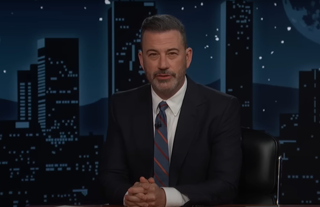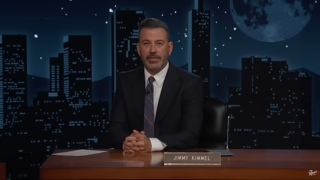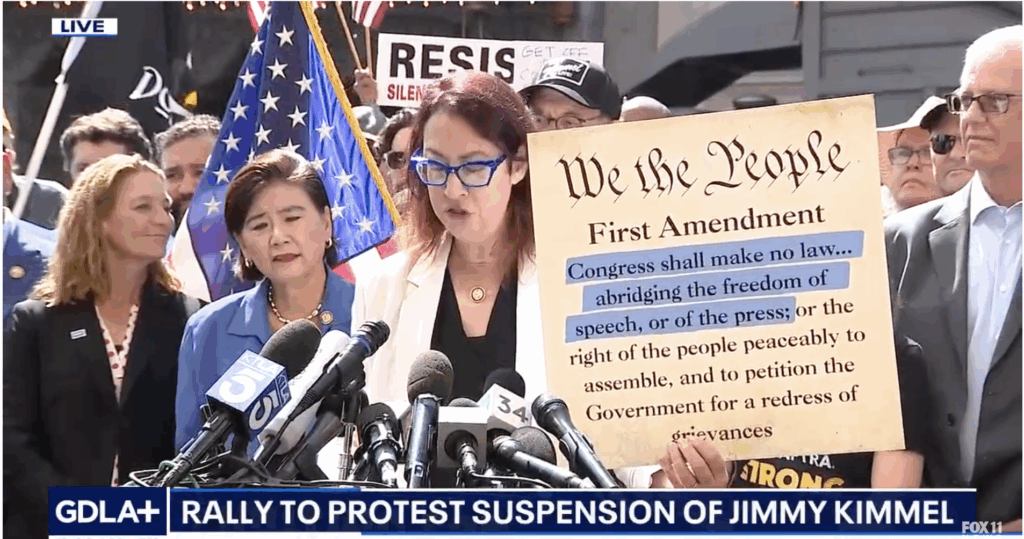
Jimmy Kimmel is set to return to the airwaves on Tuesday night, following an indefinite suspension by ABC's parent company, Walt Disney Company. The suspension came after Kimmel made controversial remarks linking the assassin of conservative figure Charlie Kirk to the 'MAGA gang.'
Explainer Free Speech Battles: Courts, Censorship, and Cultural Conflicts
Daniel Suhr, president of the Center for American Rights, criticized Kimmel's comments, stating they placed Disney and ABC in a precarious position regarding broadcast regulations. Suhr referred to Disney's situation as akin to the backlash faced by the Cracker Barrel restaurant chain after it made controversial changes to its decor.
Disney initially suspended Kimmel's show to avoid inflaming a tense situation after the assassination of Kirk. However, the company has since decided to reinstate Kimmel, with reports indicating he will address the controversy during his return episode. Sources suggest that Kimmel does not plan to apologize for his earlier remarks.
The decision to bring Kimmel back has drawn criticism from various quarters, including conservative commentators and civil rights advocates who argue that his statements reflect a broader trend of unchecked bias in media. Critics have pointed to the potential consequences for media companies that operate on publicly-owned airwaves, citing historical precedents where the Federal Communications Commission (FCC) has intervened in similar situations.
The FCC, led by Chairman Brendan Carr, has emphasized that broadcast television is subject to stricter operational standards than other forms of media. Carr's comments have sparked debate about the balance between free speech and regulatory compliance in broadcasting.
In response to Kimmel's situation, the Center for American Rights published a report addressing misconceptions about FCC regulations and Kimmel's actions. The report argues that Kimmel's behavior is part of a larger pattern of partisan politicking that has characterized his show.
As Kimmel prepares to return, the media landscape remains divided over the implications of his remarks and the broader issue of political bias in entertainment. The ongoing discussions reflect a complex interplay between free speech, media responsibility, and public sentiment.