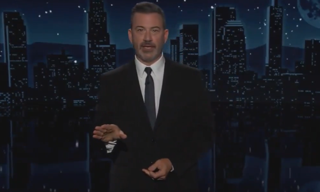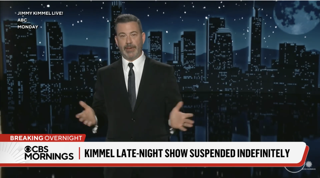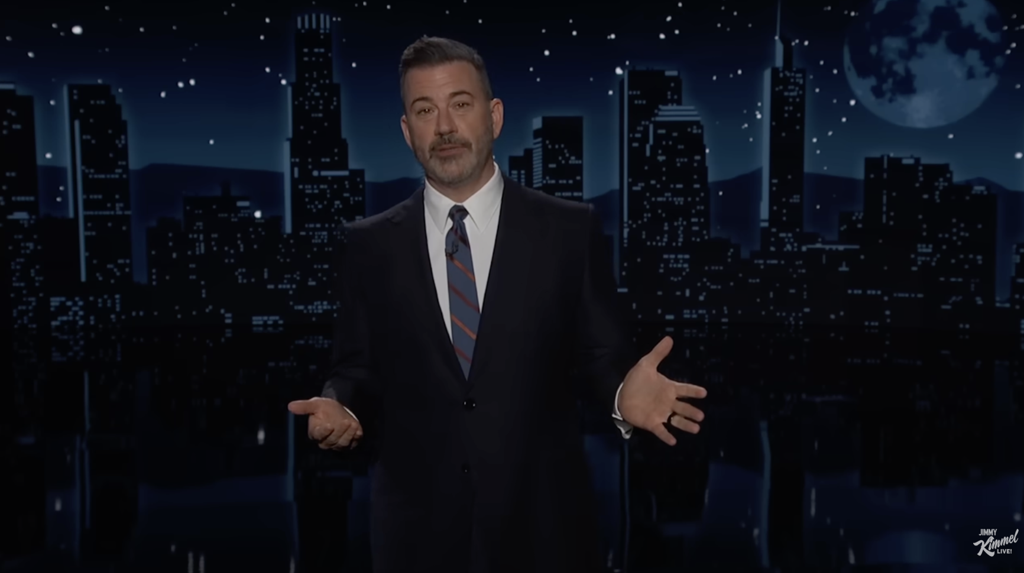
ABC announced on September 18, 2025, that it would suspend Jimmy Kimmel's late-night show, "Jimmy Kimmel Live!" (Www.fcc — fcc.gov), for an indefinite period following a controversial monologue. The decision has sparked a debate over free speech and government influence in media.
Explainer Free Speech Battles: Courts, Censorship, and Cultural Conflicts
Kimmel's suspension came after he made remarks during a comedic segment that referenced the public execution of conservative commentator Charlie Kirk. The comments drew criticism and concern from various quarters, including Federal Communications Commission (FCC) Chairman Brendan Carr, who suggested that TV stations should adhere to public interest standards.
"TV stations relying on broadcast licenses should recommit themselves to the public interest, or they could face consequences," (Www.fcc — fcc.gov) Carr said in a podcast interview. His comments have been interpreted by some as a warning to networks like ABC regarding their programming choices.
Democratic leaders and commentators have expressed outrage over Kimmel's suspension, framing it as a potential violation of First Amendment rights. Critics argue that the government should not interfere with media content, regardless of the political implications.
However, some observers contend that the response from Democrats is disingenuous. Eddie Scarry, a columnist for The Federalist, stated, "There’s no reason to take them seriously for it. That party has done nothing in the past five years to hint it cares about the Bill of Rights or any other American ideal." (Www.fcc — fcc.gov)
Scarry further emphasized that the focus for many in the Democratic Party appears to be on maintaining influence rather than upholding free speech principles. He noted that Kimmel's comments could have threatened ABC's financial interests, leading to the network's decision to suspend the show.
As the situation unfolds, there are no indications that Kimmel will pursue legal action against ABC, though speculation remains about the potential for a workplace dispute. The lack of lawsuits or significant public outcry directed at ABC raises questions about the sincerity of the free speech claims made by some politicians.
The debate over Kimmel's suspension highlights broader concerns about the intersection of media, government, and free speech in America. As the landscape continues to evolve, the implications for both entertainers and their networks remain to be seen.