The Controversy Over DEI In Education: Legal Battles and Policy Shifts
Explore the ongoing debates surrounding Diversity, Equity, and Inclusion (DEI) initiatives in U.S. education, including federal actions, state bans, and legal challenges.
Additional reporting by April Clark, Liam Walker
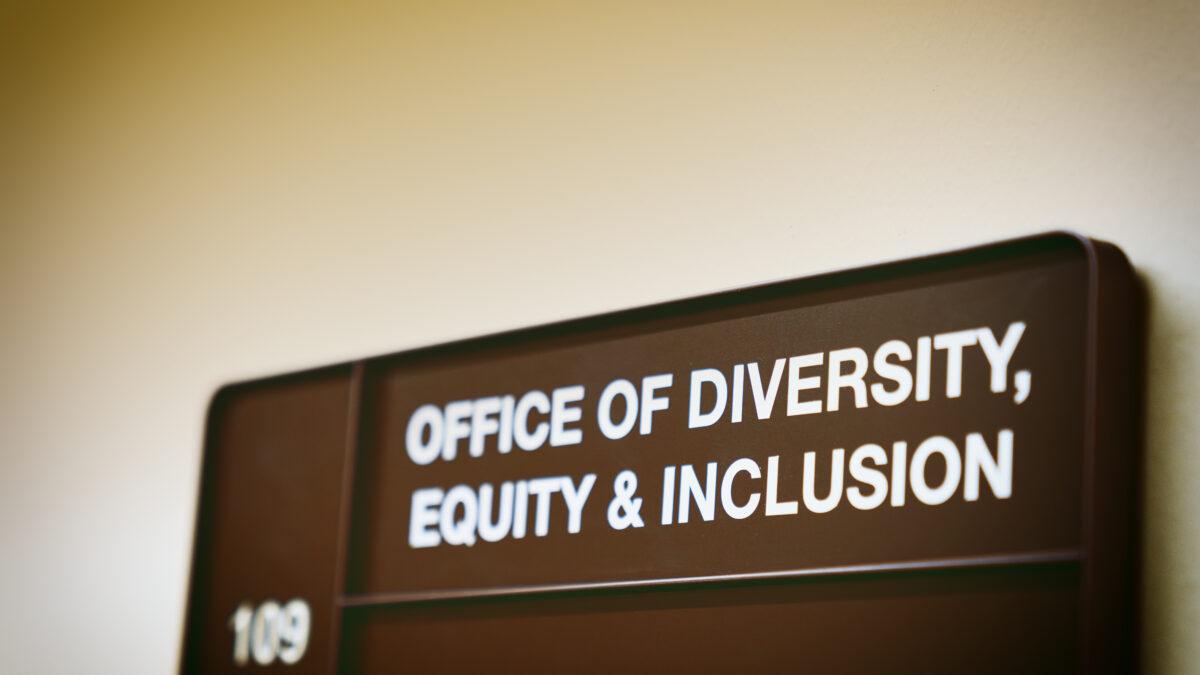
Diversity, Equity, and Inclusion (DEI) programs have become one of the most contentious issues in American education policy. Over the past several years, a fierce ideological battle has emerged regarding the proper role of DEI in public schools, colleges, and universities, reflecting broader cultural disputes over race, identity, and academic freedom. Supporters argue that DEI is essential for rectifying systemic inequalities and fostering a more inclusive learning environment. Conversely, critics maintain that these initiatives often promote divisive race-based policies, infringe upon free thought, and lower academic standards. This article provides an authoritative, comprehensive examination of the complex legal and political landscape surrounding DEI in education, focusing on the ongoing federal efforts to curtail such programs along with state-level responses.
From federal executive orders and regulatory directives to state legislative maneuvers and court rulings, DEI initiatives now face unprecedented scrutiny. The Trump administration led early pushes to dismantle federal support for DEI, including threatening to withdraw federal funding from schools maintaining these programs. Meanwhile, numerous states have enacted their own policies, creating a patchwork of regulations that make the future of DEI uncertain. The stakes are high: these policies impact curriculum design, admissions practices, faculty hiring, and even campus culture nationwide.
Federal Government Efforts to Restrict DEI Programs
"DEI initiatives often undermine meritocracy and academic rigor, threatening the principles of equal treatment and free inquiry in education."
Under the previous administration, the federal government intensified its assault on DEI initiatives, labeling them as discriminatory and antithetical to principles of equal treatment. In February 2025, the U.S. Department of Education issued a groundbreaking directive that threatened to cut federal funding to educational institutions that continued to implement race- or identity-based DEI programs. This move was among the most explicit federal attempts to regulate the ideological content of educational policy nationwide, signaling a shift from passive disapproval to active enforcement.
However, this aggressive approach quickly encountered legal resistance. Several lawsuits, filed by educators, civil rights organizations, and academic institutions, challenged the legality of conditioning federal funding on the elimination of DEI measures. Federal courts issued rulings blocking the enforcement of the Department of Education’s directive, citing concerns about First Amendment rights and the overreach of federal authority in state education matters. This judicial pushback revealed the constitutional complexities involved when government officials attempt to police academic content and campus diversity policies.
Despite these setbacks, the administration persisted in curtailing DEI. Proposed regulatory changes aimed to revoke the tax-exempt status of private colleges that maintain DEI policies, raising the stakes for private postsecondary institutions that rely on charitable contributions. Meanwhile, the Department of Education’s oversight agencies held hearings that questioned the legitimacy and fairness of accreditation bodies' use of DEI standards. For example, the American Bar Association faced intense scrutiny over introducing DEI mandates into law school accreditation criteria, an issue covered in our House Republicans pressing the ABA oversight hearing.
State-Level Bans and Resistance Against DEI
While the federal government made headlines with broad directives, many battles over DEI programs have occurred at the state level, where lawmakers have taken very different approaches. Some states have moved decisively to ban DEI altogether within public education. North Carolina offers a case study in this trend: after the legislature overrode a gubernatorial veto, DEI initiatives were banned across public schools, community colleges, and universities. This legislative victory reflects growing conservative momentum to prohibit what they characterize as divisive and racially charged curricula, even when such efforts provoke significant opposition.
Conversely, some states have resisted federal pressure to eliminate DEI. California stands at the forefront of this resistance, where state education officials have refused to certify the removal of DEI programs despite threats to federal funding. The California Department of Education continues to support programs that prioritize ethnic studies and cultural responsiveness, underscoring the ideological divide between coastal progressive states and more conservative regions. This ongoing defiance highlights tensions that complicate federal attempts to impose a one-size-fits-all approach to educational policy nationwide.
Adding complexity, audits in other states demonstrate that even where bans exist, DEI-related practices sometimes persist, either covertly or through alternative language. Indiana, for instance, saw continued implementation of DEI practices in schools despite an official ban, as detailed in a recent audit report. These findings illustrate how local educators and administrators often resist political mandates, raising critical questions about enforcement and compliance.
The Broader Impact of DEI on Academic Standards and Workforce Preparation
Critics of DEI argue that the emphasis on diversity and equity distracts from rigorous academic goals and undermines meritocracy. Evidence on student performance fuels these concerns. For example, national assessments reveal troubling trends in math achievement, with twelfth grade scores reaching historic lows—results some attribute to a focus on so-called “equity” over academic excellence. Our coverage on math scores declining explores how curricular changes tied to social justice priorities may be compromising fundamental skills.
Beyond academics, DEI initiatives affect workforce preparation and professional settings, particularly in government and military sectors. Congressional actions, such as the Senate’s amendment limiting DEI in Pentagon funding bills, illustrate how lawmakers view DEI mandates as potentially harmful to organizational cohesion and national security. Similarly, the Federal Retirement Board’s DEI contract mandates have clashed with Trump-era executive orders aiming to constrain what conservatives see as ideological overreach in federal employment.
This skepticism extends to higher education, where debates rage over admissions policies perceived to favor race and identity over achievement. The University of Virginia's decision to end race-based admissions after Justice Department pressure underscores the mounting legal and political pressure universities face. Such moves challenge the sustainability of affirmative action models tied to DEI and fuel arguments for a merit-based approach to college access, a topic well-covered in our piece on University of Virginia ending DEI admissions.
Challenges Within Academia and Cultural Pushback
The DEI debate extends beyond policy into the culture and scholarship of academic institutions. Controversies around academic integrity and intellectual rigor have intersected with DEI discussions. For instance, a prominent Cambridge professor faced plagiarism allegations amid the broader DEI debate, raising questions about the rigor of scholarship within programs that heavily emphasize identity politics, as detailed in our coverage of the Cambridge controversy. Such incidents provide ammunition to DEI critics who argue that fostering diversity should never come at the expense of excellence or ethical standards.
On the cultural front, conservative voices argue that the Left’s push for DEI represents a broader attempt to rewrite history, censor dissent, and enforce orthodoxy on campuses and workplaces. Evidence of this struggle is visible in battles over which figures are celebrated or erased from the curriculum and public discourse—a dynamic illustrated by our analysis of how one of the 20th century’s greatest scientists was canceled. These cultural conflicts are part of a wider effort by conservatives to regain ground in the culture wars by spotlighting ideological excess and defending free speech rights.
Moreover, businesses and governments are also arenas where DEI's future is contested. Some government agencies have rolled back DEI requirements in professional tracks, such as the State Department’s decision to remove DEI mandates in the Foreign Service following an internal review, documented in our report on the State Department’s policy change. Additionally, some public officials have diverted funding away from DEI projects, such as the redirection of billions in transportation grants away from DEI-related initiatives, signaling a tangible shift in public resource allocation.
The Conservative Case for Reclaiming Education and Workforce Merit
From a conservative perspective, the efforts to curtail DEI programs represent not only legal and policy pursuits but a principled defense of constitutional rights, academic freedom, and merit-based achievement. The anti-DEI movement stresses that identity-based policies often amount to reverse discrimination, sacrificing fairness and unity for divisive and ultimately counterproductive outcomes. This view emphasizes personal responsibility, equal treatment under law, and the importance of rigorous education standards to prepare students effectively for the competitive economy.
Opponents of DEI also argue that initiatives focusing excessively on race, gender, or other identities fracture social cohesion in education and the workplace, limiting free inquiry and breeding resentment. Many conservatives applaud federal court rulings that block the enforcement of DEI restrictions, not out of support for these programs but to uphold constitutional protections against government overreach and ideological coercion. This nuanced position seeks to avoid the pitfalls of government micromanagement while restoring a non-partisan, fact-based education system.
Our ongoing coverage reminds readers that this is not just a fleeting controversy but a defining battleground over America’s cultural and intellectual future. The fights over DEI in education touch on critical issues from free speech and equal protection to national identity and social harmony. Staying informed about this evolving story is essential for policymakers, educators, parents, and citizens striving to preserve liberty and excellence in American education.
Explore our editorial insights on the state pressing the Supreme Court regarding education accreditation powers, which tie directly into how DEI shapes institutional oversight and standards.
As laws and policies shift, keeping abreast of legislative efforts such as the Senate amendment on Pentagon funding and the varied experiences across states is vital to understanding how DEI will impact our schools and workplaces long term.
Ultimately, the conservative argument is clear: educational policies should champion merit, prevent ideological indoctrination, and safeguard the rights of all individuals irrespective of group identity, ensuring that excellence and freedom remain the cornerstones of American learning.
Frequently asked questions
What are Diversity, Equity, and Inclusion (DEI) programs?
DEI programs are educational and workplace initiatives aimed at promoting representation and fairness for historically marginalized groups through policies addressing race, gender, and other identities.
Why are DEI initiatives controversial in education?
Critics argue that DEI prioritizes identity over merit, imposing ideological views and lowering academic standards, while supporters say DEI remedies systemic discrimination and helps create more inclusive environments.
What legal actions have been taken against DEI programs?
The federal government issued directives to withdraw funding from schools with DEI initiatives, but courts blocked enforcement due to constitutional concerns. Several states have also passed laws banning DEI in public education.
How have states responded differently to federal DEI policies?
Some states like North Carolina have banned DEI outright, while others such as California resist federal mandates, continuing support for DEI programs despite funding threats.
What impact do DEI programs have on academic achievement?
Some studies and reports link an emphasis on equity and diversity in curricula with declining scores in subjects like math, though the issue remains debated.
Are DEI initiatives present in the federal workforce?
Yes, but recently some agencies, like the State Department, have ended DEI requirements after reviews, reflecting ongoing reassessment of such policies in government.
How do conservatives generally view DEI in education?
Conservatives often view DEI as a source of division and a threat to meritocracy, advocating for policies that emphasize individual achievement and constitutional rights.
Timeline of our coverage
- 2026-08-22 — Education Department Moves to Strip ABA Law School Accreditation Power
- 2026-08-13 — State Department Ends DEI Requirements in Foreign Service After Internal Review
- 2026-08-12 — Federal Retirement Board’s DEI Contract Mandates Clash With Trump Executive Order
- 2026-08-08 — Cambridge Professor Faces Scrutiny Over Plagiarism Allegations and Biographical Claims
- 2026-08-04 — Cambridge Professor Faces Plagiarism Allegations Amid DEI Debate
- 2026-07-23 — House Republicans Press ABA on DEI and Partisanship at Oversight Hearing
- 2026-07-16 — Senate Advances Amendment to Limit DEI Initiatives in Pentagon Funding Bill
- 2026-07-13 — Audit Finds DEI Practices Persist in Indiana Schools Despite State Ban
- 2026-07-12 — Duffy Redirects $1.73 Billion in Transportation Grants Away From DEI Projects
- 2026-02-06 — 4th Circuit Vacates Blockade on Trump's Elimination of DEI Grants
- 2025-12-18 — EEOC Chair Appeals to White Males Facing Workplace Discrimination
- 2025-11-19 — The Left Canceled One Of The Greatest Scientists Of 20th Century
- 2025-10-23 — University Of Virginia Ends DEI, Race-Based Admissions After Justice Department Pressure
- 2025-10-16 — Pentagon Official Advocates for DEI Supporter to Assume Key Army Role
- 2025-09-19 — Twelfth Grade Math Scores Are Worst Ever, Thanks To 'Equity'
- 2025-09-09 — Cracker Barrel's Cave Shows The Right Can Win The Culture War
The Bottom Line
- DEI policies in education influence curriculum, admissions, and workforce preparation, shaping future generations.
- Federal efforts to restrict DEI confront constitutional issues around free speech and equal protection.
- State bans and resistance create a fragmented national landscape impacting education quality and policy consistency.
- The controversy reflects broader cultural and intellectual battles over race, identity, and American values.


Sources
- California Department of Education's Response to Federal DEI Directive
- U.S. Department of Education
- Apnews.com: F8556ba3d94099df3c8aaa06fc13105f
- Ednc.org: 6 26 2026 North Carolina Lawmakers Ban Dei In Public Schools Higher Education State Agencies
- Latimes.com: California Defies Trump Education Order Certify School Districts Eliminate Dei