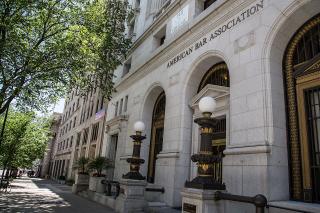
The Department of Education has begun proceedings to revoke the American Bar Association’s (ABA) authority to accredit law schools, a move that could have sweeping implications for legal education nationwide. This action follows a staff finding that the ABA is out of compliance with federal accreditation regulations and recognition standards. The decision, confirmed by a department spokesperson, initiates a multi-stage process that will include a formal review by the National Advisory Committee on Institutional Quality and Integrity (NACIQI) scheduled for September.
Explainer The Controversy Over DEI In Education: Legal Battles and Policy Shifts
The central issue in the dispute is whether the ABA’s accrediting practices—especially those related to diversity, equity, and inclusion (DEI) requirements—are consistent with federal standards and whether the ABA maintains sufficient independence from the legal profession it serves.
The ABA has been the primary accreditor for law schools in the United States since 1952. Its status as a recognized accreditor gives it significant influence over the structure and standards of legal education, as well as over eligibility for federal student aid and bar admission in most states. The Department of Education last renewed the ABA’s accrediting authority in 2021. However, the department now recommends ending its recognition, citing alleged conflicts of interest and concerns about the ABA’s dual role as both a trade association and an accreditor. According to the department’s nearly 500-page report, the ABA’s accreditation arm is not sufficiently independent, a requirement intended to ensure that accreditors focus solely on educational quality rather than professional or political interests.
Department’s Findings and Actions
A Department of Education spokesperson stated that the ABA was found out of compliance with agency regulations and recognition standards after a comprehensive review of its accreditation practices. The spokesperson declined to provide further details, citing the ongoing nature of the process and the upcoming independent, bipartisan advisory committee review.
David Barker, assistant secretary of education, told The Wall Street Journal, “We have said many times that accreditation, in general, operates like a cartel. When there’s no competition, accreditors feel free to inject their own political preferences, their own ideologies into the work that they do.”
The department’s recommendation comes in the wake of an April 2025 executive order from President Donald Trump. The order directed the Department of Education to investigate and hold accountable accreditors who fail to meet federal recognition criteria or who require institutions to engage in what the administration considers unlawful discrimination under the guise of DEI initiatives. The executive order specifically targeted accreditors that, in the administration’s view, pressured schools to adopt DEI policies in violation of federal law. Read the executive order
ABA’s Response and Policy Changes
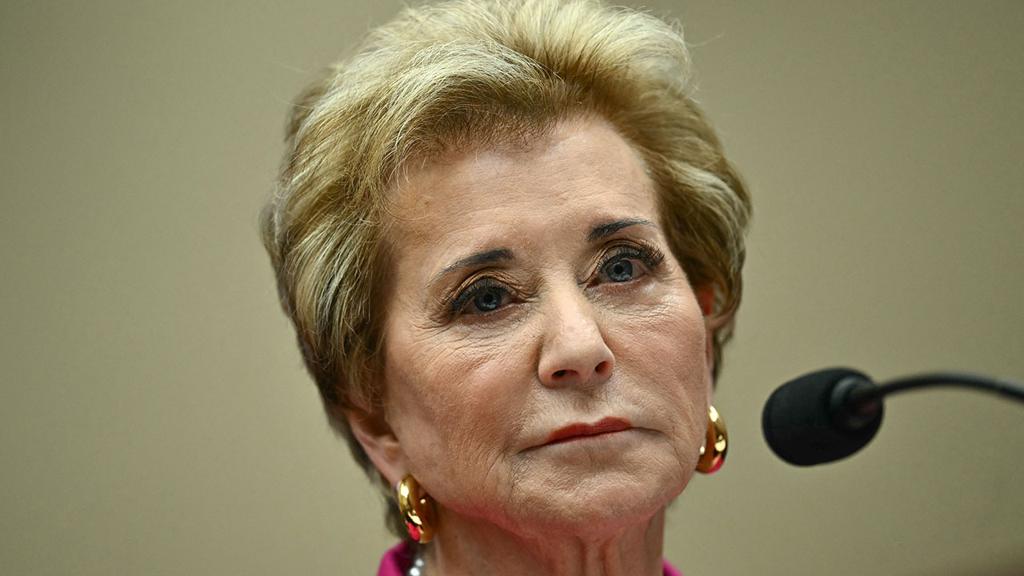
Melissa Hart, chair of the ABA’s Accreditation Council and a former Colorado Supreme Court justice, emphasized that the department’s move is only the first step in a longer process. Hart said the council is confident it complies with the Higher Education Act and department requirements, and looks forward to addressing concerns at the upcoming NACIQI hearing.
"The council is confident it complies with the Higher Education Act and with the department’s requirements for accreditors. We look forward to the opportunity to address any misconceptions and clarify the record at our upcoming hearing before the [National Advisory Committee on Institutional Quality and Integrity] next month." — Melissa Hart, chair of the ABA’s Accreditation Council
In response to federal scrutiny and political criticism, the ABA’s Accreditation Council recently revised its standards. The council moved away from explicit demographic requirements for law schools and instead emphasized non-discrimination commitments. This policy shift followed criticism from President Trump and congressional Republicans, who argued that the ABA’s previous standards pressured law schools to adopt DEI policies that could conflict with federal law.
Political and Legal Reactions
The department’s recommendation has sparked sharp reactions across the political spectrum. Rep. Brandon Gill, R-Texas, accused the ABA of being “ideologically captured by radical leftists” and pursuing “discriminatory DEI practices.” Supporters of the department’s move argue that the ABA’s approach to accreditation has become politicized and that federal oversight is necessary to ensure compliance with the law.
On the other hand, critics of the department’s action warn that stripping the ABA of its accrediting power could itself politicize the accreditation process and undermine the independence of legal education. Supporters of the ABA argue that the association’s standards are designed to promote fairness, diversity, and quality in legal education, and that removing its authority could disrupt the system that has governed law school accreditation for decades.
The department’s recommendation will be formally considered at the NACIQI hearing next month. At that hearing, the ABA’s Accreditation Council will have the opportunity to respond to the department’s findings and present its case for continued recognition. The outcome of this process could reshape the landscape of legal education and determine the future eligibility of law schools for federal student aid across the United States.
If the ABA ultimately loses its accrediting authority, law schools may face uncertainty regarding their accreditation status, which could affect students’ access to federal loans and their ability to sit for the bar exam in many states. The process is expected to unfold over several months, with further reviews and possible legal challenges likely, regardless of the outcome.