The Trump administration has formally asked the U.S. Supreme Court to review its policy restricting military service by transgender-identifying individuals, arguing that the Pentagon’s approach does not violate constitutional protections. The Department of Justice, led by Solicitor General John Sauer, filed a petition on Friday requesting that the justices examine a Pentagon rule that "generally disqualifies" individuals with gender dysphoria or a history of related medical interventions from serving in the armed forces.
Explainer Understanding the Supreme Court’s Impact on Law and Liberty
The central issue in the case is whether the Pentagon’s policy, issued in February under a directive from President Trump, unlawfully discriminates against transgender-identifying service members in violation of the Fifth Amendment’s equal protection guarantee. The administration contends that the policy is consistent with the Constitution and that courts should defer to the military’s judgment on personnel matters.
Legal Background and Timeline
The dispute follows a series of conflicting lower court rulings. After President Trump ordered War Secretary Pete Hegseth to revise military policy on gender dysphoria, the Pentagon issued new guidance in February. This guidance was intended to implement the president’s executive order, which gave the War Department 60 days to update its policy regarding service by individuals with gender dysphoria.
In March, D.C. District Judge Ana Reyes, who was appointed by President Biden, issued a preliminary injunction blocking the policy from taking effect. Judge Reyes found that the policy likely amounted to unconstitutional discrimination against transgender-identifying individuals. However, in December, a three-judge panel of the D.C. Circuit Court of Appeals temporarily paused that injunction, allowing the policy to proceed in certain circumstances.
The legal situation became more complex in June, when a separate D.C. Circuit panel upheld part of Judge Reyes’ order. In a 2-1 decision, the panel ruled that the government could not enforce the ban against challengers who were already serving in the military. According to SCOTUSblog, the majority on that panel were Democrat appointees. Meanwhile, the Supreme Court previously paused a similar injunction from another district court in May, which permitted the policy to go forward in some cases while litigation continued.
Arguments from Both Sides
The Trump administration’s petition to the Supreme Court argues that the lower court’s finding of likely unconstitutional discrimination is "gravely erroneous" and conflicts with both Supreme Court precedent and the traditional deference shown to military decisions. The administration emphasized the importance of the issue, stating, "The authority of the U.S. military to determine who may serve in the Nation’s armed forces is a matter of exceptional importance."
"Whether the Constitution prohibits the military from exercising that authority by adopting a policy like the one here is a recurring issue, which has arisen before and will likely arise again absent this Court’s review. The Court should thus take this opportunity to address the constitutionality of the Hegseth policy and reverse the decision below …"
— Trump administration petition, as filed by Solicitor General John Sauer
Supporters of the Pentagon’s policy argue that it is necessary to maintain military readiness and unit cohesion. They contend that the military must be able to set standards for service that ensure the effectiveness and reliability of its forces. The administration’s petition asserts that the reasoning of the lower courts "cannot be squared with this Court’s precedents or deference to the military."
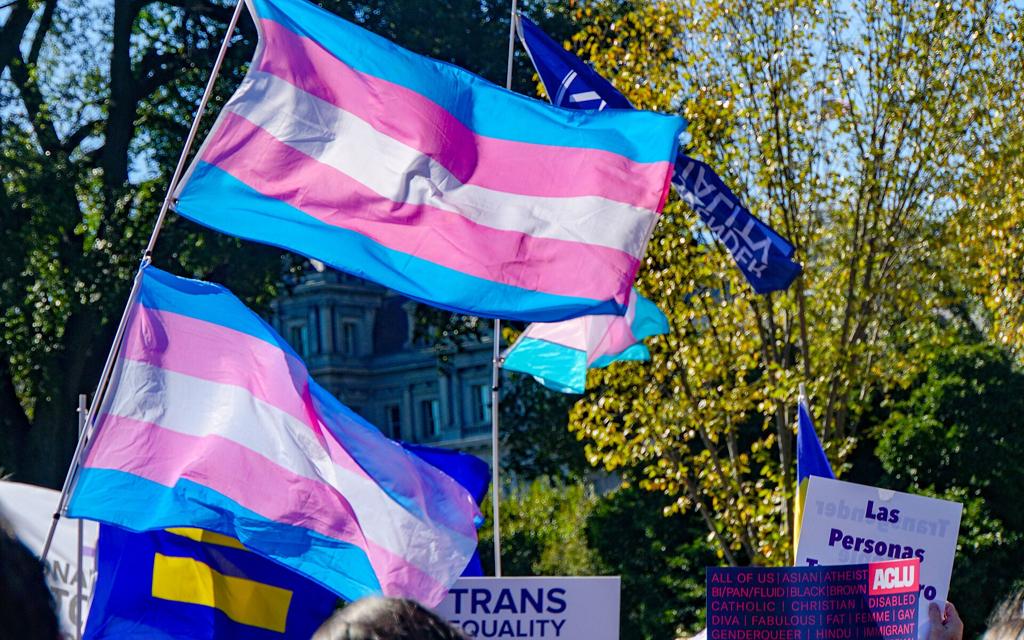
Critics, including advocacy groups and some lawmakers, argue that the policy amounts to discrimination against transgender-identifying individuals. They claim that barring individuals with gender dysphoria or a history of related medical interventions from serving undermines the principle of equal treatment under the law. The policy and subsequent legal challenges have drawn national attention, with advocacy groups and protestors staging rallies in Washington, D.C., as seen in public demonstrations documented by Wikimedia Commons.
Next Steps for the Supreme Court
The Supreme Court is expected to begin its next term in the coming weeks. For the case to proceed to a full review, at least four justices must agree to hear it. If the Court takes up the case, it could have significant implications for military policy and the rights of transgender-identifying individuals seeking to serve.
The Pentagon’s February guidance remains at the center of the legal battle. Issued in response to President Trump’s executive order, the guidance set forth new standards for service by individuals with gender dysphoria. The administration maintains that these standards are necessary for the effective functioning of the armed forces and fall within the military’s authority to set personnel policies.
As of now, the Supreme Court has not indicated whether it will take up the case. The outcome could set a precedent for how courts evaluate military policies affecting transgender-identifying individuals and clarify the extent of judicial deference to the military in matters of personnel and readiness.
The case continues to draw attention from both supporters and opponents of the policy, highlighting the ongoing national debate over the rights of transgender-identifying individuals in the military and the balance between equal protection and military discretion.