President Donald Trump signed a presidential memorandum Thursday ordering sweeping measures to expand America’s shipbuilding capacity and address persistent backlogs in Navy programs, according to the White House and administration officials.
The move comes as the U.S. Navy faces delays and cost overruns in major shipbuilding projects, with critics warning that the current industrial base lacks the capacity and competition needed to meet national security demands.
The new directive, titled Rebuilding the United States Navy and America’s Shipbuilding Industrial Base, builds on a previous executive order and the administration’s "Maritime Action Plan" aimed at reversing decades of decline in U.S. shipbuilding. The Navy’s fleet has continued to shrink since the end of the Cold War, with ships retiring faster than new vessels can be built, according to the White House and reporting by The Federalist.
Key Provisions of the Order
The memorandum directs the Department of War to restore both capacity and competition to the maritime industrial base as it expands the naval force structure. It specifically authorizes increased collaboration with allied nations, including the expansion of the so-called "Finland Model" for shipbuilding. Under this model, foreign shipbuilders may construct up to two vessels overseas before shifting subsequent construction to U.S. shipyards, provided they invest in American facilities and workforce development.
Among the requirements, foreign suppliers must either build a new shipyard in the U.S. or acquire a majority stake in an existing one, hire and train American workers, and source a domestic supply chain for ship construction and maintenance. The model is based on a memorandum of understanding signed last year between the U.S. and Finland for medium icebreaker construction, which has already led to the building of Arctic Security Cutters in Finnish shipyards before transferring expertise and production to the United States, as reported by gCaptain.
"The United States Navy has experienced a series of shipbuilding setbacks stemming from overly complex designs and iterative design change procedures, which have resulted in cost growth, delays, and cancellations. The lack of capacity and competition among shipbuilders has resulted in large backlogs of orders across six major Navy shipbuilding programs and a commercial shipbuilding sector that is not globally competitive."
— Presidential memorandum, White House
New Public Shipyard and Carrier Overhaul
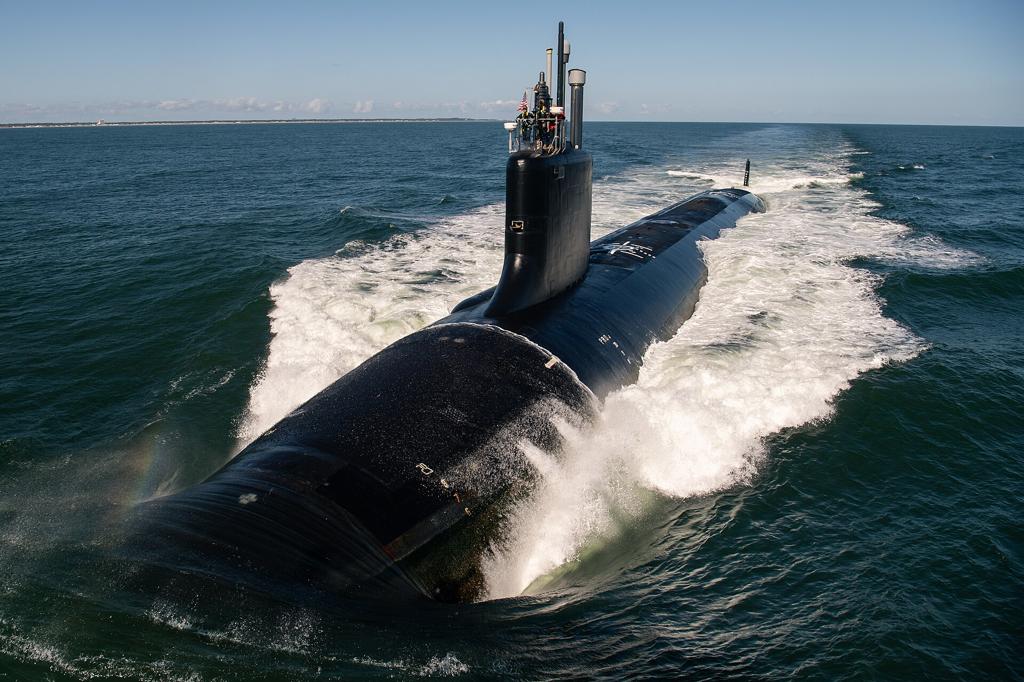
The order instructs Secretary of War Pete Hegseth, in consultation with Acting Navy Secretary Hung Cao, to submit a plan within 120 days to enhance readiness for nuclear-powered submarines and aircraft carriers. This plan must include the use of private sector capabilities and the creation of a fifth public Navy Yard with sufficient drydock capacity to support the growing submarine fleet. Potential locations for the new yard include sites near the U.S. Pacific Fleet in the continental United States, Alaska, Hawaii, and U.S. territories.
Additionally, the memorandum requires a separate plan within 60 days to replace the Electromagnetic Aircraft Launch System and Advanced Weapons Elevators with steam and hydraulic systems for the construction of the future USS Doris Miller (CVN-81), a Ford-class aircraft carrier. This change would mark a significant departure from recent technological trends in carrier design and may require substantial redesign work on a vessel already under construction, according to gCaptain.
International Collaboration and Industry Response
The administration’s approach follows the recent U.S.-Finland agreement allowing initial construction of Arctic Security Cutters in Finland, with subsequent vessels to be built in the United States. Finnish officials have welcomed the partnership, citing its importance for both countries’ maritime industries and Arctic security. The deal is part of a broader effort to address the U.S. Coast Guard’s aging icebreaker fleet and to meet national security needs in the Arctic, as highlighted by Finnish Prime Minister Petteri Orpo and Foreign Minister Elina Valtonen.
Supporters of the order argue that leveraging allied expertise and foreign investment will help revitalize the U.S. shipbuilding sector and close critical capability gaps. The White House has not released details on potential costs or the timeline for implementation. Critics have previously raised concerns about foreign involvement in U.S. defense production, but administration officials emphasize that all ships beyond the initial two must be built in American yards with U.S. workers and supply chains.
The Secretary of War and Acting Navy Secretary are expected to deliver their respective plans for submarine and carrier readiness, and for the new shipyard, within the next four months.