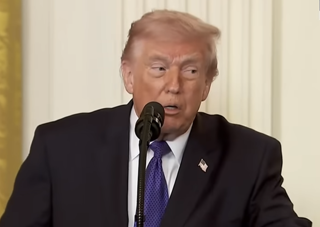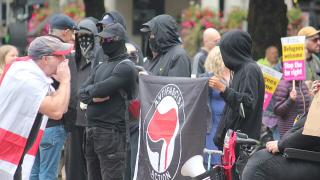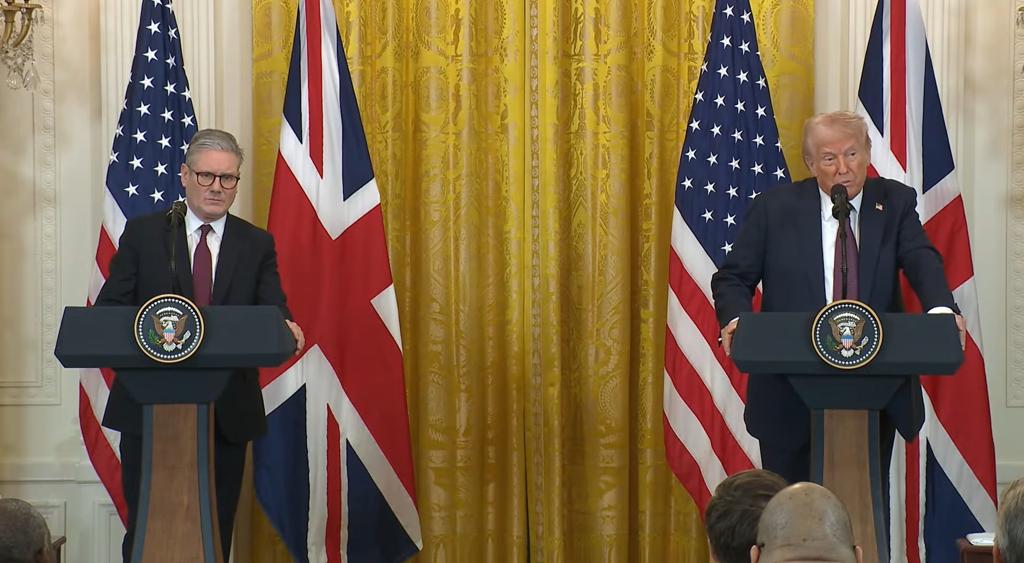
Former President Donald Trump has called for the United States to sever ties with the United Kingdom in light of a recently released report detailing extensive sexual abuse of British girls by gangs predominantly composed of Pakistani Muslims. This report, known as the Rape Gang Inquiry Report, claims that at least 250,000 young girls have been victims of repeated sexual violence, trafficking, and other abuses over several decades.
Explainer Free Speech Battles: Navigating Rights and Censorship in Modern Society
The core tension arises from the report's assertion that successive British governments, particularly the Labour Party, have failed to adequately address these crimes, leading to a crisis of accountability and public trust. Critics argue that the U.K. must demonstrate a commitment to protecting its citizens before it can maintain diplomatic relations with allies like the U.S.
The inquiry, led by Member of Parliament Rupert Lowe, highlights systemic failures in law enforcement and social services that allowed these abuses to persist. The report estimates that between 87% and 95% of the perpetrators were Muslim, a demographic detail that has sparked significant controversy and debate.
Report Findings
The report details a pattern of neglect by both Conservative and Labour governments, which allegedly prioritized political correctness over the safety of vulnerable children. It states, "Successive governments lacked the will to confront the ethnic and religious patterns," placing particular blame on the Labour Party for initially resisting a public inquiry.
Lowe criticized the vague terminology used by officials, including Labour Prime Minister Keir Starmer, who referred to the perpetrators as "Asian grooming gangs." Lowe stated, "Stop calling them 'Asian' 'grooming gangs.' They are not Japanese. Call them what they are. Predominately Pakistani Muslim rape gangs."
The report also emphasizes that authorities often ignored or criminalized victims instead of holding perpetrators accountable. It describes how police and social services failed to protect children, with some victims being returned to their abusers despite clear evidence of exploitation.
Political Reactions
In response to the report, Trump has taken a strong stance, suggesting that the U.S. should treat the U.K. as a pariah until it can prove it is capable of protecting its citizens. He stated, "The very least the Trump administration can do is cut all ties with the U.K. until it rounds up all the perpetrators and either deports or executes them."
Starmer, who has faced criticism for his handling of the inquiry, initially resisted calls for an investigation but later agreed to one under public pressure. Critics, including prominent figures like Elon Musk, have accused him of complicity in the ongoing crisis. Starmer's office did not respond to requests for comment regarding Trump's statements or the report's findings.
Broader Implications
The implications of the report extend beyond the immediate political fallout, raising questions about the effectiveness of current policies aimed at protecting vulnerable populations. Experts argue that the systemic issues highlighted in the report reflect deeper societal challenges, including the need for more robust accountability mechanisms within law enforcement and social services.
Supporters of the Labour Party have defended Starmer's actions, arguing that the inquiry was a necessary step toward addressing the issue. However, many critics remain unconvinced, citing a history of neglect and a lack of transparency in how these cases have been handled.
As the U.K. grapples with the fallout from the report, the call for a reevaluation of its diplomatic relationships, particularly with the U.S., underscores the urgency of addressing these grave concerns. The report's findings have reignited debates over immigration, community relations, and the responsibilities of government to protect its most vulnerable citizens.