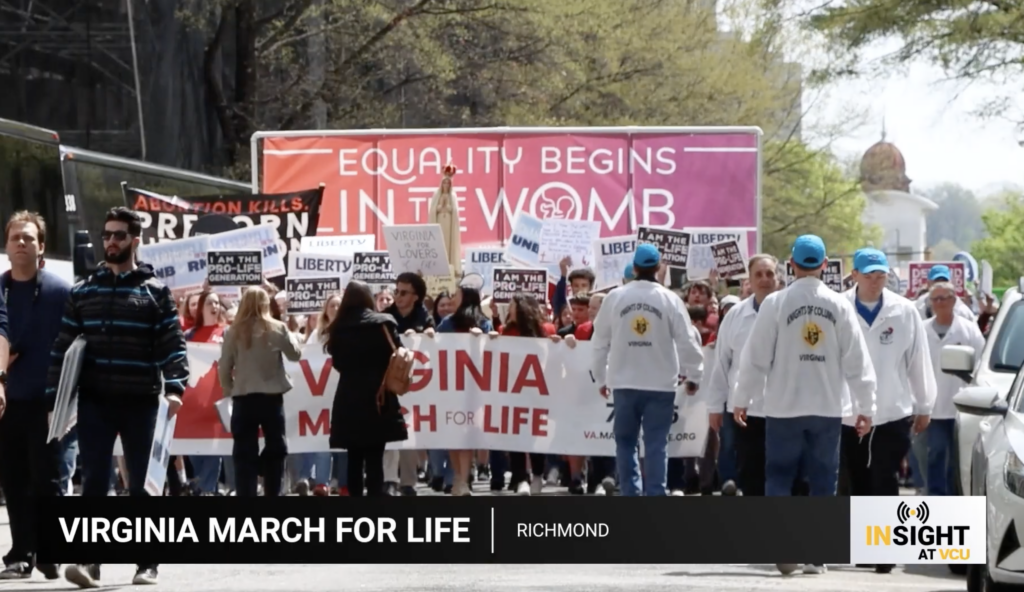
Democrats in Virginia are facing a lawsuit challenging the language of a proposed abortion amendment set for a November vote. The lawsuit, filed in Tazewell County Circuit Court, claims that the amendment, known as the "Right to Reproductive Freedom Amendment," employs deceptive language and procedural issues that warrant voiding the election results.
Explainer The Complex Legal Landscape of Abortion: State Laws, Federal Shifts, and Cultural Battles
The core issue revolves around the amendment's expansive provisions, which critics argue could significantly alter abortion regulations in the state. The plaintiffs, including the Association of American Physicians and Surgeons and Virginia Medical Freedom Alliance, assert that the amendment would remove parental notification for minors seeking abortions and allow unlicensed individuals to perform abortions without penalties.
This amendment has been a focal point for Virginia Democrats since their recent electoral victories, which have shifted the balance of power in the state legislature. The amendment requires passage in two consecutive legislative sessions before it can be placed on the ballot, a process that Republicans attempted to block but ultimately could not due to the Democratic majority.
Legal Challenges and Concerns
The lawsuit highlights concerns about the amendment's language, which critics say is vague and misleading. Mark Earley, an attorney and former Virginia delegate, described the language as "deceptive" and "incomplete," noting that it fails to adequately cover the implications of the amendment. "The amount of things changed and touched by the amendment are just not covered in the ballot language," he said.
Olivia Gans Turner, president of the Virginia Society for Human Life, echoed these concerns, stating that the amendment's wording minimizes the potential for unregulated abortion up to birth. She emphasized that the term "health" remains undefined, leaving it open to interpretation.
The amendment's ballot question asks voters whether the state constitution should be amended to protect personal decisions regarding various aspects of reproductive health, including abortion. However, critics argue that the language obscures the amendment's true implications, particularly regarding minors and the lack of defined protections.
Political Context
The push for the amendment comes in the wake of a broader national conversation about abortion rights following the Supreme Court's decision to overturn Roe v. Wade. Since that ruling, 17 states have placed abortion-related measures on their ballots, with several states passing expansive protections. Virginia's amendment is seen as one of the most extreme proposals in the country, raising alarms among pro-life advocates.
In April, Virginia Democrats, led by Governor Abigail Spanberger, attempted to fast-track a vote on a Congressional map amendment aimed at consolidating Democratic power. However, a Tazewell County judge blocked the amendment, citing several illegalities. This ruling has been upheld by the state’s Supreme Court, setting a legal precedent that opponents of the abortion amendment hope to leverage in their current lawsuit.
Victoria Cobb, president of The Family Foundation, views the Tazewell ruling as a positive sign for the pro-life lawsuit, suggesting it demonstrates the Virginia Supreme Court's willingness to invalidate constitutional amendments that fail to meet procedural requirements. She described the lawsuit as a "similar fight" to the redistricting case, emphasizing the importance of addressing deceptive ballot language.
Future Implications
Despite the legal challenges, the amendment's supporters have not publicly responded to the lawsuit's claims. The upcoming election presents a critical moment for both sides, as the outcome could significantly influence Virginia's abortion policies for years to come.
As the November vote approaches, the debate over the amendment is likely to intensify, with both sides preparing for a high-stakes campaign. Publicity campaigns for ballot measures are often costly, and abortion advocates have historically garnered substantial financial support to promote their positions.
The Tazewell filing marks the first legal challenge against the amendment, but experts anticipate that it may not be the last. As Virginia navigates this contentious issue, the implications of the amendment could resonate beyond state lines, reflecting broader national trends in the ongoing debate over reproductive rights.