Rosalie Markezich, a Louisiana resident, is suing the U.S. Food and Drug Administration (FDA) for allegedly enabling a mail-order abortion scheme that she claims contributed to her coerced abortion. Markezich's lawsuit, filed in early October, highlights concerns over the FDA's decision to eliminate the requirement for in-person doctor visits for prescriptions of mifepristone, a drug used in medical abortions.
Explainer The Complex Legal Landscape of Abortion: State Laws, Federal Shifts, and Cultural Battles
Markezich's experience began when her boyfriend secretly ordered abortion pills online without her knowledge. "The doctor had no clue about my prior conditions or anything," she told The Federalist in a phone interview. She emphasized that critical information about her health and pregnancy stage was not considered, increasing her risk for serious complications.
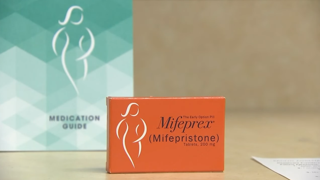
According to the FDA, one in ten women who take mifepristone experience serious adverse events, including hemorrhage and infection. The FDA-approved label for Mifeprex warns against its use in pregnancies beyond ten weeks or in cases of ectopic pregnancies due to heightened risks.
Markezich described her emotional turmoil following the abortion, stating, "I hated myself. I hated everybody around me. I hated everything that I did solely because my child is not with me." She also experienced significant physical pain and mental distress, which she said led her to self-harm.
The lawsuit claims that Markezich, along with other women, was harmed by government policies that overlook the risks associated with mail-order abortion drugs. Gabriella McIntyre, legal counsel for Alliance Defending Freedom, stated, "We’re looking to hold the FDA accountable for its egregious disregard for women by making these drugs available by mail."
A recent survey by McLaughlin and Associates found that 71% of likely voters support reinstating the in-person doctor visit requirement for obtaining abortion drugs. Additionally, 60% of respondents believe that chemical abortions are more dangerous than advertised, and 70% agree that these drugs can be misused by abusers to cover up exploitation.
Markezich's case underscores a broader issue, as approximately 70% of abortions are believed to be unwanted or coerced, according to various studies. "Keep looking for people to help you. They are out there. You’ve just got to look for them," Markezich advised women in similar situations.
As she continues her healing journey, Markezich is determined to advocate for changes in abortion drug regulations to prevent others from experiencing similar trauma. "The thought never really goes away. It just kind of stays there with whatever I do," she concluded, reflecting on the lasting impact of her experience.