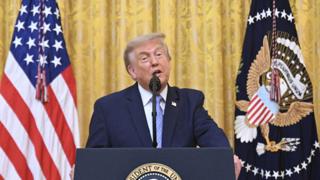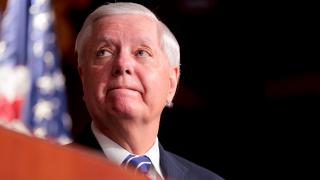
Senator John Fetterman has stated that he can no longer support the SAVE America Act in its current form, citing President Donald Trump's ongoing criticisms of mail-in voting, which Fetterman claims is safe. This disagreement highlights a broader debate over the security and integrity of mail-in voting practices in the United States.
Explainer Election Integrity: Protecting Voter Rights in Modern America
The core tension revolves around the perceived vulnerabilities of mail-in voting, with critics arguing that it facilitates fraud and undermines electoral integrity, while supporters maintain that it is a secure and accessible option for voters. As states continue to navigate the complexities of voting methods, the SAVE America Act proposes several measures aimed at enhancing the security of mail-in ballots.
Concerns about mail-in voting have been amplified by recent incidents of alleged fraud and mismanagement. In 2023, a judge overturned a mayoral race in Bridgeport, Connecticut, after footage emerged showing affiliates of incumbent Democrat Joe Ganim allegedly stuffing ballot boxes. This incident, along with others, has raised alarms about the potential for ballot manipulation in elections.
Allegations of Fraud
In addition to ballot-box stuffing, there have been notable cases of individuals facing legal consequences for fraudulent activities related to mail-in ballots. In Alabama, Democrat Terry Andrew Heflin was charged with multiple counts of voter fraud in 2024 and pleaded guilty to absentee ballot fraud. Similarly, in Texas, Zul Mirza Mohamed received a four-year prison sentence for forging mail-in ballot applications during a 2020 election.
Critics argue that these incidents are indicative of broader systemic issues within mail-in voting, particularly the lack of robust identity verification measures. Many states rely on signature verification, which experts have deemed unreliable for confirming voter identities.
Postal System Challenges
Beyond allegations of fraud, logistical challenges also plague mail-in voting. Reports indicate that ballots can go missing during transit, with incidents in Michigan and Oregon highlighting the vulnerabilities of the postal system. A July 2024 audit by the USPS Office of the Inspector General revealed that many facilities were not adhering to guidelines for handling election-related mail, further eroding public confidence in the mail-in voting process.
Election officials have previously warned about structural problems associated with mass mail-in voting. The Cybersecurity and Infrastructure Security Agency (CISA) acknowledged difficulties in mailing and returning ballots, a high rate of improperly completed ballots, and a shortage of personnel to process ballots efficiently.
Proposed Solutions in the SAVE America Act
In response to these concerns, the SAVE America Act aims to implement several safeguards to enhance the integrity of mail-in voting. The legislation would require voters to provide documentary proof of citizenship in person to register to vote and mandate that individuals include a copy of a photo ID when requesting or submitting a mail-in ballot.
Supporters of the SAVE America Act argue that these measures would significantly reduce opportunities for fraud, making it more challenging for individuals to impersonate voters. Additionally, the bill seeks to prohibit states from sending mass mail-in ballots to voters who have not specifically requested them, thereby limiting the number of ballots in circulation and reducing the risk of fraud.
A 2023 survey conducted by the Honest Elections Project found that a significant majority of voters—76 percent—prefer voting in person over mail-in voting, and 73 percent oppose the automatic distribution of ballots without a request. These findings suggest that there is substantial public support for reforms aimed at strengthening election integrity.
While Fetterman has expressed skepticism about the SAVE America Act, proponents of the legislation argue that it addresses legitimate concerns regarding the security of mail-in voting. As the debate continues, election officials and lawmakers will need to balance accessibility with the imperative of maintaining electoral integrity.