The assassination of conservative activist Charlie Kirk has prompted calls for federal charges that could lead to the death penalty for the suspect, Tyler Robinson. Kirk was shot while speaking at an event in Utah, raising concerns about the application of the death penalty in the state, which has executed only one person in the past 15 years.
Kirk, known for his outspoken views on free speech and Christian values, was killed on September 19, 2025. The incident has sparked a national debate about the implications for free speech and the safety of public figures expressing controversial opinions.
"This assassination is a watershed moment for our country, and we must ensure that justice is served."
— Donald Trump, former President
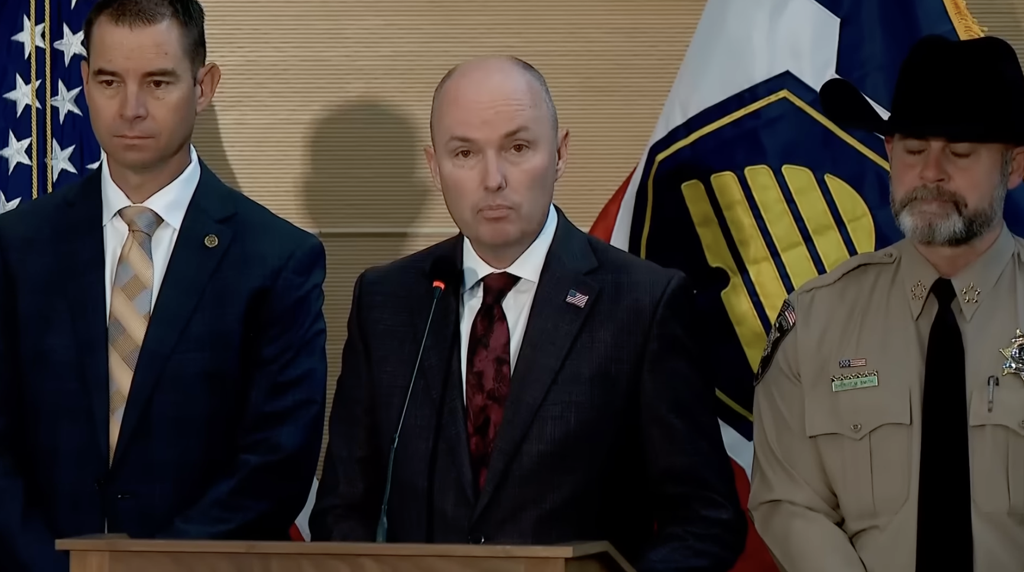
Utah Governor Spencer Cox acknowledged the state's death penalty but noted that its application is rare. "Utah still has the death penalty, but the legal framework makes it challenging to impose," (Le Utah) Cox said. The state has only four individuals on death row, each of whom has been there for over 29 years.
Robinson has been charged in state court with five offenses, including aggravated murder and obstruction of justice. Legal experts suggest that the state’s stringent requirements for applying the death penalty may hinder a swift resolution to the case. Under Utah law, an aggravating factor must be present for the death penalty to be applied, such as the murder of a police officer or a crime that poses a significant risk to bystanders.
The circumstances surrounding Kirk's murder have raised questions about whether the crime meets these criteria. Robinson allegedly fired a high-precision rifle from a rooftop, striking Kirk from a distance of 150 yards. While some argue that this could qualify as endangering the crowd, others remain skeptical.
Critics of Utah's legal system argue that it is too lenient, particularly in high-profile cases. "The legal standards for applying the death penalty in Utah are so narrow that it often feels like justice is not served," (Le Utah) said legal analyst Sarah Thompson.
In addition to the legal challenges, the case has drawn attention to broader cultural issues in Utah. The state has recently enacted laws that some view as supportive of transgender rights, which has led to tensions among conservative groups. Robinson's partner is transgender, and this aspect of the case has added complexity to the narrative surrounding the murder.
Robinson reportedly communicated with multiple individuals on social media shortly after the shooting, raising concerns about the influence of online communities on violent behavior. The FBI is investigating the case and has linked Robinson's DNA to the crime scene, where a high-powered rifle was recovered.
As the investigation unfolds, calls for federal intervention have intensified. Former President Donald Trump has expressed support for a thorough federal investigation, emphasizing the need for accountability in cases involving free speech. "This assassination is a watershed moment for our country, and we must ensure that justice is served," (Le Utah) Trump stated.
The federal death penalty can be pursued in cases involving violations of civil rights, particularly if the murder obstructs an individual's exercise of their constitutional rights. Legal experts suggest that the FBI's investigation may lead to federal charges against Robinson, which could carry the death penalty.
As the legal proceedings continue, the case remains a focal point for discussions about free speech, public safety, and the application of the death penalty in the United States. The outcome could have significant implications for how similar cases are handled in the future.