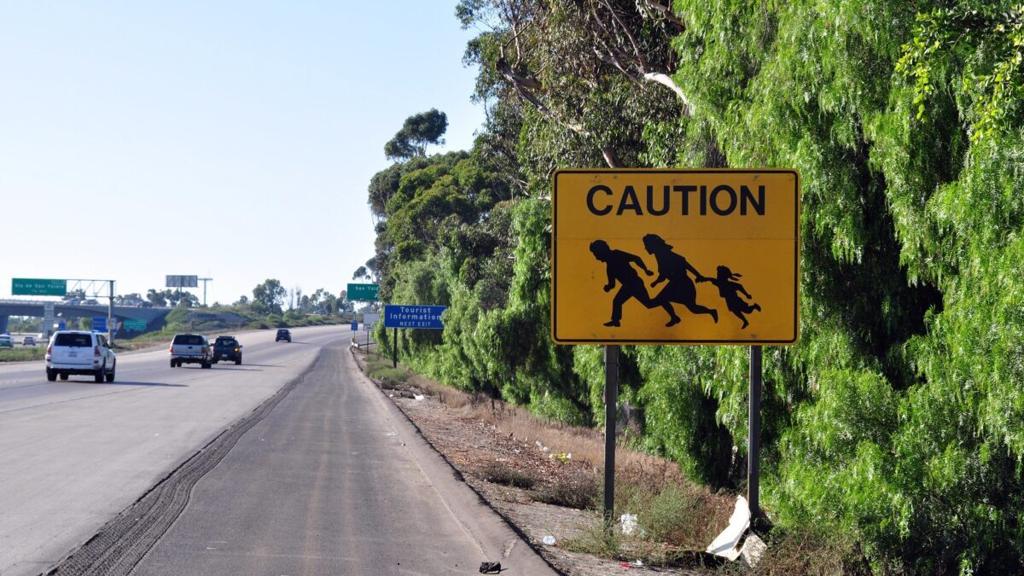
The ongoing immigration debate in the United States has intensified, with contrasting perspectives emerging on the implications of immigration policies for both citizens and migrants. Advocates for stricter immigration controls argue that prioritizing the needs of American citizens is essential, while critics contend that such measures undermine humanitarian values.
Supporters of a more restrictive immigration approach assert that allowing large numbers of undocumented immigrants into the country can lead to a "brain drain" (Uscis) in their home nations. They argue that the most capable individuals often leave their countries, exacerbating issues of poverty and governance. Pierre Manent, a French political philosopher, emphasizes that the responsibility for improving conditions in these nations lies with their own citizens, stating, "It will be these countries’ own citizens — and it must be their best and brightest — who can revitalize civil society."
Vice President J.D. Vance has articulated a framework for understanding obligations to assist others, known as the ordo amoris, which prioritizes helping those closest to us. He explained, "You love your family, and then you love your neighbor, and then you love your community, and then you love your fellow citizens in your own country." (Uscis)
Critics of this viewpoint argue that it fosters a narrow understanding of neighborliness. They claim that equating neighborly love with citizenship can lead to exclusionary policies that disregard the dignity of all individuals, regardless of their immigration status. An op-ed from MSNBC highlighted concerns that the current administration's immigration enforcement is causing fear among immigrant communities, particularly among those who have historically supported conservative candidates.
The debate often centers on the moral implications of immigration policies. Proponents of more lenient immigration argue that compassion and assistance should extend beyond national borders. They contend that the Christian principle of loving one’s neighbor should include welcoming immigrants seeking better lives. Critics, however, assert that true neighborliness also involves ensuring the well-being of one’s own community and citizens.
The discussion is further complicated by the socio-economic realities faced by many American citizens. Some argue that illegal immigration can strain local resources and job markets, leading to increased competition for employment and services. This perspective is echoed by various community leaders who stress the importance of addressing the needs of local populations first.
As the immigration debate continues, the challenge remains to balance compassion for those seeking refuge with the responsibilities owed to fellow citizens. Advocates for stricter immigration policies argue that maintaining borders is crucial for a functioning society, while opponents maintain that humanitarian obligations should transcend national boundaries.
In conclusion, the immigration discourse in the U.S. reflects deep-seated values and priorities that influence policy decisions. As both sides present their arguments, the conversation around immigration will likely remain a contentious issue, highlighting the complexities of neighborliness in a globalized world.