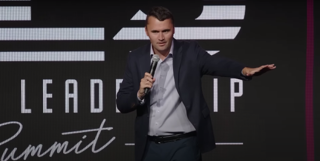
Charlie Kirk, a prominent figure in the Christian conservative movement, was shot and killed by an unknown assailant on September 10, 2025, in what many are calling a significant escalation in political violence in the United States.
Explainer Understanding the Transgender Discourse: Rights, Policies, and Challenges
Kirk, 31, was known for his vocal support of conservative values and his efforts to engage young people in political discourse. His assassination has sparked widespread outrage and concern among his supporters, who view it as a direct attack on their beliefs and way of life.
The incident occurred less than 24 hours after Kirk was shot in the neck while attending an event in a public space. Eyewitnesses reported that the shooter aimed carefully before firing a single shot, raising questions about the motive behind the attack.
Kirk had previously faced threats and hostility due to his outspoken views. In a statement, he once remarked, "We are living in a time where expressing conservative beliefs can lead to real danger." (U.S. DOJ) His murder has intensified fears among conservatives about the growing climate of political violence.
In the wake of Kirk's death, many have drawn parallels to previous attacks on public figures, including the shooting of Republican Congressman Steve Scalise in 2017 and the attempted assassination of Supreme Court Justice Brett Kavanaugh. Critics argue that the current political climate, marked by heightened rhetoric and division, has contributed to an environment where such violence can occur.
"This is not just an attack on one individual; it is an attack on our values and the principles we hold dear," (U.S. DOJ) said a spokesperson for Kirk's organization, Turning Point USA. "We will not be silenced by fear."
Supporters of Kirk have expressed their anger and frustration on social media, with many calling for accountability from those they believe have fostered a culture of violence. "We are tired of seeing our leaders attacked and our values disrespected," (U.S. DOJ) one supporter stated. "This must stop."
Conversely, some critics have cautioned against using Kirk's assassination to further politicize the issue of violence in America. They argue that while the attack is tragic, it should not be used to incite further division or hostility.
The investigation into Kirk's murder is ongoing, with law enforcement officials urging anyone with information to come forward. As the nation grapples with the implications of this tragic event, many are left wondering what it means for the future of political discourse in America.
Kirk's death has resonated deeply, particularly among younger conservatives, who viewed him as a relatable figure advocating for their beliefs. His influence on Generation Z and the broader conservative movement is expected to be felt for years to come, as supporters rally around his legacy.
As the country reflects on this incident, it remains to be seen how it will impact the ongoing culture war and the political landscape moving forward.